
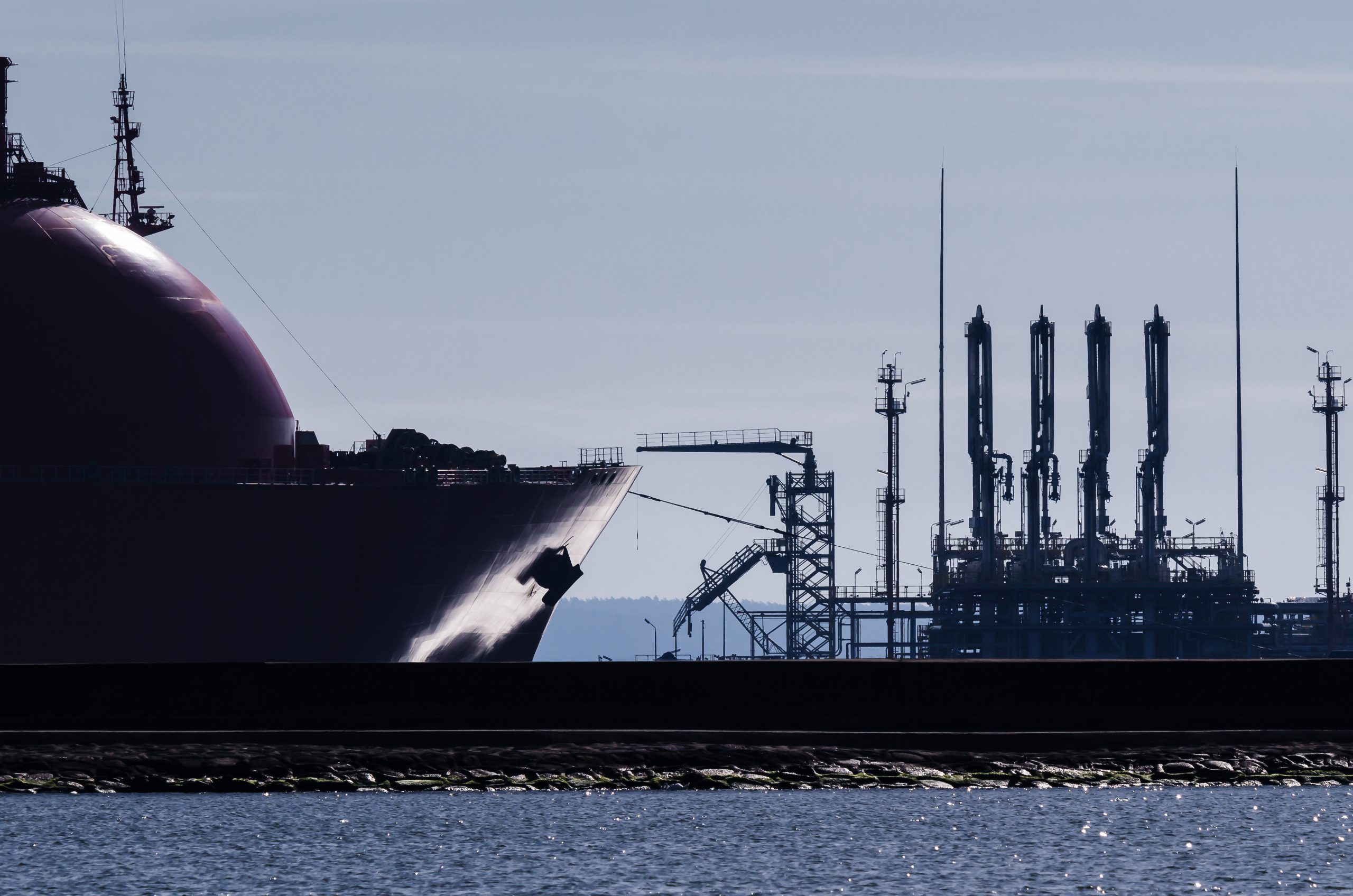
Iranian missile attacks in March damaged QatarEnergy’s LNG facilities, taking out 17% of the country’s export capacity and causing an estimated $20 billion in annual revenue losses, the company said. Seven months later, Qatar was moving “very few” cargoes through the Strait of Hormuz, where traffic remained largely blocked. QatarEnergy has declared force majeure on some long-term contracts for as long as five years and extended the measure on deliveries to Asia and Europe through the end of December 2026.
QatarEnergy has signed two long-term deals with Cheniere to buy up to 4 million tons per annum from its Sabine Pass and Corpus Christi export facilities. Deliveries are expected to begin in 2031 and continue through 2054. A separate agreement with Woodside Energy covers 3 million tons per annum from its Louisiana LNG project, now under construction. Free-on-board deliveries are due to start in 2030 for 20 years.
Al-Kaabi said LNG cannot be rerouted by pipeline in the way oil can. Building pipelines to transport gas for liquefaction at receiving terminals would duplicate facilities planned for Qatar’s North Field expansion and, he said, make no economic sense. Qatar is ready to resume normal operations within weeks of the strait reopening, he said.
For now, Al-Kaabi said, only a few ships are getting through, with some shipments traveling via Iran to Pakistan and others using the U.S. route to other destinations. QatarEnergy said its U.S. purchases, alongside its Golden Pass LNG project, support long-term growth and diversification. The Cheniere deliveries are scheduled to begin in 2031, while Woodside’s are due from 2030.
Comments (0)
No comments yet. Be the first!