
The TECTRANS II platform addresses the primary hurdles of commercial electrification: high R&D costs and inconsistent infrastructure. By standardizing physical dimensions and electrical interfaces, the system allows original equipment manufacturers to shorten vehicle development cycles by 50% and cut research expenses by up to 70%. The architecture supports both e-axle and central-drive layouts, with the ability to switch between charging and battery-swapping modes as operational needs dictate.
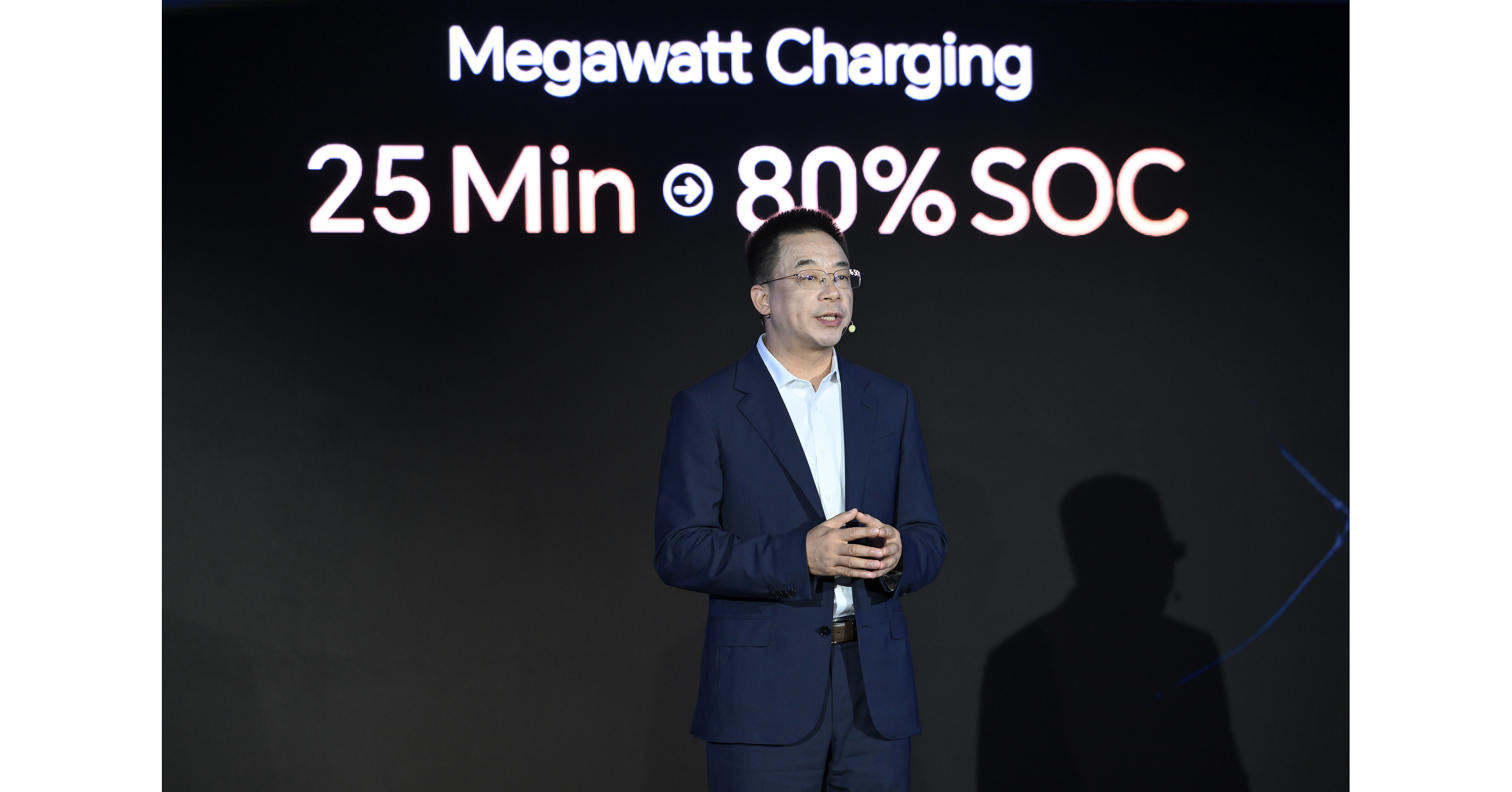
Performance metrics for the new platform show a gravimetric energy density of 170 Wh/kg, which CATL claims is 13% above current industry standards, allowing for an additional 0.6 tonnes of payload. For long-haul logistics, the system supports megawatt-level charging capable of reaching an 80% state-of-charge in 25 minutes. Reliability is a core focus, with the battery units engineered for a 12-year, 1.5-million-kilometer lifespan. To ensure safety, the packs feature a hot-formed steel cover and an extruded-aluminum enclosure capable of resisting lateral crush forces up to 250 kN.
Alongside the hardware launch, CATL deepened its collaboration with DHL Group by signing a Memorandum of Understanding to establish Green Freight Corridors across Europe. This partnership follows their initial 2024 agreement and focuses on deploying purpose-built electric vehicles within DHL’s existing logistics network. According to Zhu Lingbo, CTO of CATL Global Business Unit, these efforts represent a long-term commitment to stabilizing the transition to electric freight over the coming decade.
Comments (0)
No comments yet. Be the first!