
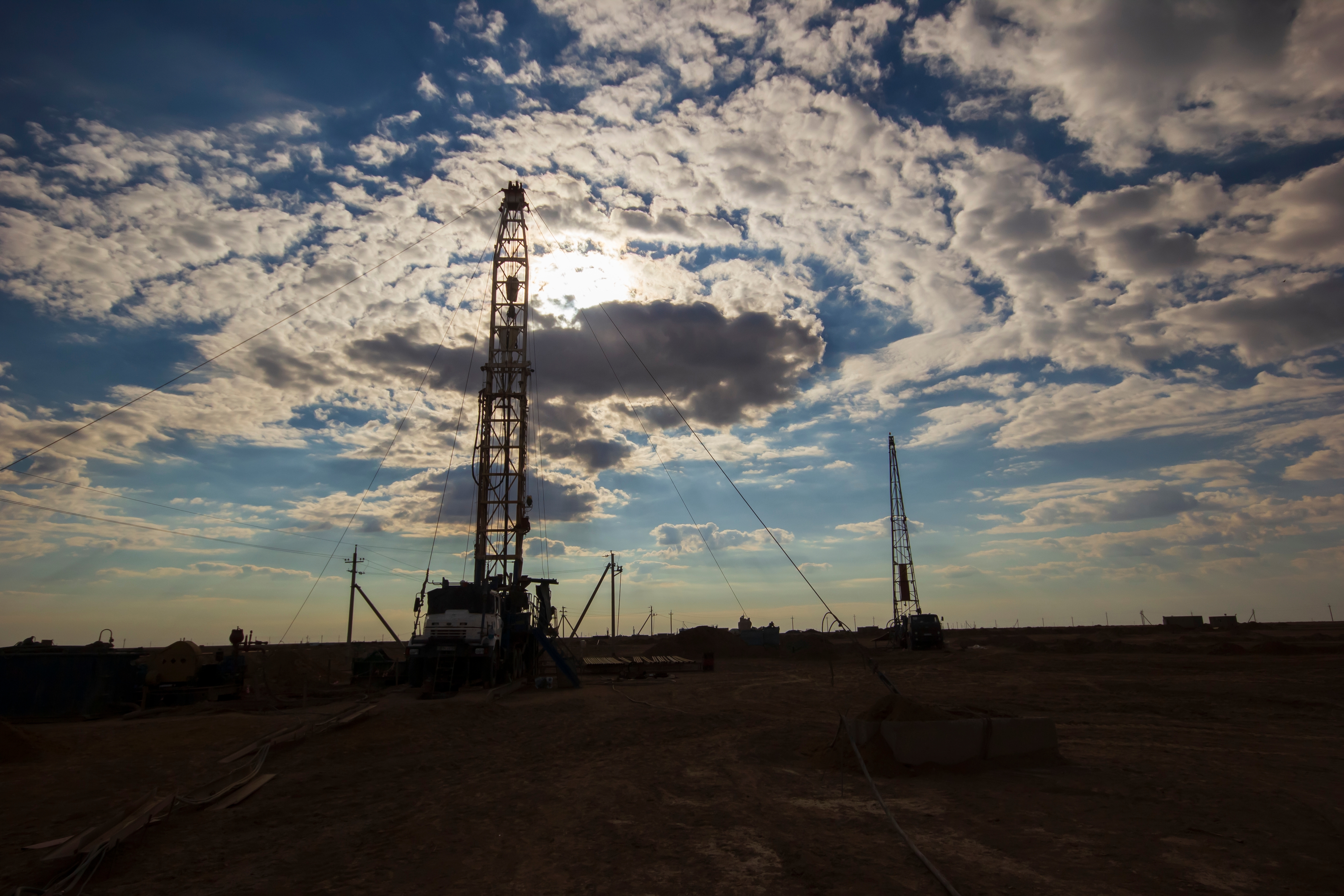
The summer program, which grew from a planned 8,000 meters to over 10,000 meters, targeted several key faults within the Hurricane deposit’s southern structure. Of the 26 holes drilled, 18 returned radioactive intervals surpassing the threshold of 350 counts per second (cps). Notably, 13 of those holes hit 1,000 cps or higher, with three specific locations recording over 35,000 cps—the highest intensity yet observed in this trend.
Drill hole LE26-250, situated 75 meters east of the existing Hurricane footprint, yielded 43,160 cps over 0.5 meters, while LE26-273, drilled just west of previous mineralization, hit 36,292 cps over a 1.0-meter interval. These results, alongside data from the L fault zone, suggest that the geological potential of the area remains open. The company is currently integrating these findings with geochemical assays to refine targets for the 2027 season. Despite a temporary mid-summer pause caused by local wildfire activity, the project continues to benefit from its proximity to established infrastructure, including the McClean Lake mill located 40 kilometers away.
Comments (0)
No comments yet. Be the first!