
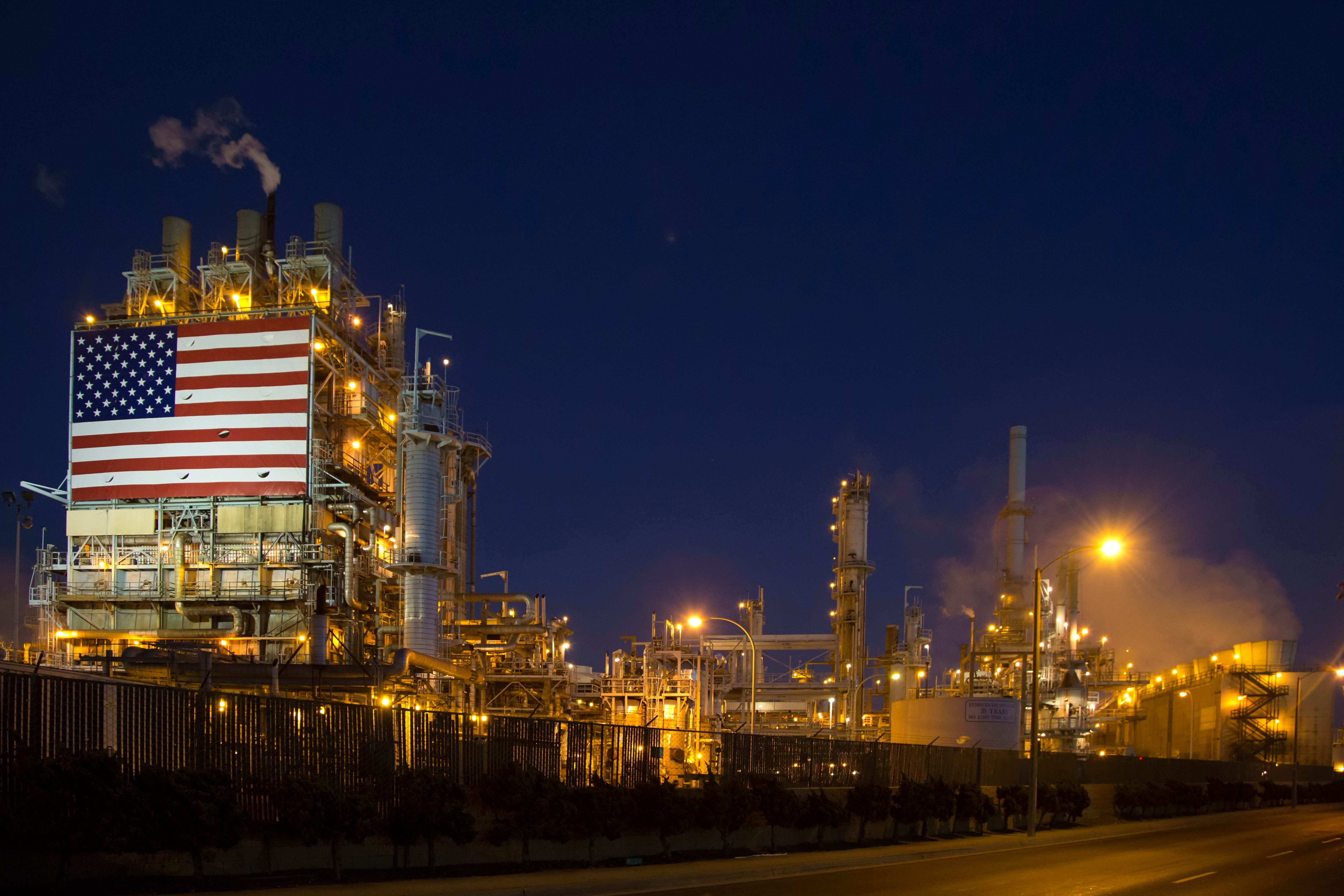
The company’s underlying replacement cost profit jumped significantly from the $7.3 billion predicted by analysts. This performance was anchored by an average refining indicator margin that climbed to $46.7 per barrel, a sharp increase from the $15.8 per barrel recorded in the same period last year. With global supply constraints tightening, the company expects these elevated margins to persist through the final quarter of the year.
Financial discipline defined the firm’s strategy this cycle. Operating cash flow doubled to $14.8 billion, providing the liquidity needed to aggressively deleverage. Net debt plummeted by nearly $10 billion to reach $13.9 billion by the end of September. Unlike competitors Shell and TotalEnergies, which have expanded shareholder payouts, BP has prioritized balance sheet repair, suspending share buybacks to meet long-term financial targets set for 2027. CEO Meg O’Neill confirmed the company has successfully hit its primary debt and structural cost reduction milestones.
Comments (0)
No comments yet. Be the first!