
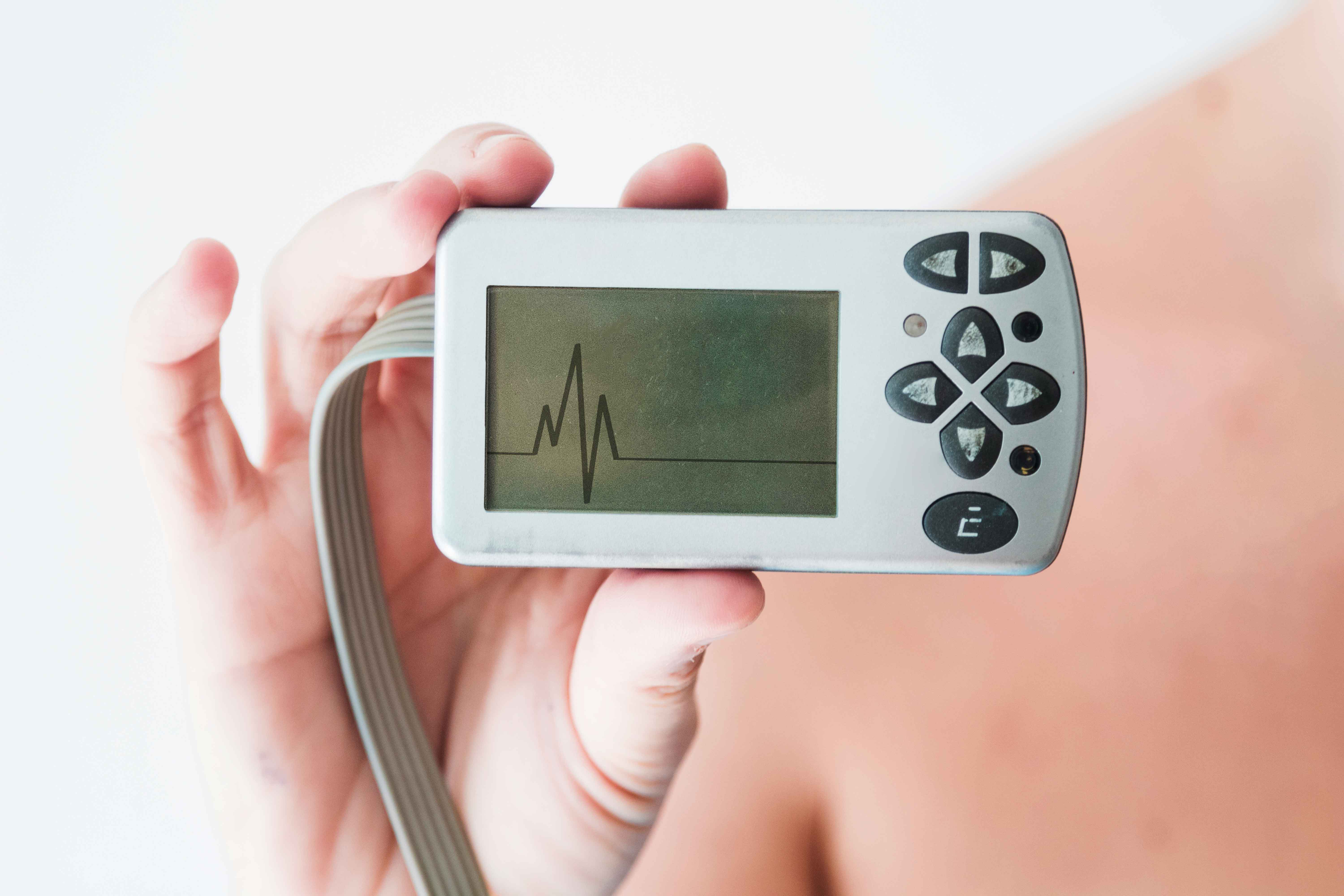
The shift toward decentralized care appears to be gaining momentum among those managing heart health. Data from 150 U.S. patients shows that 68% would opt for a hybrid or fully remote rehabilitation program if given the choice. This preference for convenience, however, is heavily tempered by accessibility. Fifty-eight percent of respondents ranked insurance reimbursement as their primary deciding factor for participation, with 60% flatly stating they would refuse to cover costs themselves.
Beyond financial hurdles, the success of these programs rests on the seamless integration of technology. Patients are increasingly comfortable with wearable sensors—78% expressed readiness to wear them—but they demand that these devices function invisibly. The most requested feature, cited by 63% of respondents, is the automatic transmission of health data to providers, eliminating the need for manual logs. Sam Liu, vice president at Vivalink, noted that the challenge lies in balancing this unobtrusive monitoring with the clinical oversight patients still crave. While the technical and clinical barriers are shrinking, the industry must now align reimbursement models to match the clear patient demand for at-home recovery.
Comments (0)
No comments yet. Be the first!