
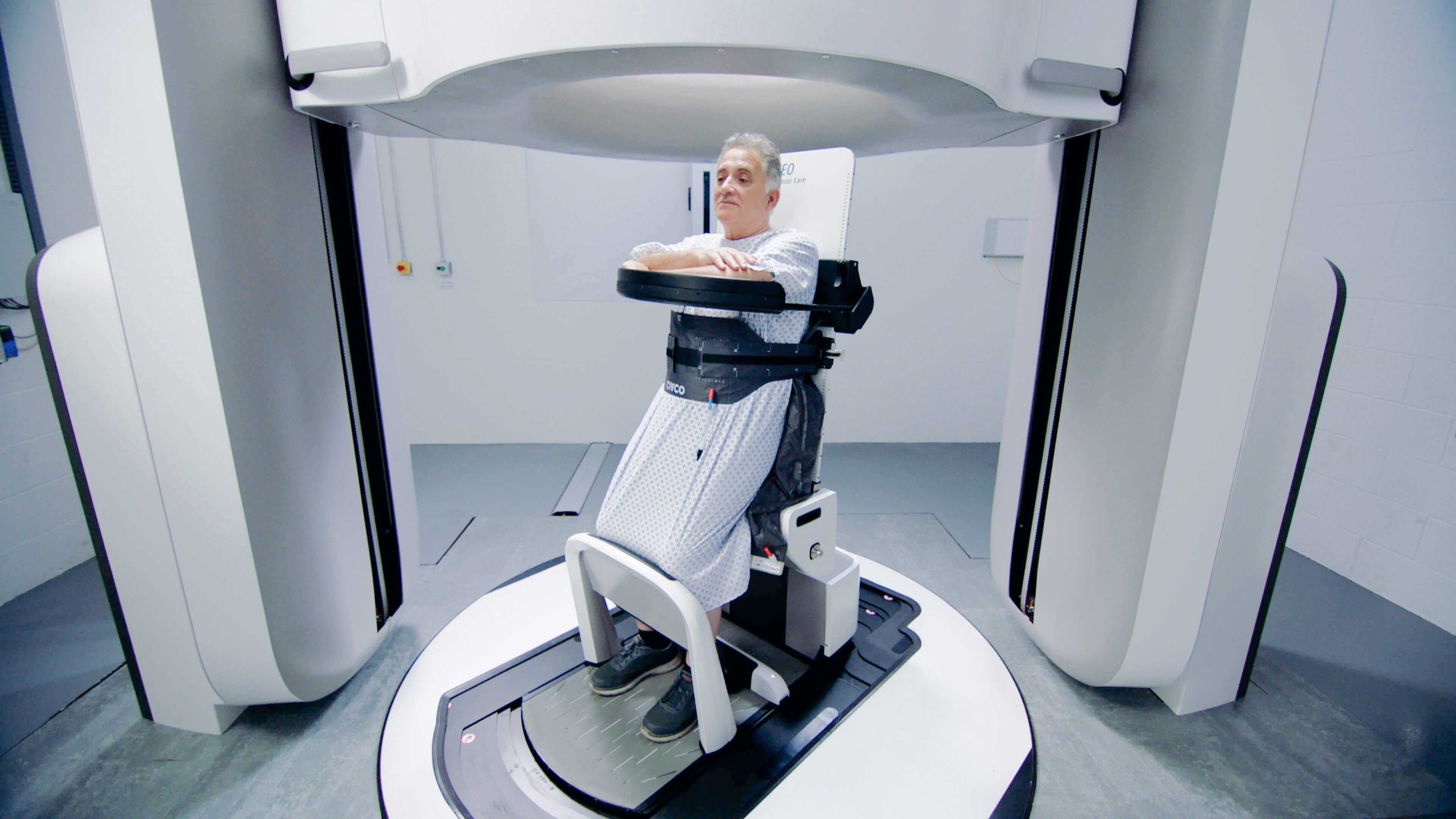
The company’s Marie® platform replaces the standard practice of rotating a heavy radiation gantry around a reclining patient. Instead, the beam remains fixed while the child sits or stands, allowing them to remain in a more natural, upright posture. This shift is designed to encourage active patient participation, potentially lowering fear levels by providing children with a greater sense of agency during their treatment.
To support this transition, Leo Cancer Care has integrated several psychological aids. Children can now explore the treatment room via an augmented-reality app guided by a mascot, Leo the Lion, or engage with the AVATAR system—a radiolucent screen that provides immersive distractions during the procedure. These tools aim to minimize the need for sedation, which has historically been a clinical necessity for many young patients.
While the technology shows clinical promise, experts remain focused on long-term outcomes. A recent report published in Technical Innovations & Patient Support in Radiation Oncology highlights that while upright positioning significantly reduces patient distress, the evidence base for pediatric-specific applications is still emerging. An international task force is currently formalizing a research roadmap to ensure that these standardized workflows prioritize safety as the technology expands beyond initial pilot programs.
Comments (0)
No comments yet. Be the first!