
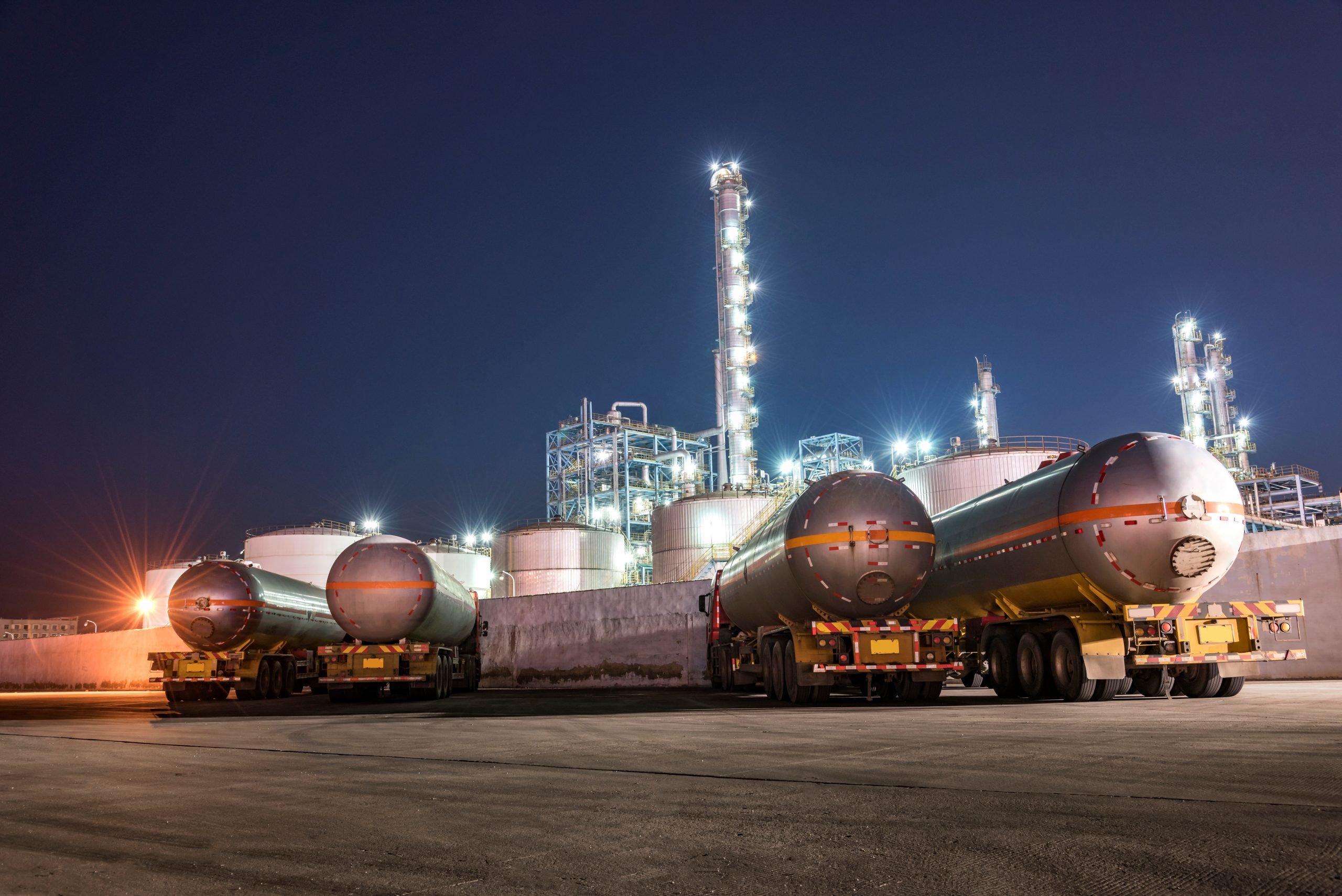
The retreat has come as Middle Eastern oil flows recover toward pre-war levels and traders see prospects for de-escalation in both the Middle East and the Russia-Ukraine war. Yet there are no signs of a breakthrough in either conflict. U.S.-mediated talks between Russia and Ukraine are underway, while messages between Washington and Tehran have been conveyed via Qatar.
A prolonged standoff without a deal or further escalation could leave a high floor under prices, the article says. Shipping risks and insurance premiums remain elevated, adding to the cost of crude leaving the Gulf. Middle Eastern benchmark prices have weakened for weeks, pointing to a possible build-up in supply as exports rebound and high prices erode demand. The International Energy Agency said the cost of shipping a barrel from the Middle East Gulf to Asia on a large tanker exceeded $37 by mid-October, more than five times the pre-war level.
The recent pause in high-intensity strikes has not made transit safe. Attacks on vessels intensified in October, with 37 reported in and near the Strait of Hormuz—the highest monthly total since the war began on February 28—according to Washington Institute for Near East Policy data cited by Reuters. At least 10 more ships were hit in the first 10 days of November. Gulf producers are also using tankers for inefficient shuttle trips and ship-to-ship transfers in the Gulf of Oman, tying up fleet capacity.
President Donald Trump said earlier this week that further strikes on Iran were not necessary at present, but added that the U.S. remained “locked and loaded.” On Thursday, he wrote on Truth Social that Washington did not need a deal because it already had Iran’s money and “we’ve got their Strait.” Brent rose more than 1% to around $94 after the post, CNBC reported.
Iranian Parliament Speaker and chief negotiator Mohammad Bagher Ghalibaf told Al Jazeera that Tehran was awaiting a U.S. response to seven conditions for starting peace talks. They include lifting the U.S. blockade in the Gulf of Oman, ending fighting on all fronts and releasing frozen Iranian funds. Ghalibaf also said navigation through Hormuz would never return to pre-war conditions, arguing that rules in the strait are governed by the laws of its two bordering states.
Producers are developing alternatives, including Saudi shipments through the Red Sea and UAE pipelines to Fujairah. But the Saudi route remains vulnerable to Houthi attacks, while strikes could also threaten the East-West pipeline. Tanker earnings on the Baltic Exchange’s Gulf-to-China route were about $1.29 million a day on November 6, down 4.8% for the week, according to Signal Ocean data reported by Cyprus Shipping News. Signal Group analyst Maria Bertzeletou said security, insurance costs and shipowners’ willingness to trade continue to shape vessel availability, adding that more transits alone would not prove normal chartering conditions had returned.
Comments (0)
No comments yet. Be the first!