
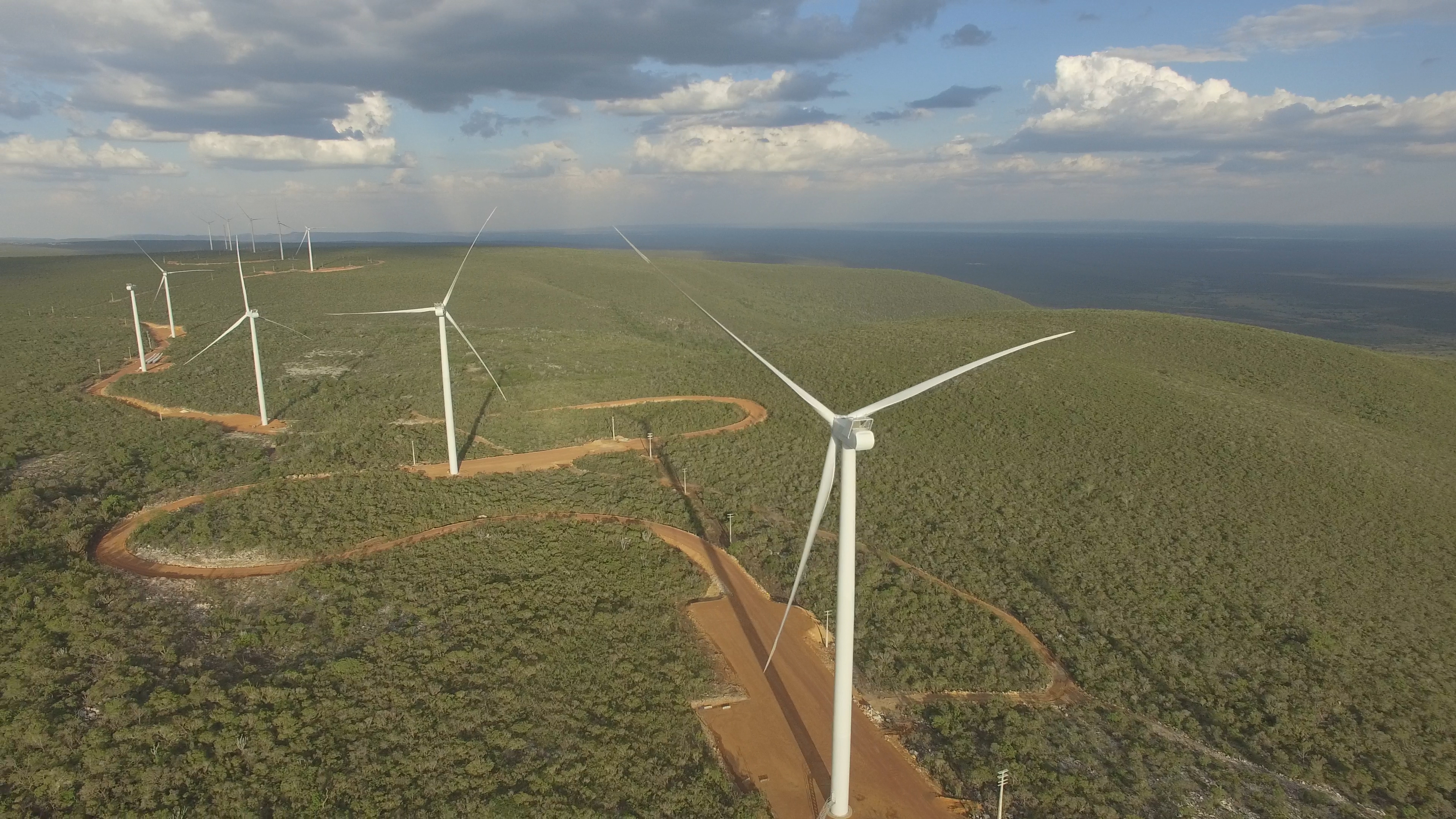
The country added 4.85 GW of new capacity in 2026 alone, with solar power driving the bulk of this growth at 3.5 GW. According to the power sector watchdog Aneel, August saw the addition of 20 new facilities, including 15 solar plants and two wind parks. This transition is supported by significant international backing, including a $500 million World Bank loan aimed at developing untapped resources in the country’s northeast and major infrastructure investments from China’s State Grid Corporation.
Despite this green momentum, the political landscape remains split. The Brazilian Business Council for Sustainable Development (CEBDS) has issued a formal call to candidates, urging them to prioritize long-term governance over mere commodity exports. While President Luiz Inácio Lula da Silva has proposed an Energy Transition Fund fueled by oil and gas revenues, his challenger, Senator Flávio Bolsonaro, favors aggressive expansion of fossil fuel subsidies. Regardless of the electoral outcome, the structural reliance on both renewables and hydrocarbons appears set to define Brazil’s energy policy for the foreseeable future.
Comments (0)
No comments yet. Be the first!