
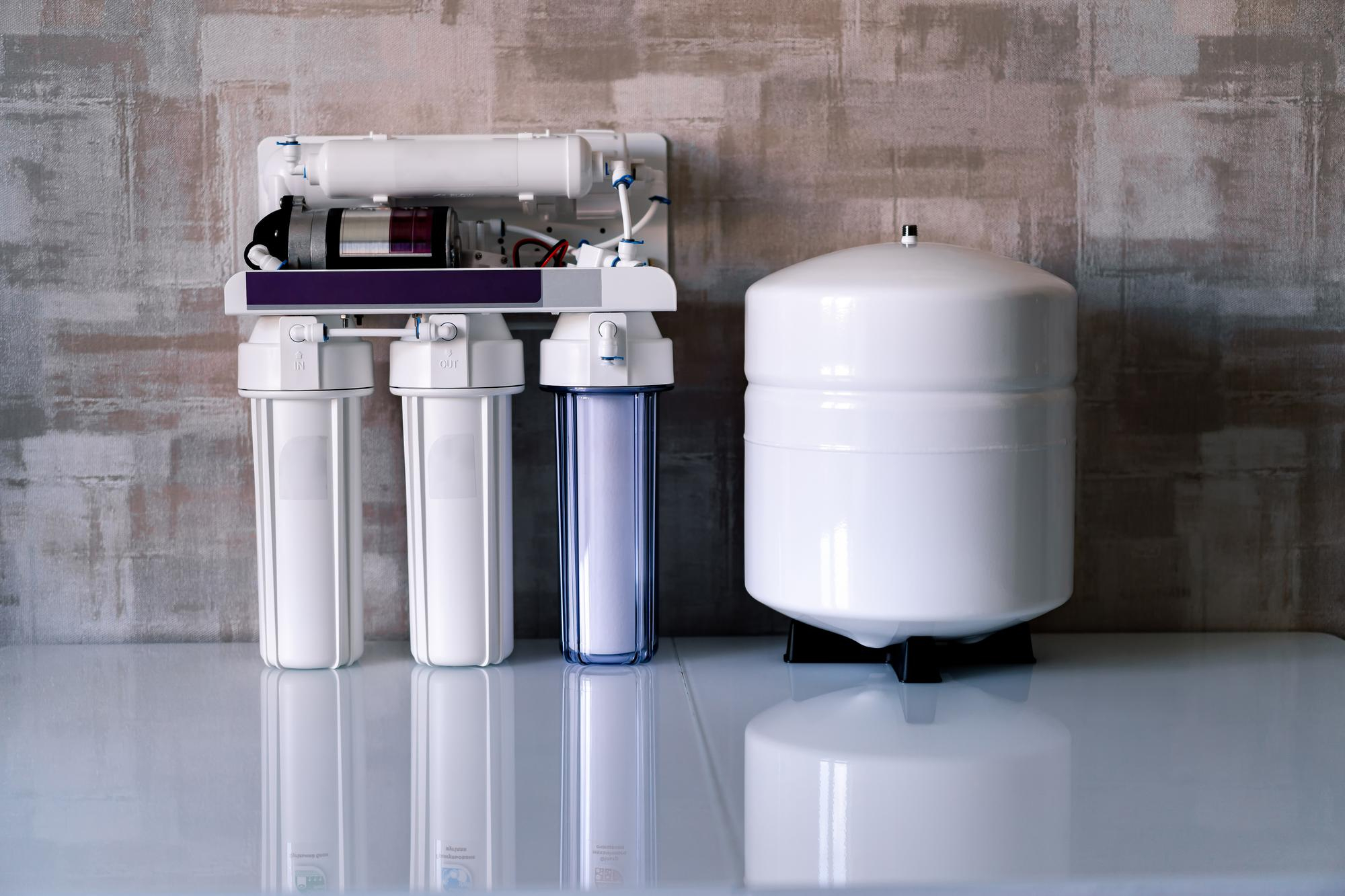
While some households struggle with cloudy sediment, iron, or sulfur odors, others face the silent impact of hard water. Water filters act as the primary defense against physical contaminants, trapping rust and particulates to improve water clarity and protect plumbing from corrosion. Filters specifically targeting iron or sulfur can also neutralize the unpleasant smells and discoloration that often plague private wells.
Water softeners address a different challenge: the accumulation of calcium and magnesium. These minerals create scale deposits that reduce the efficiency of water heaters and appliances, often manifesting as stubborn spots on dishes or buildup on fixtures. By exchanging these minerals for sodium or potassium, a softener prevents long-term damage to household infrastructure.
In many instances, the solution requires a dual approach. If a well contains both high sediment levels and significant hardness, installing a combined system ensures all contaminants are addressed simultaneously. A certified water test remains the only reliable method to gauge these factors, including pH balance and mineral content. Because groundwater quality shifts due to seasonal changes or environmental fluctuations, periodic re-testing helps homeowners maintain an efficient supply and adapt their treatment strategy as their water profile changes.
Comments (0)
No comments yet. Be the first!