
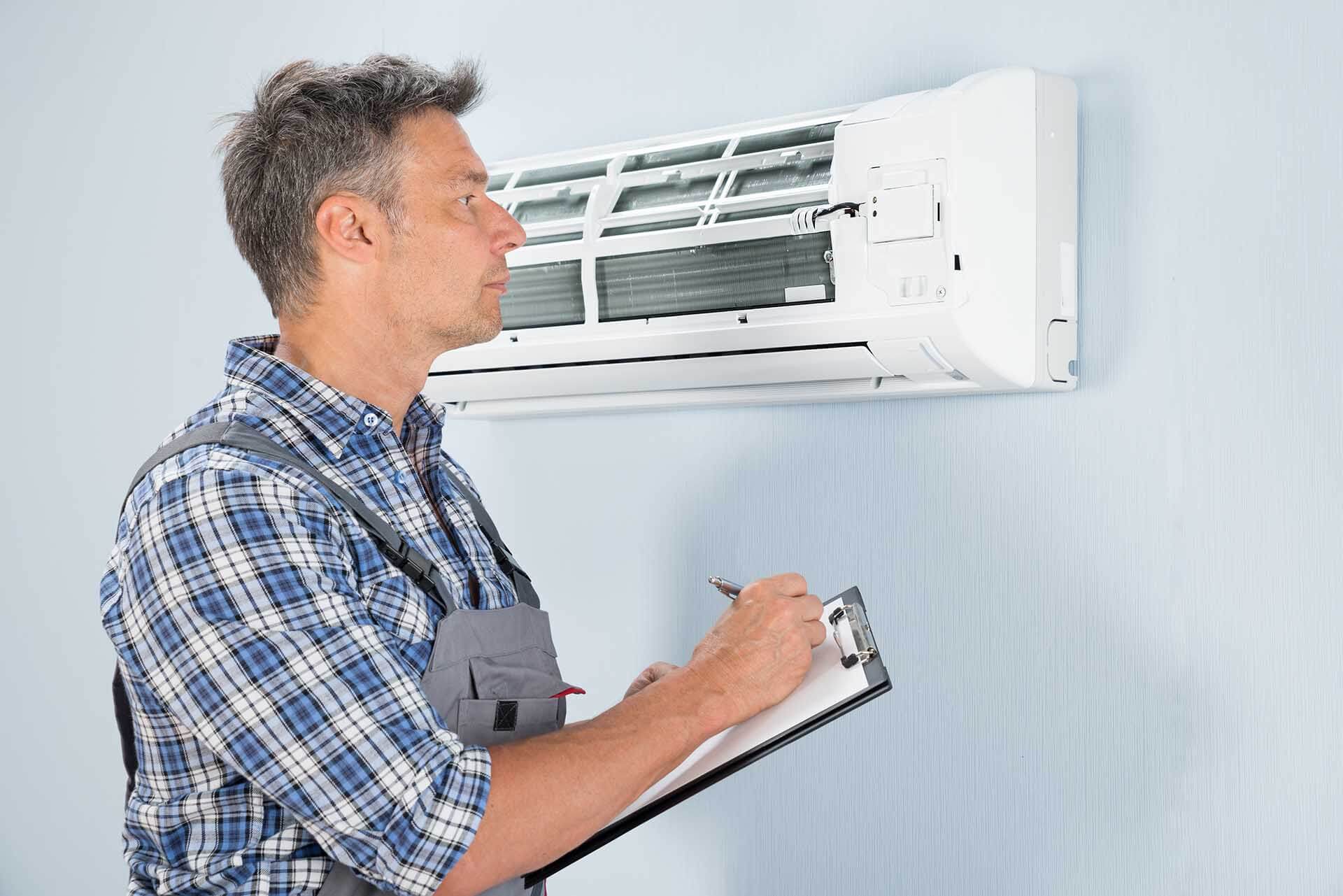
The cooling process relies on a delicate balance of refrigerant, steady airflow, and precise thermostat control. When any of these components falter, the system struggles to shed heat effectively. Low refrigerant levels, often caused by hidden leaks, prevent the unit from transferring thermal energy outside, forcing the blower to run indefinitely without ever hitting the target temperature. This not only spikes energy bills but also accelerates wear on the entire unit.
Restricted airflow and frozen coils frequently compound these problems. Dirty air filters or blocked return ducts choke the system, preventing the circulation necessary to maintain indoor comfort. Paradoxically, even in the middle of a heat wave, evaporator coils can freeze over if airflow is insufficient or refrigerant pressure is off-balance. Additionally, simple thermostat calibration errors or faulty sensors can cause a complete breakdown in communication between the user settings and the mechanical cooling equipment.
Regular seasonal maintenance remains the most effective defense against these failures. By inspecting refrigerant levels and cleaning coils before the peak of summer, technicians can catch minor leaks or airflow obstructions before they escalate into costly emergency repairs. For residents in Danbury, understanding these early warning signs—such as uneven cooling or excessive condensation—is key to keeping HVAC systems functional when the demand on them is at its highest.
Comments (0)
No comments yet. Be the first!