
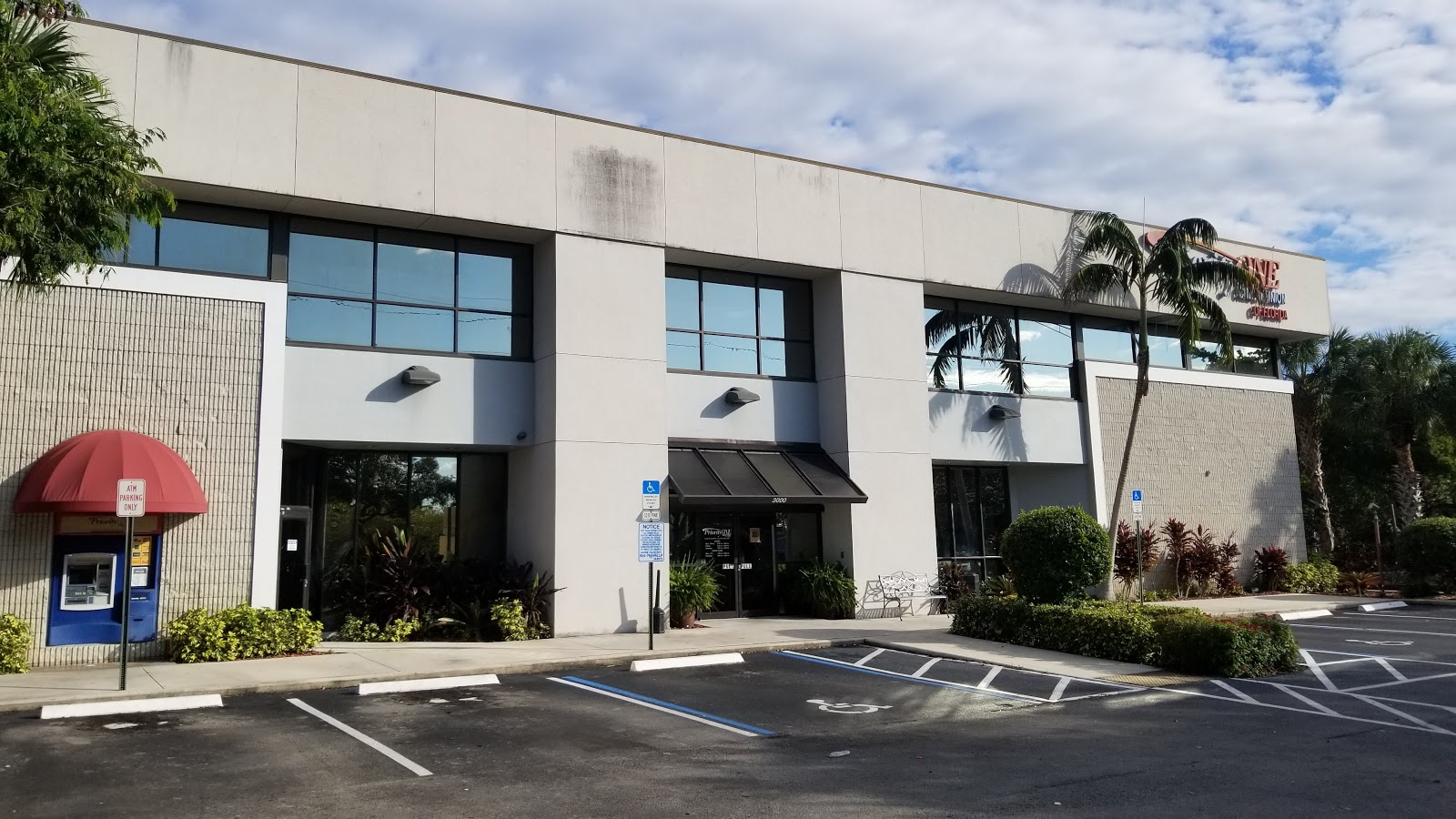
The modern lending landscape often prioritizes digital efficiency, yet the value of human connection persists. Local lenders possess a granular understanding of neighborhood housing markets, employment trends, and regional economic shifts. This context allows for more nuanced decision-making, as bankers can evaluate a borrower's situation against the backdrop of the specific community they serve.
Relationship-based banking fosters a level of accessibility that benefits both individual homeowners and business owners. By working directly with local professionals, borrowers gain a clear line of communication throughout the lifecycle of a loan, from the initial application to final repayment. This proximity enables meaningful dialogue regarding long-term financial goals, whether the objective is expanding a commercial enterprise or securing a residential mortgage.
Beyond individual service, community banks play a vital role in local economic health. Deposits from area residents are frequently reinvested into local projects, fueling entrepreneurship and sustainable development. For those navigating complex financial choices, the ability to meet face-to-face with a professional who understands the local market provides a level of confidence that standardized lending processes often lack.
Comments (0)
No comments yet. Be the first!