
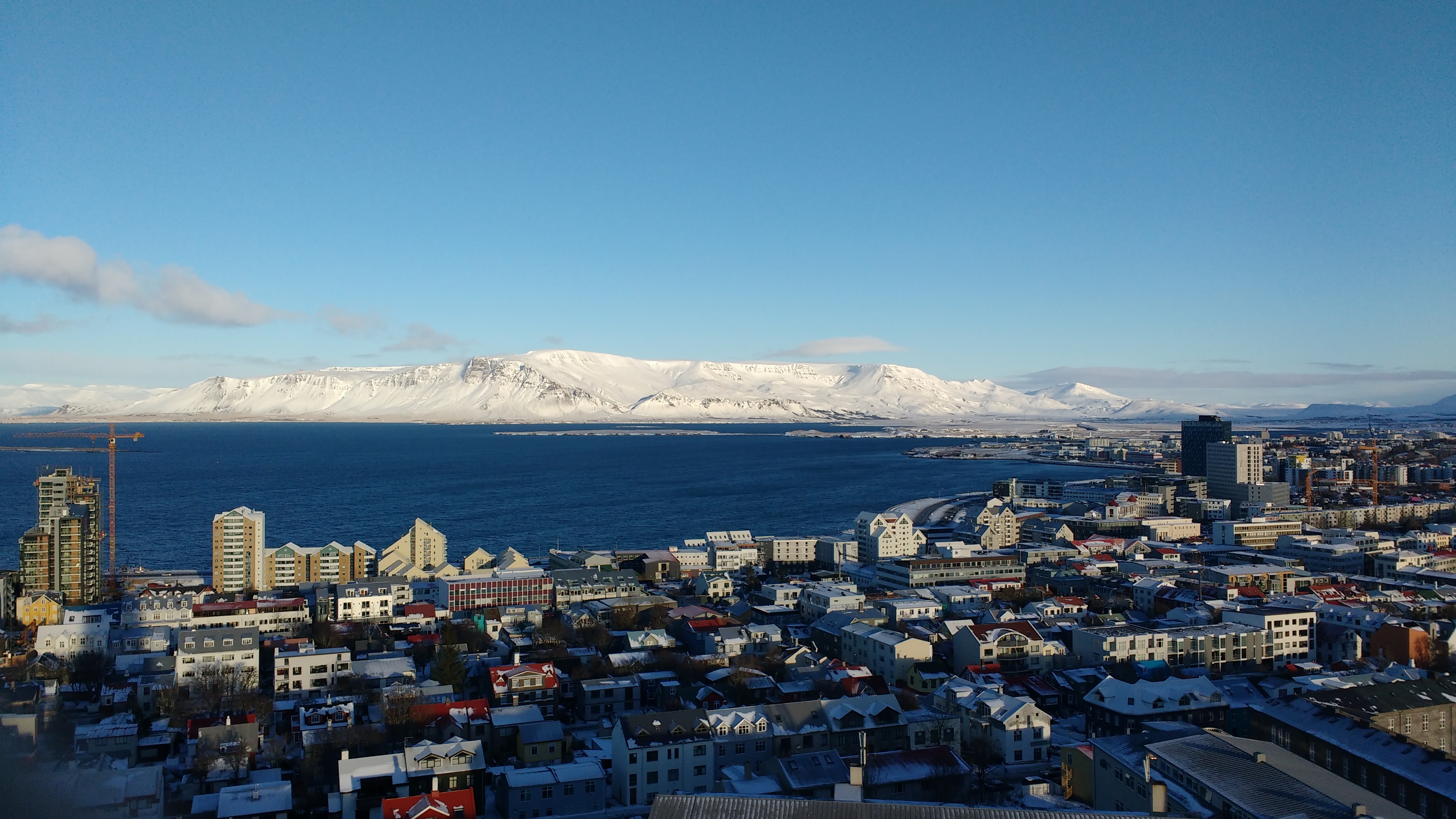
The research highlights that 54% of U.S. adults have abandoned travel plans specifically because they felt unsure about how to say a city or region name. This hesitation extends beyond simple speech; 40% report being less likely to visit a place if they struggle with its spelling, fearing that complex letter combinations will complicate their search and navigation experience. Cultural hotspots like Ljubljana, Reykjavik, and Montjuïc frequently suffer from this phenomenon, as travelers prioritize avoiding the potential embarrassment of being judged or appearing rude.
This linguistic anxiety creates a ripple effect in the tourism industry. Because 45% of travelers admit they are less likely to recommend destinations they cannot pronounce, these locations miss out on essential word-of-mouth promotion. Consequently, one-third of respondents simply default to well-known favorites. To counter this, 61% of travelers expressed a desire to improve their pronunciation skills, increasingly turning to YouTube, AI tools, and TikTok rather than traditional travel agents.
Omio has partnered with polyglot Alex Rawlings to launch a pronunciation guide aimed at demystifying global geography. Rawlings emphasizes that perfection is not the goal, suggesting that breaking down sounds into smaller components can significantly lower the barrier to entry. Facundo Viguie Aleman, CMO at Omio, noted that the initiative is designed to make travel feel more accessible, encouraging tourists to venture beyond the obvious by removing the intimidation factor of unfamiliar names.
Comments (0)
No comments yet. Be the first!