
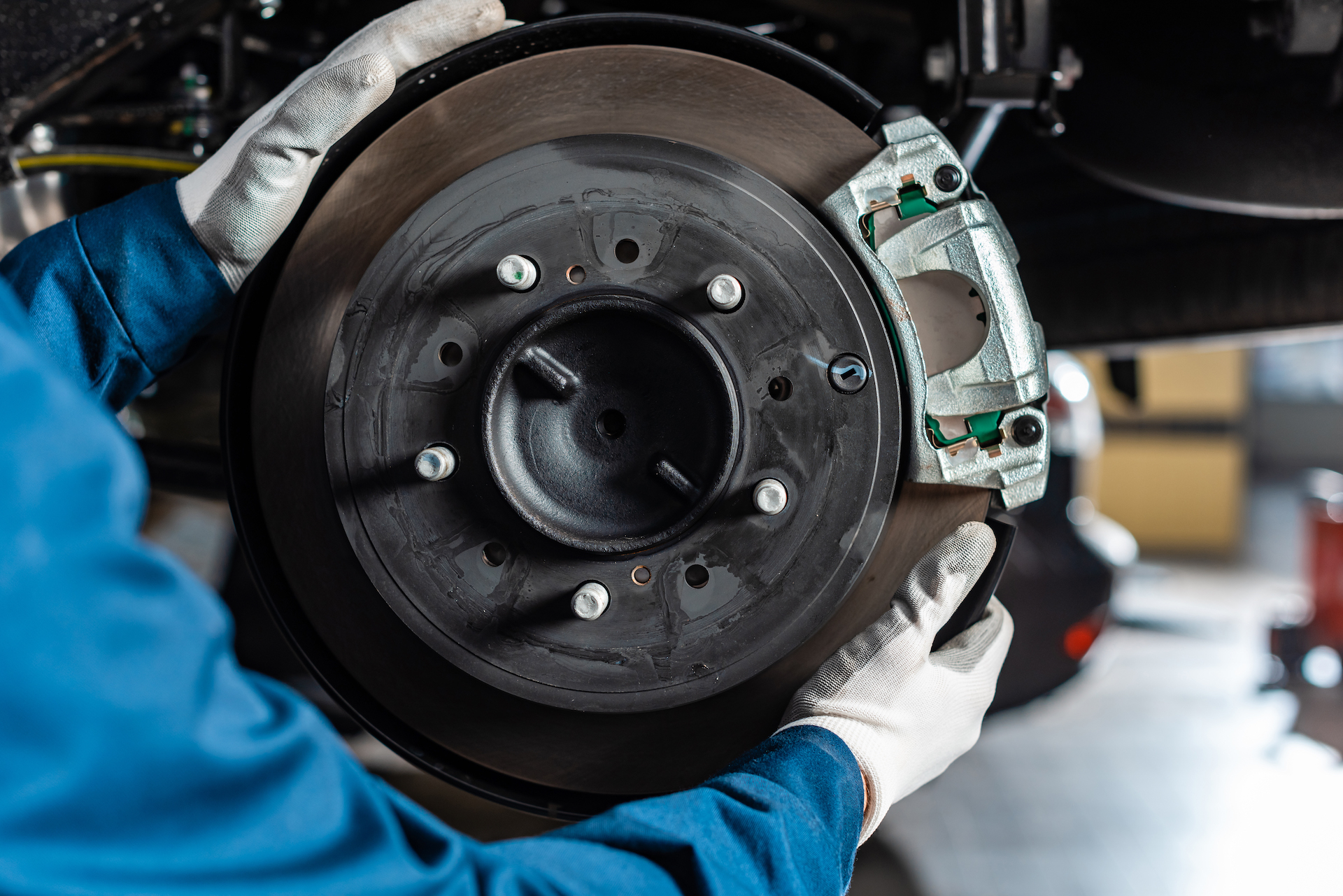
Modern brake pads include built-in wear indicators designed to emit a high-pitched squeal as they thin, a signal that replacement is due. If that sound transitions into a metallic grinding, the pads have likely worn away entirely, forcing the metal backing to scar the rotors. This escalation turns a routine pad swap into a more expensive overhaul involving rotor replacement or resurfacing.
Beyond noise, physical feedback in the controls offers critical diagnostic data. A vibrating steering wheel or a pulsing brake pedal often indicates warped rotors caused by uneven heat distribution. Meanwhile, a "spongy" pedal feel suggests air in the hydraulic lines or low fluid levels, both of which demand immediate professional attention. For Manchester drivers, the local climate adds another layer of risk; road salt and moisture accelerate corrosion on calipers and lines, which can lead to seized components.
Fortin recommends a professional inspection at least once a year, or every six months for high-mileage commuters. These checks, often bundled with oil changes or tire rotations, allow mechanics to test hydraulic pressure and spot leaks before they compromise stopping power. In the harsh New Hampshire winters, where icy pavement already extends stopping distances, maintaining a responsive braking system is a non-negotiable safety requirement.
Comments (0)
No comments yet. Be the first!