
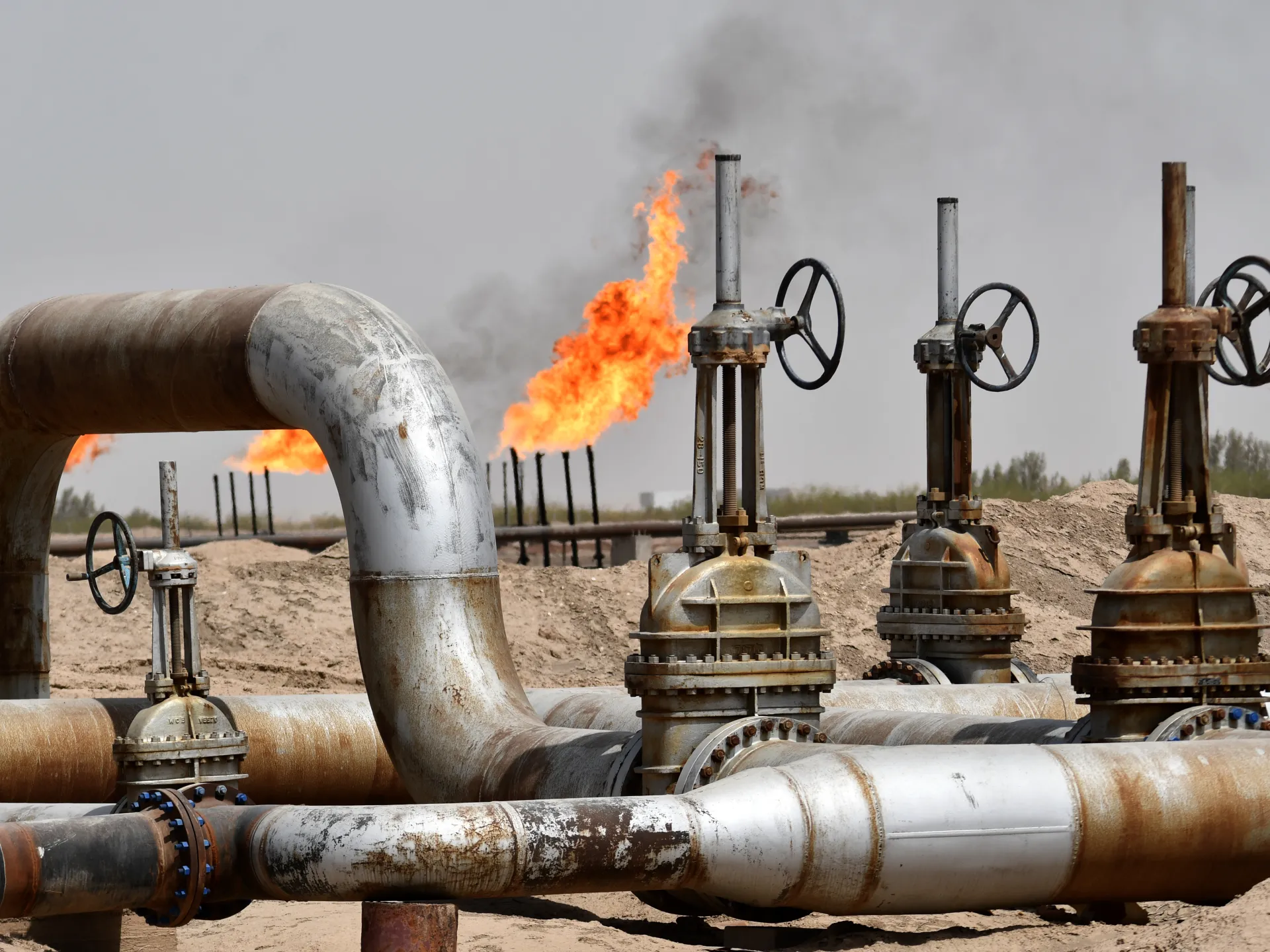
The upcoming discussions in Baghdad will prioritize the modernization of Iraq's oil, gas, and electricity sectors, specifically targeting gas capture and the expansion of export infrastructure. A core objective involves achieving self-sufficiency in associated gas production within two years to curb reliance on fuel imports. Officials are also evaluating a proposal to establish a joint maritime fleet to bolster crude export capabilities, potentially involving collaboration with the United States.
Oil Ministry spokesman Salim al-Rikabi underscored that the threat to leave the cartel reflects a desire to align production limits with Iraq’s actual capacity and development trajectory. As the organization's second-largest producer, pumping roughly 4.5 million barrels per day, Iraq’s exit would carry far more weight than previous departures. Analyst Jules Reimer notes that if OPEC quotas were removed, Iraq could potentially ramp up production to 7 million barrels per day by 2029. Such a move would reshape the landscape for international firms like Exxon Mobil, Chevron, and Halliburton while simultaneously undermining the cartel's influence over global pricing.
Comments (0)
No comments yet. Be the first!