
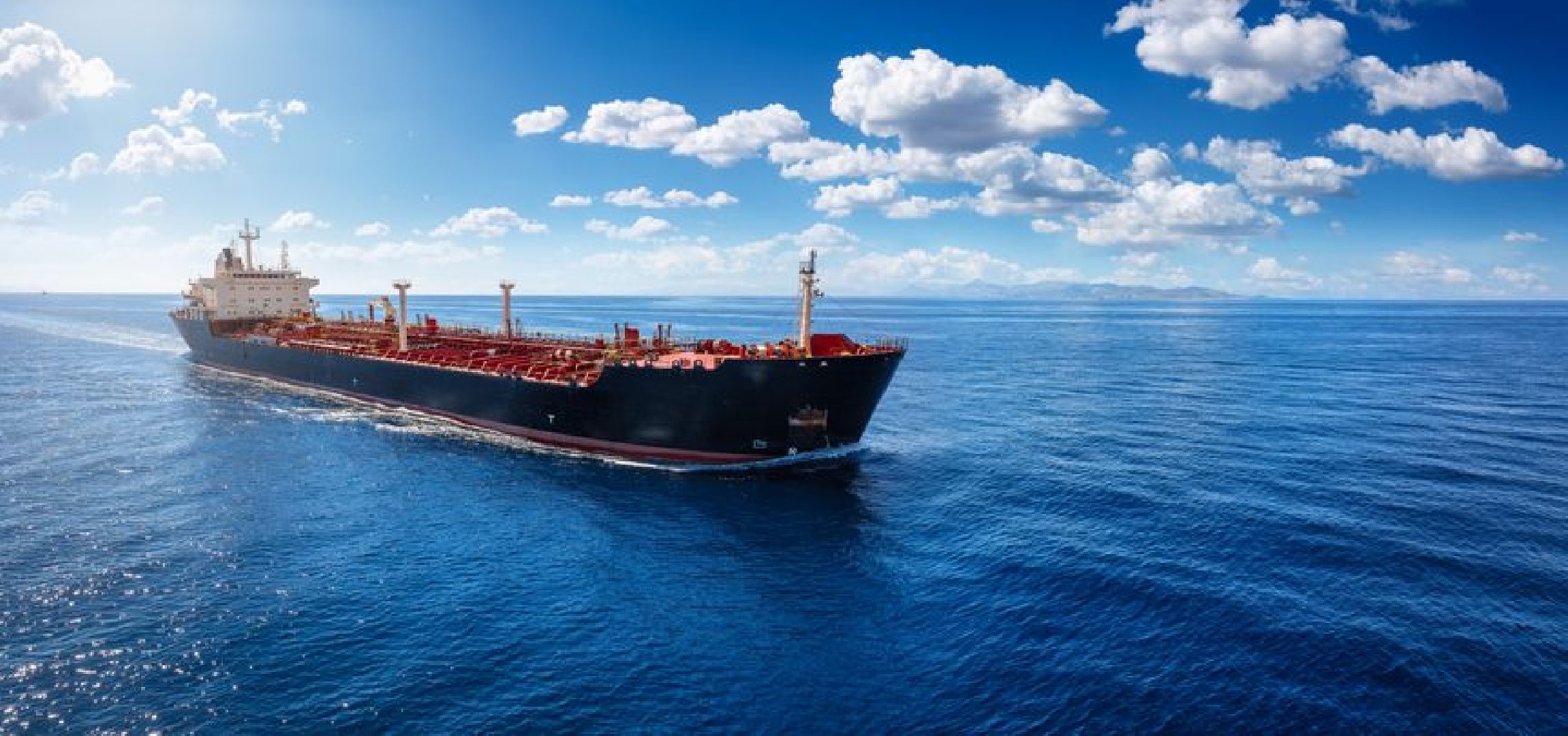
Traffic through the critical chokepoint showed signs of life on Friday, with two crude-laden tankers exiting the Strait and four empty supertankers moving inbound along the Omani coast. Despite this movement, the atmosphere remains brittle. Several operators have abandoned planned transits, choosing to hold vessels in place while seeking clarity on regional security. One Asia-based shipping firm explicitly ordered its fleet to remain stationary following the incident.
Market participants are parsing conflicting signals. While millions of barrels of oil have cleared the Strait this week, suppressing oil prices, the threat of escalation is palpable. The UN International Maritime Organization has suspended its vessel evacuation plan for the Persian Gulf, citing a need for better coordination and navigational safety. Meanwhile, Iran’s Islamic Revolutionary Guard Corps claimed on Telegram that vessels in the southern corridor were ordered to turn back, a assertion supported by data from intelligence firm Windward, which flagged five vessels behaving in accordance with those directives. With the IRGC asserting control and shipowners operating in a state of high alert, the recovery of traffic remains tentative at best.
Comments (0)
No comments yet. Be the first!