
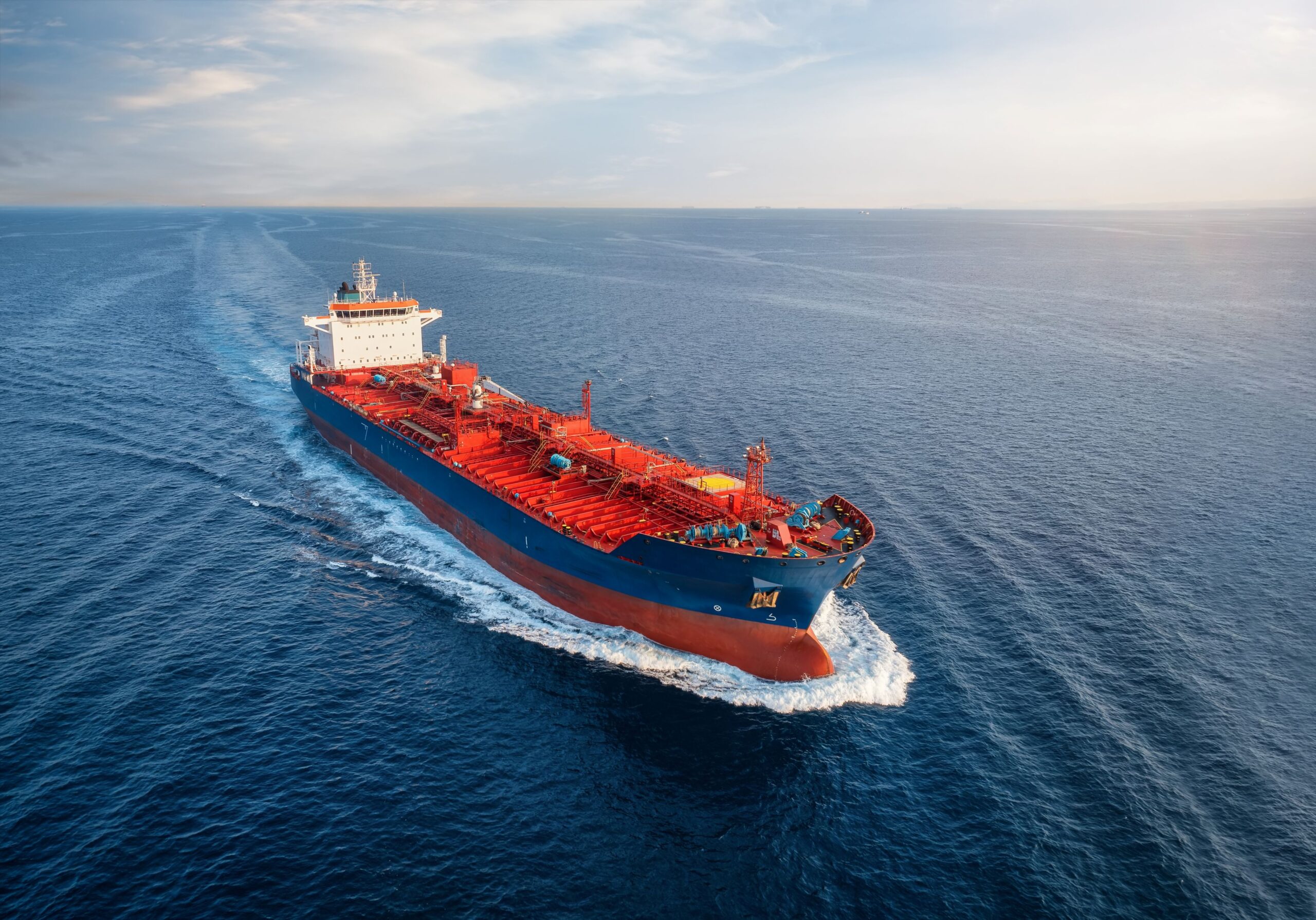
The world is rapidly approaching "tank bottoms," a state where usable oil and product inventories are effectively exhausted. With the Strait of Hormuz effectively closed or restricted in response to regional hostilities, nearly 20 percent of daily global oil supply faces an indefinite blockade. Even if the signed MOU demands an immediate cessation of hostilities, the practical reality of shipping tells a different story. Insurance premiums for transit have surged to five times pre-war rates, and the scarcity of available tankers creates a bottleneck that no diplomatic gesture can immediately resolve.
Seyed Marandi, a professor at the University of Tehran and unofficial spokesperson for the Iranian government, suggests that even if the waterway reopens, traffic will be strictly metered at rates far below pre-war levels. This creates a strategic advantage for Tehran: by keeping the flow of oil, liquefied natural gas, and fertilizer at a bare minimum, Iran can claim the Strait is technically open while maintaining a stranglehold on global supply. This leverage ensures that Iran can enforce the MOU's provisions on its own terms, using the threat of further closures to pressure U.S. negotiators. As the 60-day negotiation period begins, the inevitable depletion of global reserves will likely trigger severe price spikes, testing the Trump administration's resolve and forcing a high-stakes race against the laws of supply and demand.
Comments (0)
No comments yet. Be the first!