
Takaichi made the remarks at an Asia Zero Emission Community event held after the ASEAN Summit, Reuters reported. The proposals come as Asian countries focus more closely on energy security and the need for emergency oil reserves, despite the discussion taking place at an event centered on emissions reduction.
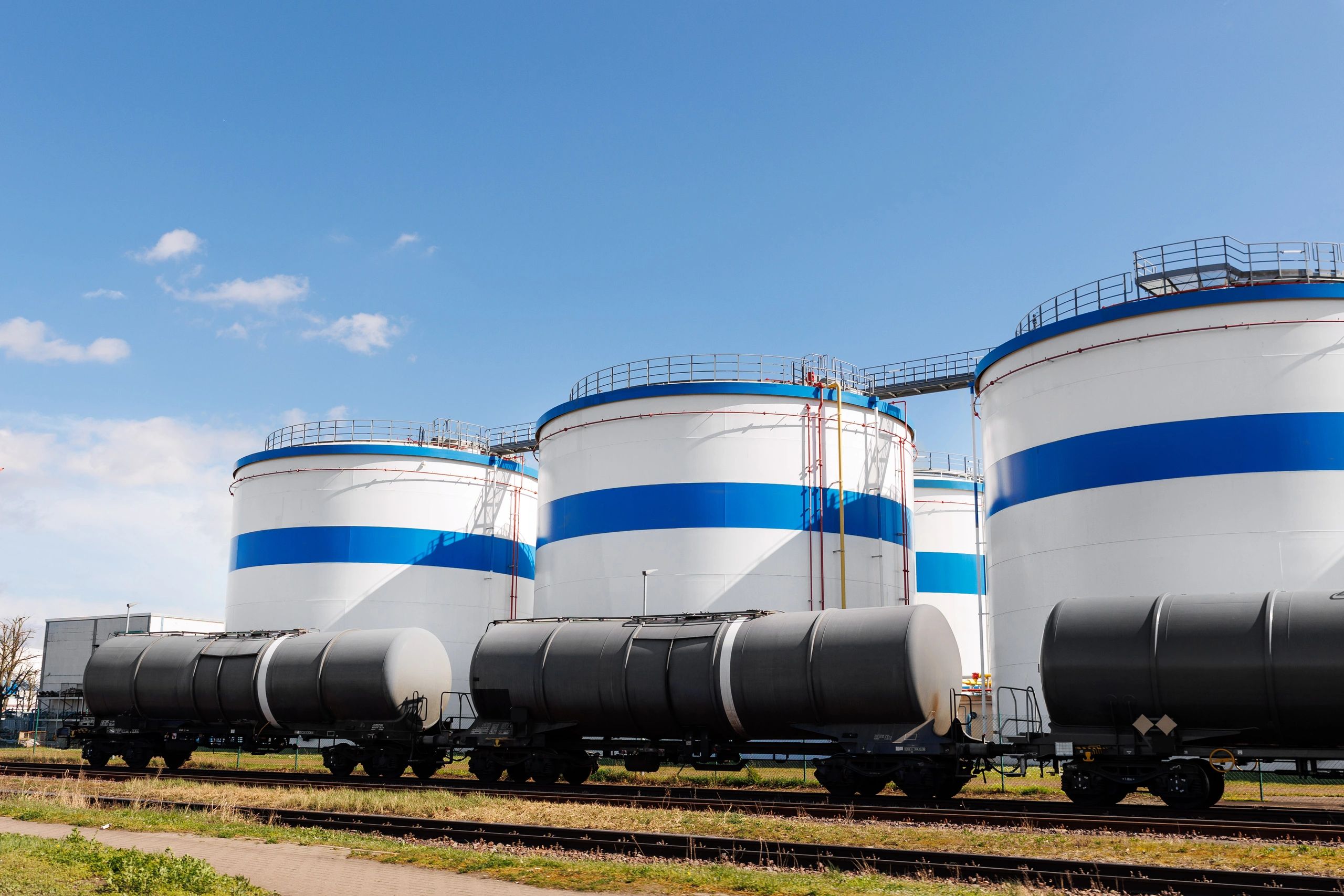
An initial stockpiling agreement was announced last week at the ASEAN Summit. Under the plan, storage sites in Indonesia and Thailand would supply oil to ASEAN members during periods of tight supply. The Philippines will coordinate the effort, according to Reuters.
Countries would reserve the right to buy a specified volume of oil or fuel by paying an advance fee through a ticket system. The storage sites would be run by energy companies in member states. ASEAN drew on a similar system already used in the European Union.
“Sustainable and enduring energy security demands that oil-consuming and oil-producing nations act in unison,” Philippine President Ferdinand Marcos Jr. said, according to Reuters. He called for deeper information-sharing, practical storage arrangements and adherence to international law to keep sea lanes open and markets fair and transparent.
Asia was hit particularly hard by the war in the Middle East because of its reliance on oil and gas imports from Persian Gulf countries. The resulting supply squeeze has sharpened attention on emergency reserves; Japan has maintained such stockpiles for decades.
Comments (0)
No comments yet. Be the first!