
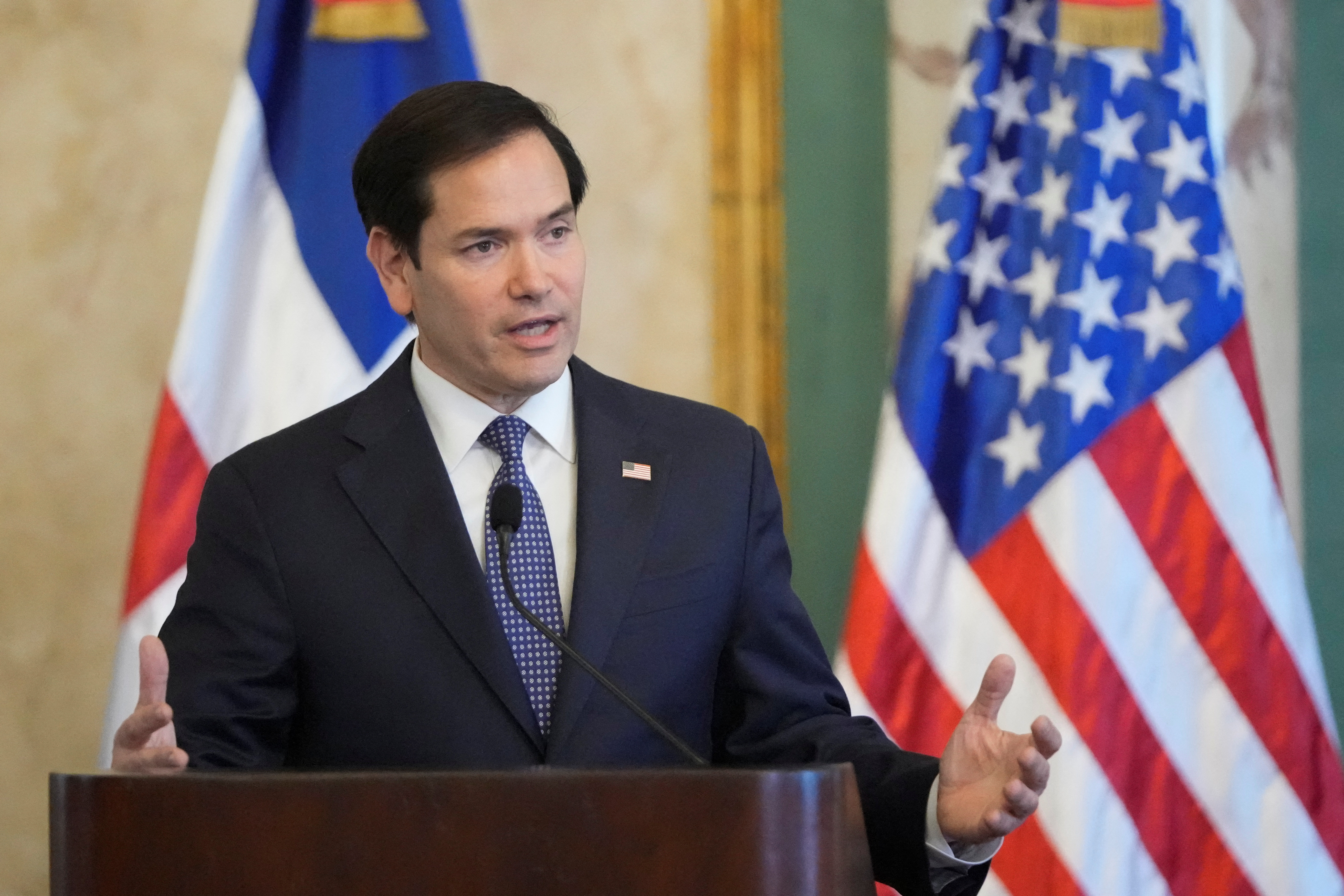
The Samarkand business forum on October 19 served as a platform for Uzbekistan to secure significant commitments across various sectors. President Shavkat Mirziyoyev praised the progress but admitted the country must streamline its administrative processes to ensure a more predictable environment for American investors. As part of this pivot, Tashkent joined the Artemis Accords, aligning itself with US-led space exploration initiatives.
Kazakhstan, while reporting no specific new contracts, expressed satisfaction with Washington’s shift away from a zero-sum approach toward the region. Astana remains committed to its balanced foreign policy, participating in both US-led and Chinese-backed initiatives like Pax Silica and WAICO. Kazakh officials made it clear that a primary test for Washington will be the long-overdue repeal of Jackson-Vanik trade restrictions, a move Rubio acknowledged remains stalled in a Republican-controlled Congress.
Meanwhile, China underscored its continued dominance in the region. As regional ministers met with Rubio, Tajikistan’s President Emomali Rahmon hosted Chinese Premier Li Qiang in Dushanbe to discuss AI capabilities and priority infrastructure projects. This geopolitical balancing act highlights the underlying tension for Central Asian states: they are eager to diversify their economic partnerships but remain wary of how effectively Washington can follow through on its non-binding financial commitments.
Comments (0)
No comments yet. Be the first!