
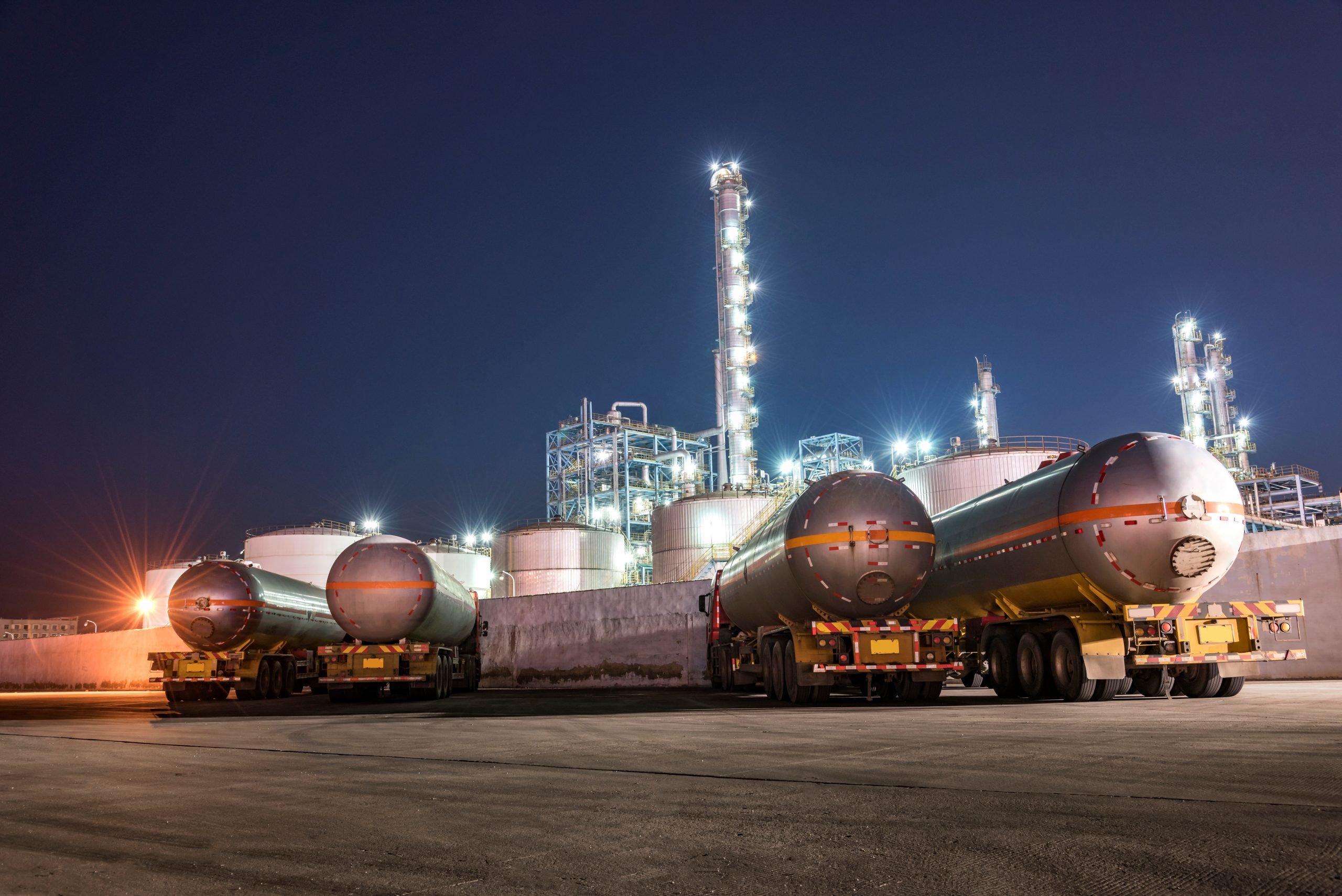
Market strength, previously defined by extreme volatility, is recalibrating as producers accelerate shuttle-shipping and ship-to-ship transfers in the Gulf of Oman. This uptick in spot cargo availability has systematically eroded the massive premiums seen in September, when the differential reached $30 per barrel. Tanker-tracking data now suggests that outgoing volumes have effectively recovered, in some instances exceeding pre-conflict levels.
Despite the improved supply, the logistics of moving this oil remain prohibitively expensive. Freight rates have climbed to record highs, driven by a global shortage of vessels. Supertankers are increasingly tied up in extended ship-to-ship transfers outside the Strait of Hormuz, effectively removing very large crude carriers from the global pool. This bottleneck restricts capacity for other critical trade routes, most notably between the U.S. Gulf Coast and Asia, ensuring that while oil is reaching the market, the cost of transit remains a significant anchor on the industry.
Comments (0)
No comments yet. Be the first!