
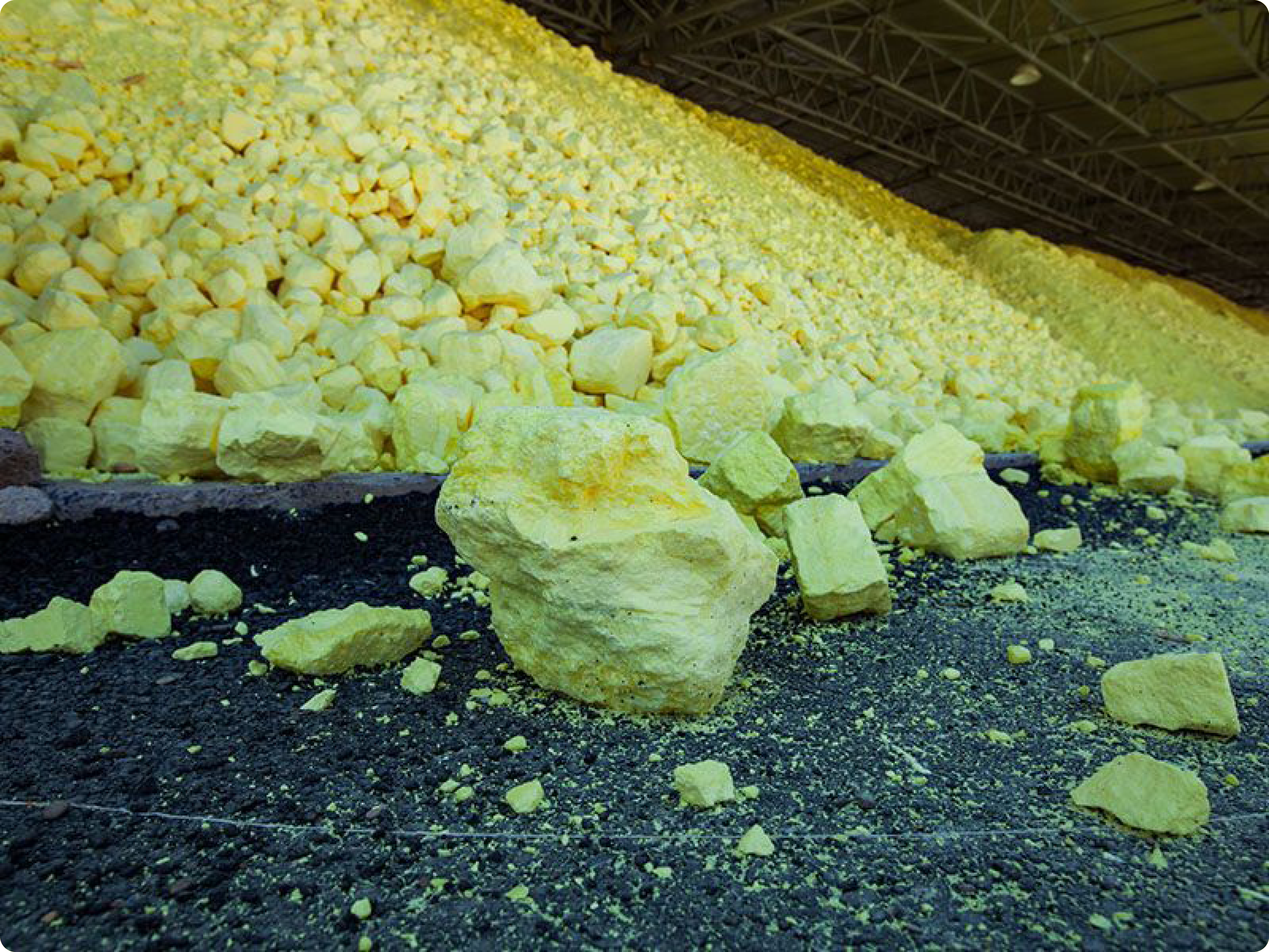
Modern industrial agriculture relies heavily on sulfuric acid, which consumes 50 percent of the global sulfur supply. As the primary byproduct of oil and gas refining, sulfur availability has become tethered to the stability of energy logistics. With Iran’s control over the Strait of Hormuz effectively choking off shipments, the market faces a scarcity that legacy mining operations cannot quickly replace. Most traditional sulfur mines were shuttered decades ago when refinery byproduct became the cheaper, dominant source.
Fertilizer producers now find themselves in a precarious position. They struggle to pass soaring production costs to farmers already burdened by high fuel and nitrogen prices. Meanwhile, the mining industry remains a formidable competitor for the remaining supply; high market prices for copper and uranium allow miners to outbid fertilizer manufacturers for the sulfuric acid required to process ore. This intersection of energy conflict and resource competition arrives alongside forecasts of a severe El Niño, compounding the threat to global food production. The resulting volatility creates a dangerous environment for both vulnerable populations and policymakers managing the food supply chain.
Comments (0)
No comments yet. Be the first!