
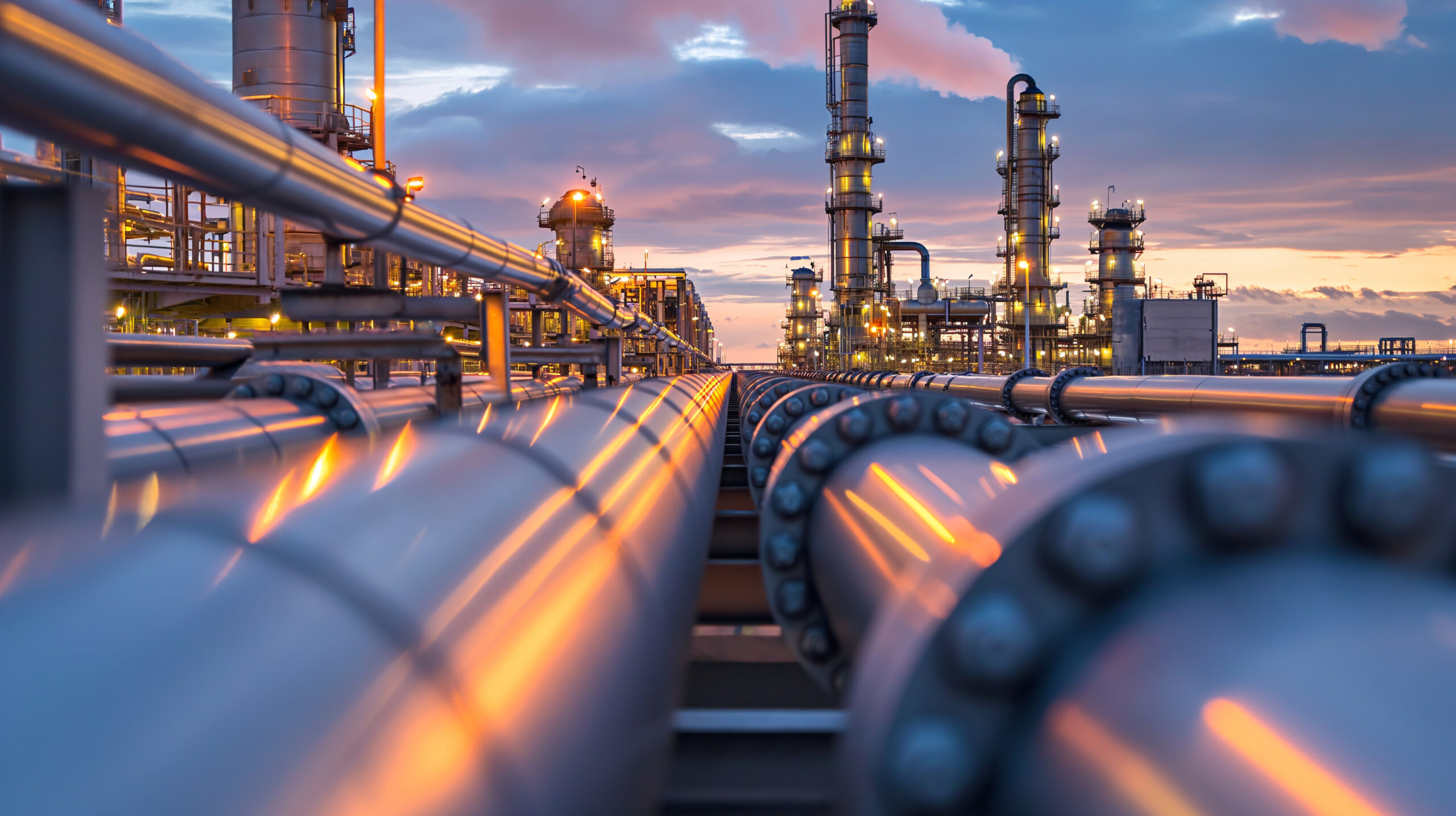
The crisis centers on diesel, the primary lubricant of the global economy. While crude oil remains a focal point of market analysis, refined products are in dangerously short supply. In September, diesel crack spreads surged past $100 per barrel, reflecting a structural failure in refining capacity that Middle Eastern instability has only exacerbated. As Ukrainian forces continue to target Russian refineries, the resulting export bans from Moscow and Beijing have forced a frantic scramble for remaining supplies.
The United States, despite being a net exporter, has flirted with domestic export restrictions to dampen record-high prices. President Donald Trump eventually pivoted away from a formal ban, instead pressuring European allies to tap 100 million barrels of strategic reserves. While this move provided temporary relief, it did little to address the underlying scarcity facing Europe. With the EU’s refining capacity diminished over the last 15 years, the bloc remains precariously dependent on imports that are no longer guaranteed.
Energy security has now eclipsed the decarbonization agenda that defined European policy since 2015. Even nations committed to green transitions are pivoting toward immediate fuel acquisition to keep domestic markets operational. As refineries in conflict zones remain offline and tanker flows are diverted away from European ports, the global fuel market is fracturing. The era of seamless energy trade has effectively been replaced by a defensive posture where every country fends for its own energy survival.
Comments (0)
No comments yet. Be the first!