
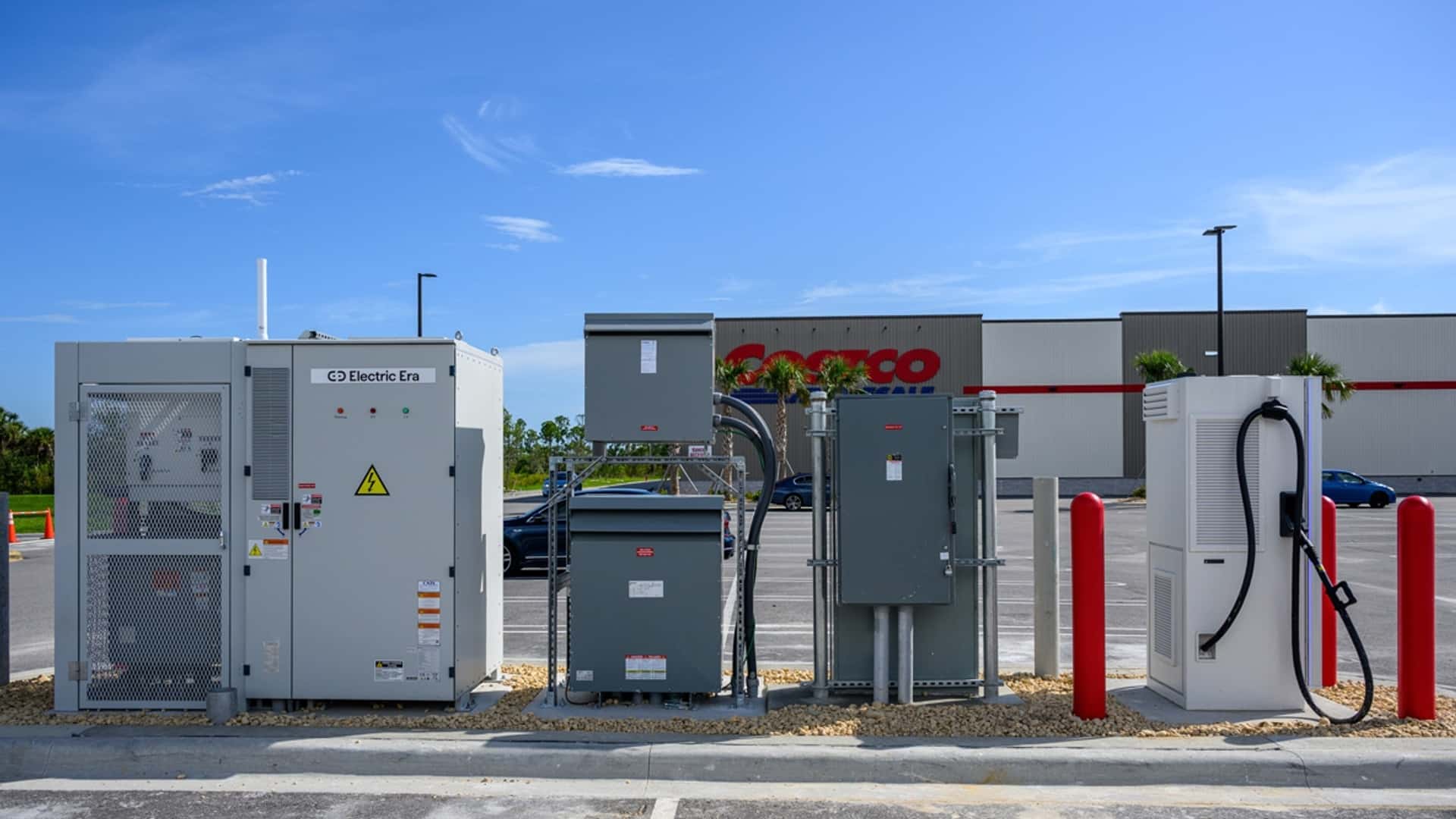
The PJM Interconnection uses coincident peak (CP) charges to manage system-wide demand, forcing operators to pay based on their load during the year's five highest usage hours. Because grid operators provide no advance warning, businesses often face steep, retroactive capacity costs. Electric Era’s machine learning algorithm addressed this by predicting these specific one-hour windows with 97% confidence.
During the peak events on July 1, 2, 15, 16, and September 1, the company’s battery-backed system shifted the power burden away from the grid. At one monitored site, the station delivered 72 kW to vehicles while drawing only 9 kW from the utility. By reducing the Peak Load Contribution (PLC) by 63 kW, the operator saved approximately $12,000 in annualized capacity charges. According to CEO Quincy Lee, this integration of hardware and software is essential to preventing demand charges from eroding the profitability of EV infrastructure as grid strain continues to rise across the United States.
Comments (0)
No comments yet. Be the first!