
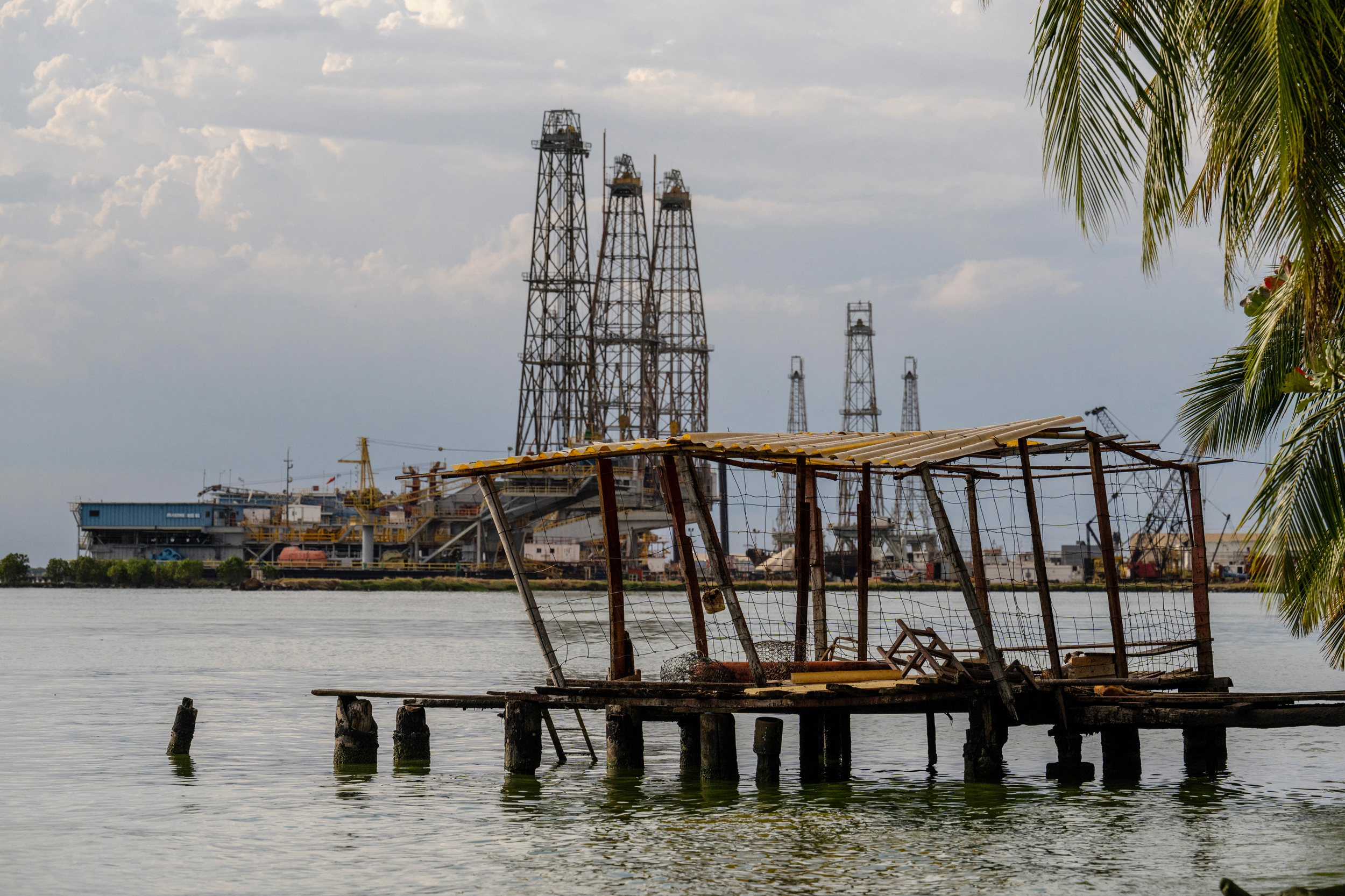
The summit marks a definitive departure from the isolation of the Maduro era. Following the implementation of revised hydrocarbon laws and the lifting of restrictive sanctions, more than 250 companies are negotiating entry into the Orinoco Belt. The renewed interest is anchored by a complete overhaul of the fiscal framework that previously rendered the region uninvestable for major Western firms.
ExxonMobil, which exited the country in 2007 following nationalization, is currently nearing a preliminary agreement to return, according to reports. This potential move underscores a broader industry confidence shift. Chevron has already committed $7 billion to expand production to 600,000 barrels per day, while Continental Resources secured rights to the Ayacucho 2 Block, a site holding an estimated 30 billion barrels. Similarly, Italy’s Eni has assumed operatorship of the Junín-5 field, and a consortium including BP and Qatar’s UCC Oil and Gas Holding has claimed licensing for offshore gas assets.
Regional players are mirroring this scale of ambition. Colombia’s GeoPark announced plans to invest $7 billion in the Bare oilfield, aiming to increase output nearly tenfold by 2038. As the interim administration removes historical barriers to entry, the rapid consolidation of these agreements suggests that the global energy sector views Venezuela not merely as a high-risk gamble, but as an essential component of future supply strategies.
Comments (0)
No comments yet. Be the first!