
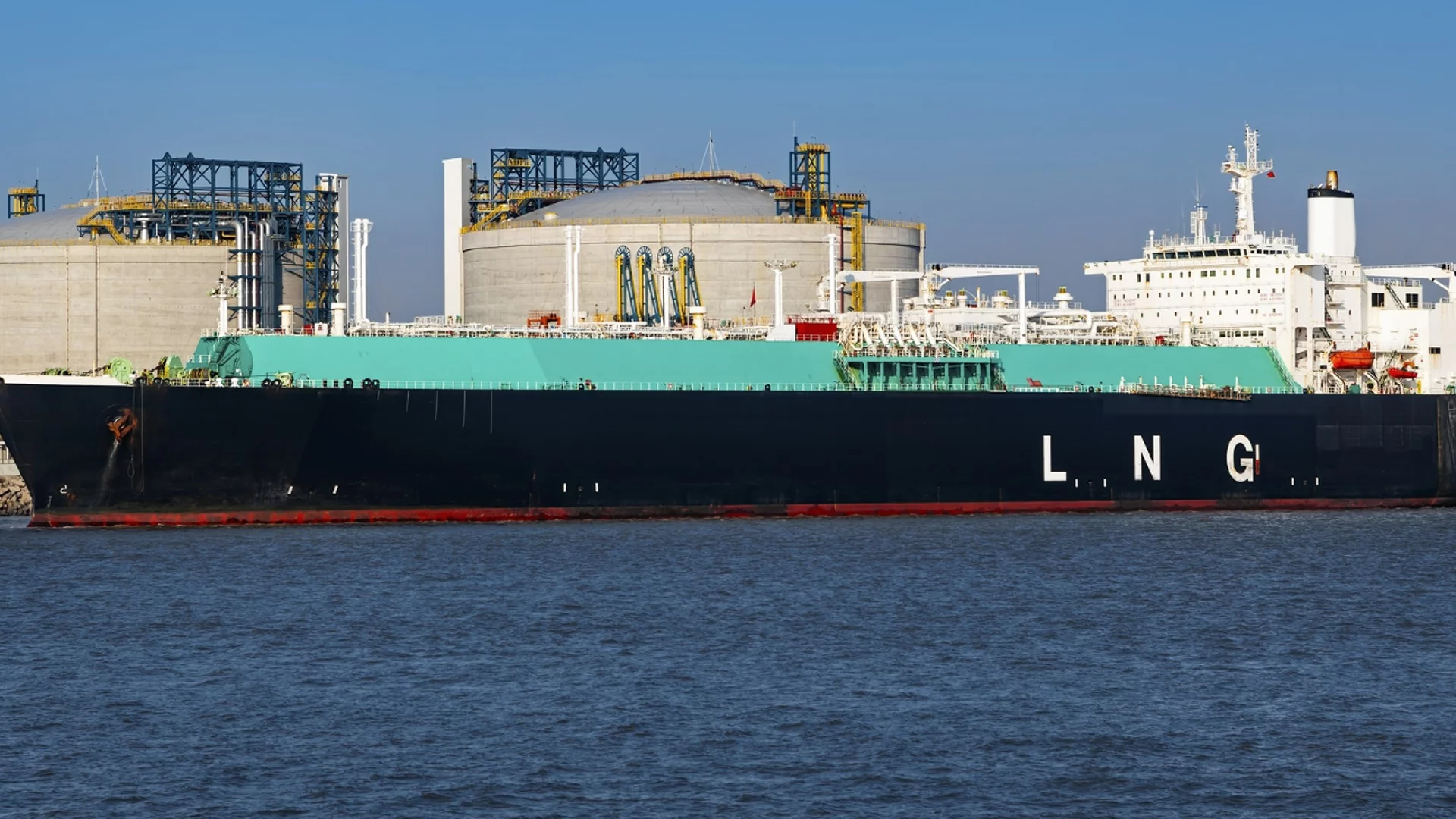
Gas storage sites across the European Union were only 71% full as of September 28, a significant drop from the 86% average seen over the past five years. Germany, the bloc's largest economy, faces an even tighter outlook with storage levels hovering near 57%. This shortfall has triggered urgent warnings from European Energy Commissioner Dan Jørgensen, who is pressing member states to implement immediate demand-reduction measures to preserve reserves ahead of winter.
The Hormuz Logistical Chokepoint
The crisis stems from the inability of Qatari LNG vessels to navigate the Strait of Hormuz, a route that remains largely inaccessible due to the ongoing conflict in Iran. While crude oil shipments continue to bypass the chokepoint, LNG presents a complex challenge due to the technical difficulties of ship-to-ship transfers. QatarEnergy has extended its force majeure declarations through November, leaving major importers like Italy’s Edison scrambling to replace dozens of missing long-term cargoes.
Despite these pressures, industry leaders suggest the current infrastructure is more resilient than during the 2022-2023 crisis. VNG CEO Ulf Heitmueller noted that Europe’s broadened supply network and increased access to non-Middle Eastern LNG offer a buffer against total shortages. A shift in global shipping economics has also provided some relief: as the price premium for shipping U.S. cargoes to East Asia has evaporated, more tankers are being redirected to European ports. However, this shift comes at a steep price, with wholesale gas costs expected to feed directly into Eurozone retail and electricity inflation, keeping pressure on the European Central Bank to maintain its current interest rate trajectory.
Comments (0)
No comments yet. Be the first!