
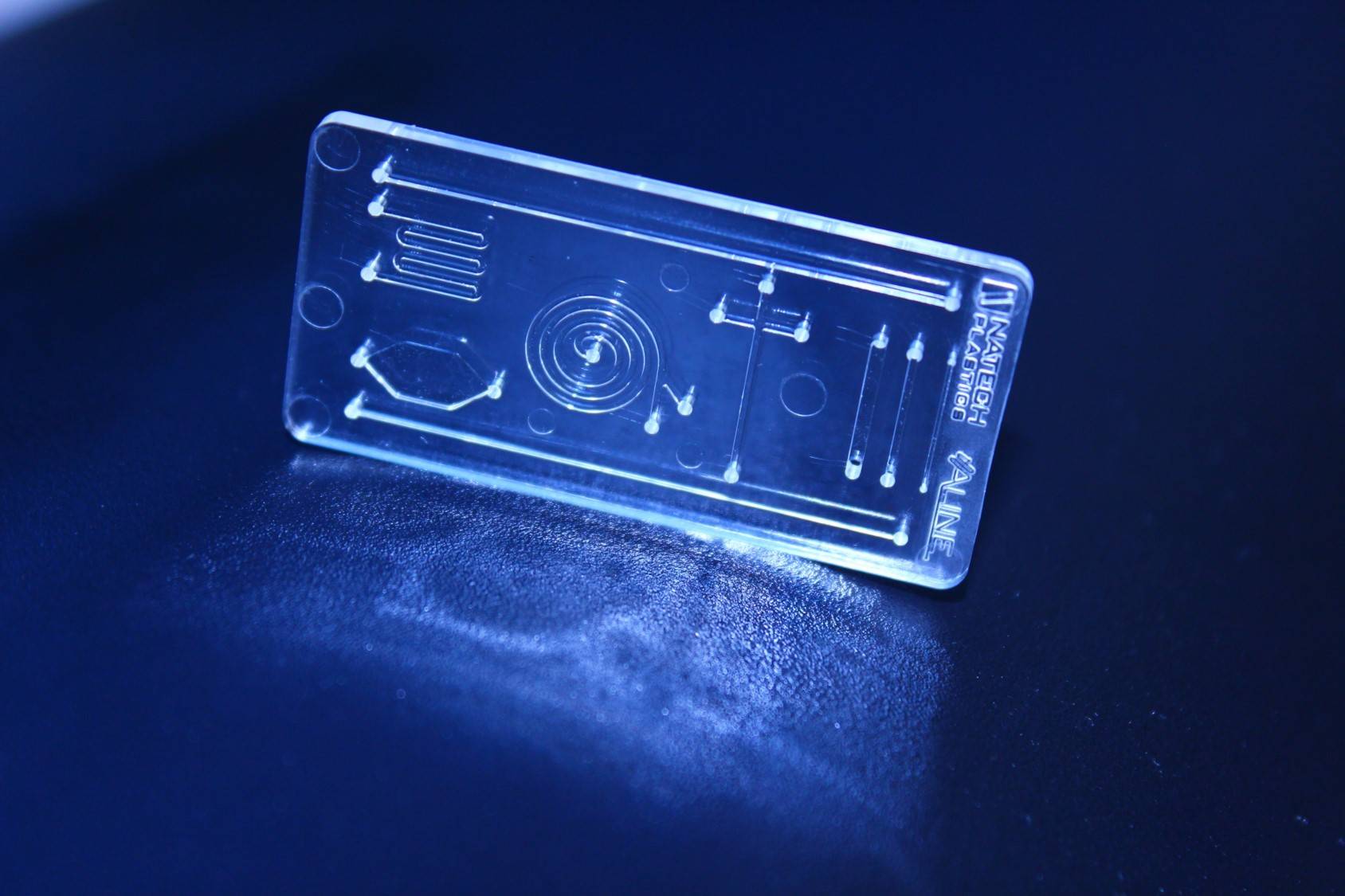
Technological advancements are moving the industry beyond single-function chips toward fully integrated, sample-to-answer cartridges. By combining sample preparation, amplification, and detection on a single platform, manufacturers are enabling complex diagnostic workflows to migrate from specialized laboratories into clinical and field settings. This transition is further accelerated by the integration of AI-driven software, which provides automated interpretation and standardized data capture, meeting the rigorous demands of modern regulatory environments.
In pharmaceutical research, organ-on-a-chip models are increasingly being adopted as a sophisticated alternative to conventional animal-based testing. These systems simulate human tissue functions, offering higher predictive accuracy during drug discovery. While the sector faces hurdles related to high instrumentation costs and evolving regulatory frameworks for multiplex diagnostics, strategic investments from companies like HyperMelt and Parallel Fluidics indicate a strong industry focus on scaling production and commercializing laboratory-developed innovations. North America currently leads the market due to its mature biotechnology infrastructure, while the Asia-Pacific region is emerging as the fastest-growing hub for local manufacturing and diagnostic research.
Comments (0)
No comments yet. Be the first!