
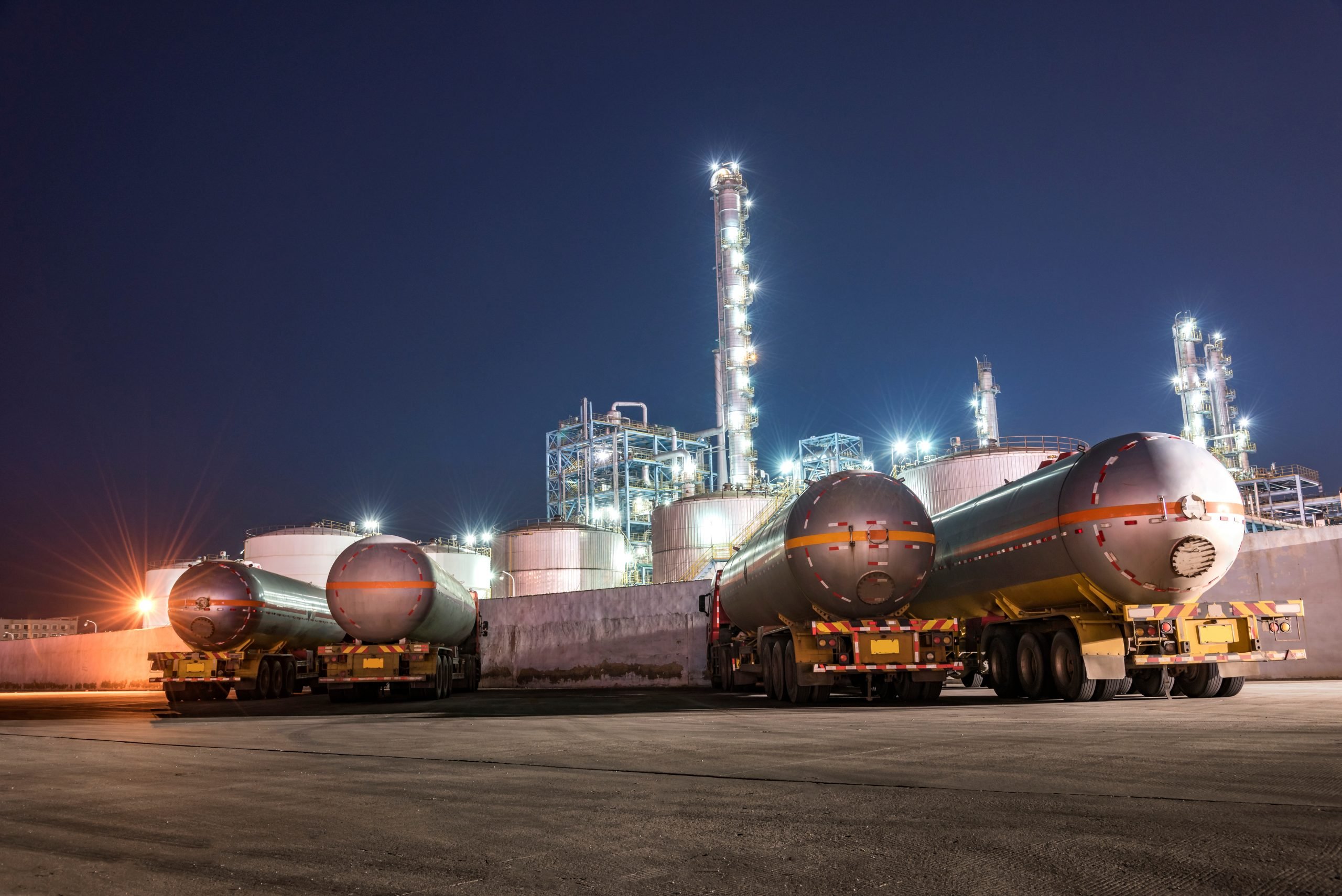
The financial strain is mounting as shipping costs climb alongside heightened security threats. Vessels departing from ports further south, such as Jizan, now face premiums as high as 7%, mirroring the 6% to 9% rates seen for voyages through the Strait of Hormuz. With charter rates exceeding $500,000 per day and bunker fuel costs adding another $100,000, each cargo carries a massive premium compared to the pre-war cost of $100,000 per voyage.
Saudi Arabia originally constructed the East-West pipeline to bypass Hormuz, moving roughly 4 million barrels per day to Yanbu. However, recent drone attacks disrupted this flow, and while Aramco has initiated a restart at reduced rates, loadings at Yanbu remained stalled as of late last week. The disruption forced a shift back toward Persian Gulf exports, with Aramco diverting roughly 60 million barrels for September and October through Ras Tanura.
Logistical uncertainty persists as the Houthi movement continues to threaten Saudi-linked vessels near the Bab el-Mandeb strait. Unlike the Hormuz route, where U.S. forces provide aerial support, the Red Sea corridor lacks comparable protection. This leaves Saudi exporters trapped between two volatile chokepoints, struggling to maintain delivery schedules to Asian and European term customers while navigating a landscape of surging premiums and compromised infrastructure.
Comments (0)
No comments yet. Be the first!