
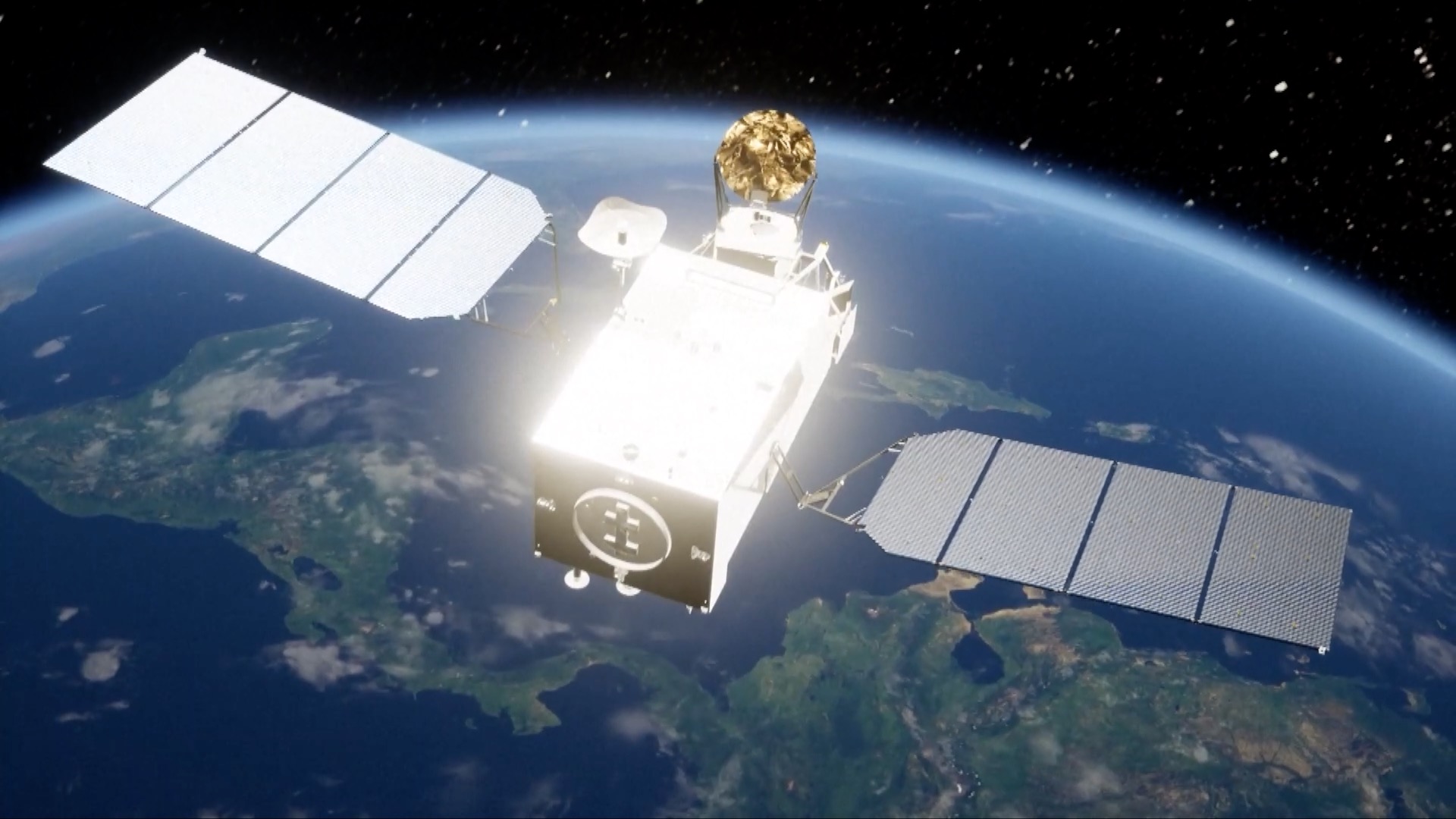
The system, unveiled at the 2025 World Artificial Intelligence Conference, functions as a core component of the United Nations' Early Warnings for All initiative. It offers a hybrid approach, combining standardized menu-style tools with customized models tailored to specific regional geography. In Pakistan, the technology is embedded directly into national platforms to combat monsoon-driven floods, while Ethiopian forecasters use it to generate high-precision nowcasts via the Fenglei and Fengqing AI models.
Beyond software deployment, the initiative emphasizes local capacity building. The Fujian provincial meteorological bureau is currently working with Sri Lankan counterparts to refine precipitation and temperature forecasting, while nearly 1,000 specialists from over 100 developing nations have traveled to China for technical training. UN Secretary-General Antonio Guterres highlighted this collaborative model at the 2026 World Artificial Intelligence Conference, noting that the transfer of satellite-backed technology and joint research efforts are essential for protecting vulnerable populations against accelerating climate shifts.
Comments (0)
No comments yet. Be the first!