
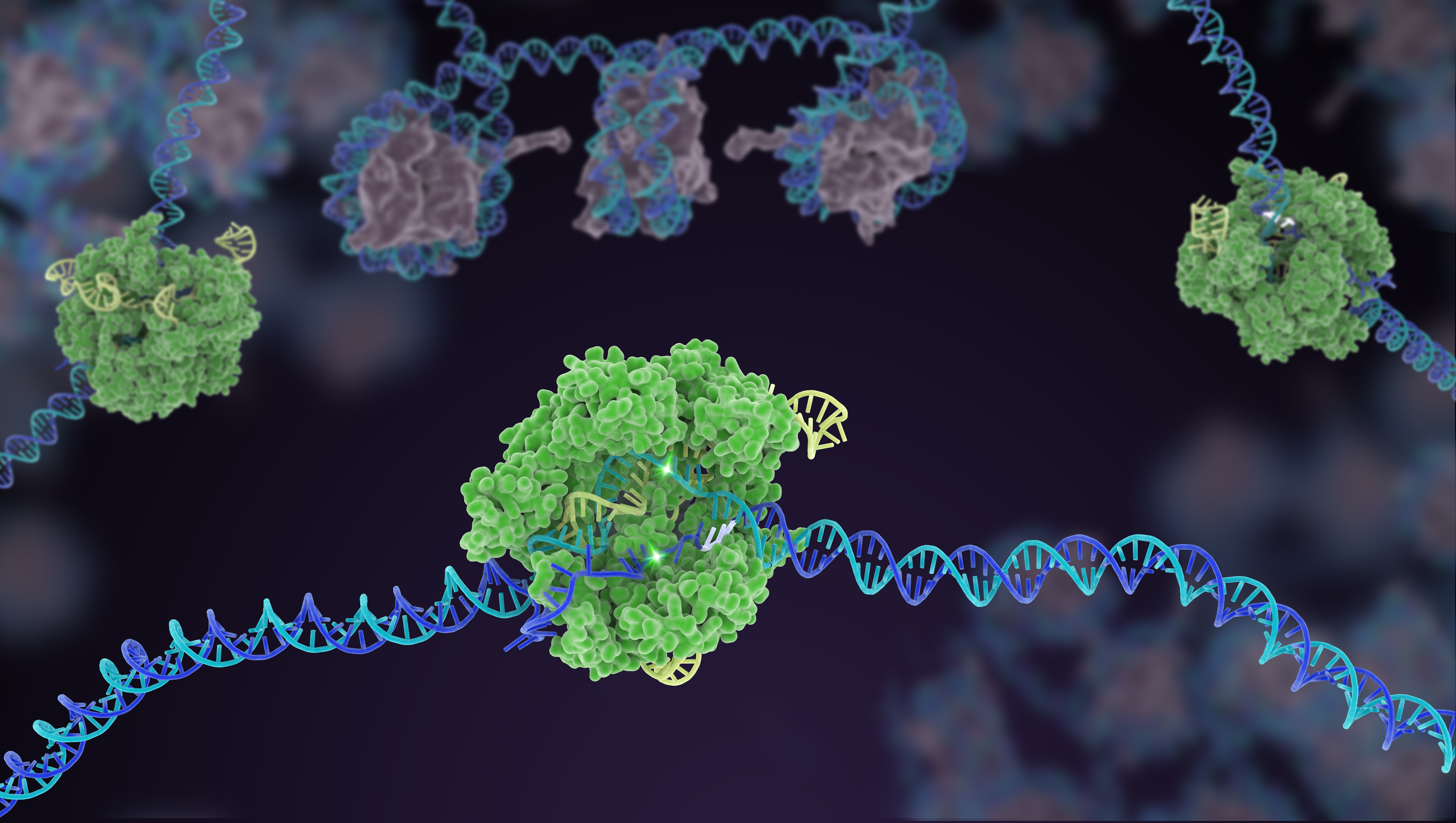
Led by principal application scientist John F. Thompson, the study details how CRISPR/Cas9 functions as a precision tool to enhance the OhmX platform. By enabling targeted DNA labeling—including label insertion and blocking—the researchers can now configure assays around specific areas of interest. This methodology provides a dual-purpose capability: it allows for the characterization of CRISPR activity itself, supporting gRNA optimization, while simultaneously using that same CRISPR precision to isolate and examine difficult genomic segments.
The clinical utility of this technique was validated through the detection of FXN repeat expansions, the primary cause of Friedreich Ataxia. The team suggests this model is equally applicable to other repeat expansion disorders, such as the FMR1 repeats associated with Fragile X syndrome. By replacing traditional laser-based optics with nanofluidics and electronic detection, the Nabsys platform offers a high-resolution alternative for structural variant analysis. According to CEO Barrett Bready, this milestone shifts EGM from a passive observation tool to an active, controlled method for exploring the most challenging parts of the human genome.
Comments (0)
No comments yet. Be the first!