
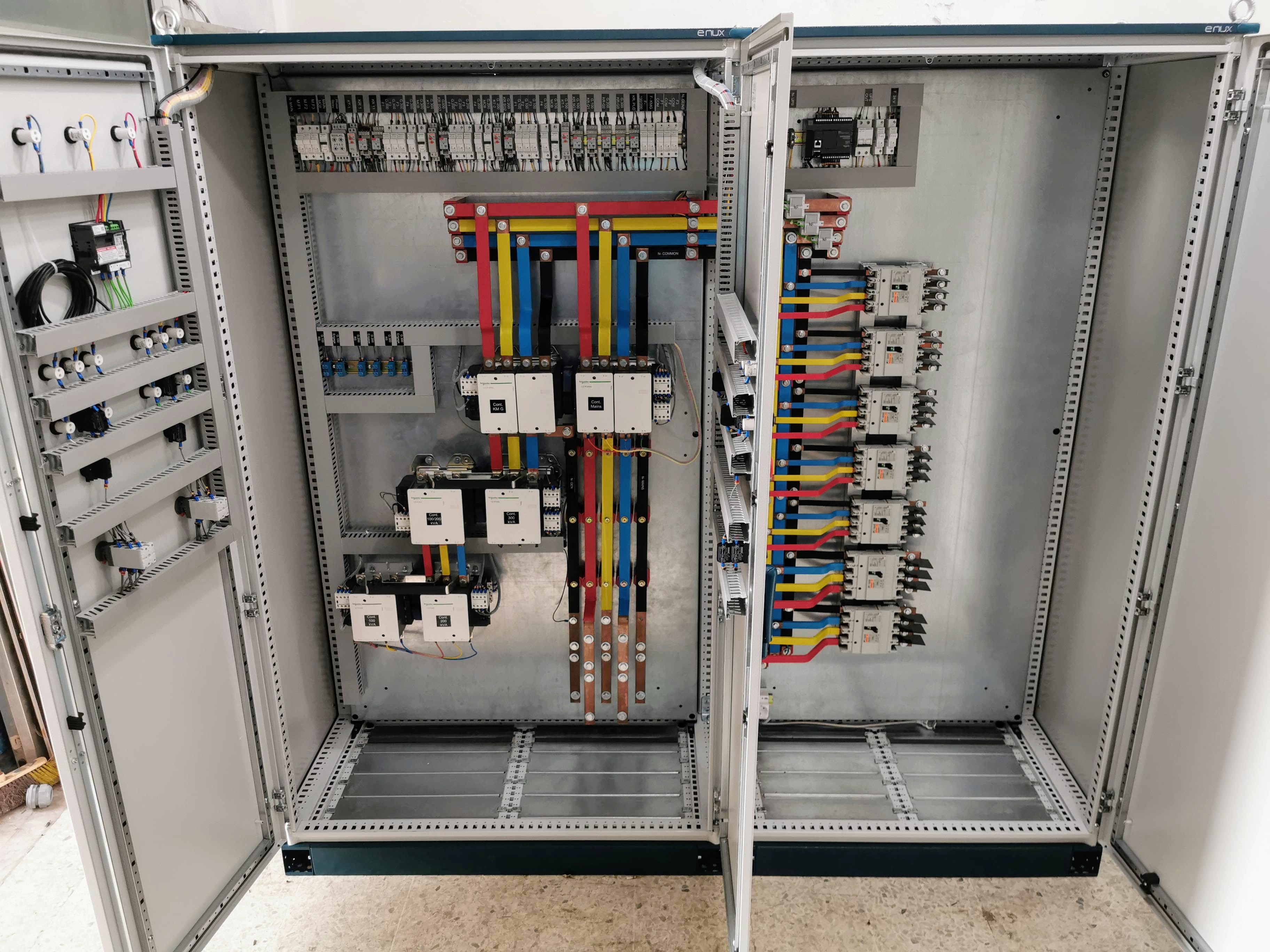
Many homes were constructed when daily power consumption was limited to basic lighting and modest kitchen appliances. Today, the rise of home offices, sophisticated entertainment systems, and smart devices has fundamentally shifted the load requirements for residential grids. When these modern demands exceed the original design specifications of a panel, the system begins to buckle under the strain.
Gerald Talbot points to several clear indicators that a system upgrade may be necessary. Frequent circuit breaker trips are a primary warning sign, signaling that the panel is struggling to manage current loads safely. Beyond mere nuisance, a lack of available breaker space often halts renovation projects or the installation of new appliances like electric ranges and hot tubs. Talbot suggests that homeowners should view panel evaluation not as a reactive measure, but as a proactive step in property maintenance. By assessing electrical capacity during the early planning stages of solar installations, workshop additions, or living area expansions, residents can avoid costly, repeated modifications down the line. While an older panel might technically remain functional, professional assessment ensures that the system aligns with current safety codes and the realities of modern electricity consumption.
Comments (0)
No comments yet. Be the first!