
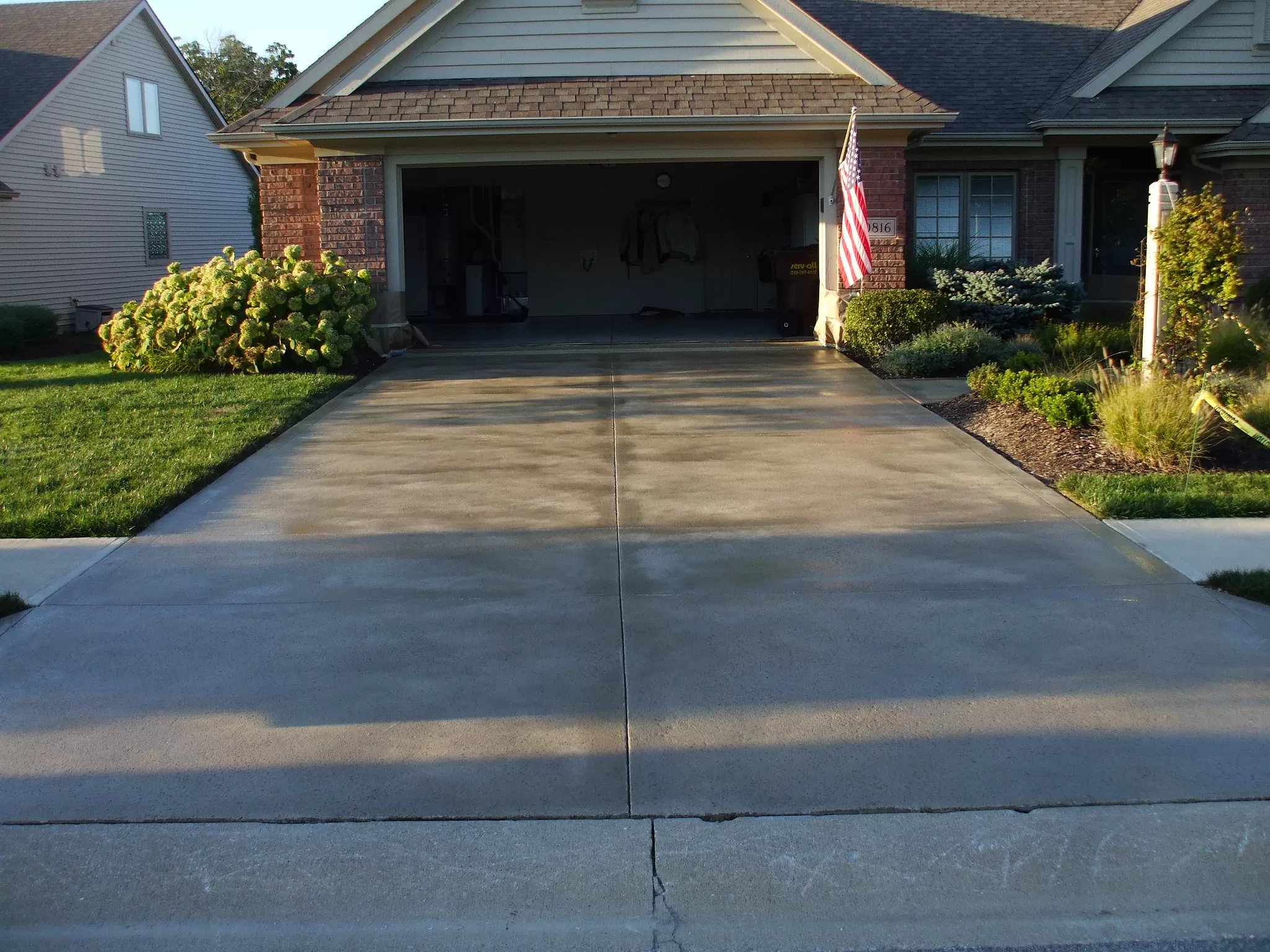
Site preparation serves as the foundation for any successful driveway project. Williams notes that professionals must evaluate slope, soil conditions, and existing grade to prevent structural failure. A driveway designed for passenger vehicles requires different specifications than one intended to support heavy trailers or recreational vehicles, as uneven loads can lead to premature cracking if the concrete thickness is not adjusted accordingly.
Water management remains a critical design factor. Proper grading ensures rain and snowmelt move away from the home, while control joints help the material manage natural expansion and contraction caused by local climate fluctuations. Once the pour is complete, the curing phase requires strict adherence to timelines; allowing vehicles on the surface too early compromises the concrete's final strength. Long-term performance relies on consistent maintenance, including regular cleaning and the application of sealants to block moisture and contaminants. By aligning finish choices and sealing schedules with the property's unique environment, owners can better protect their investment against the wear of freeze-thaw cycles and daily use.
Comments (0)
No comments yet. Be the first!