
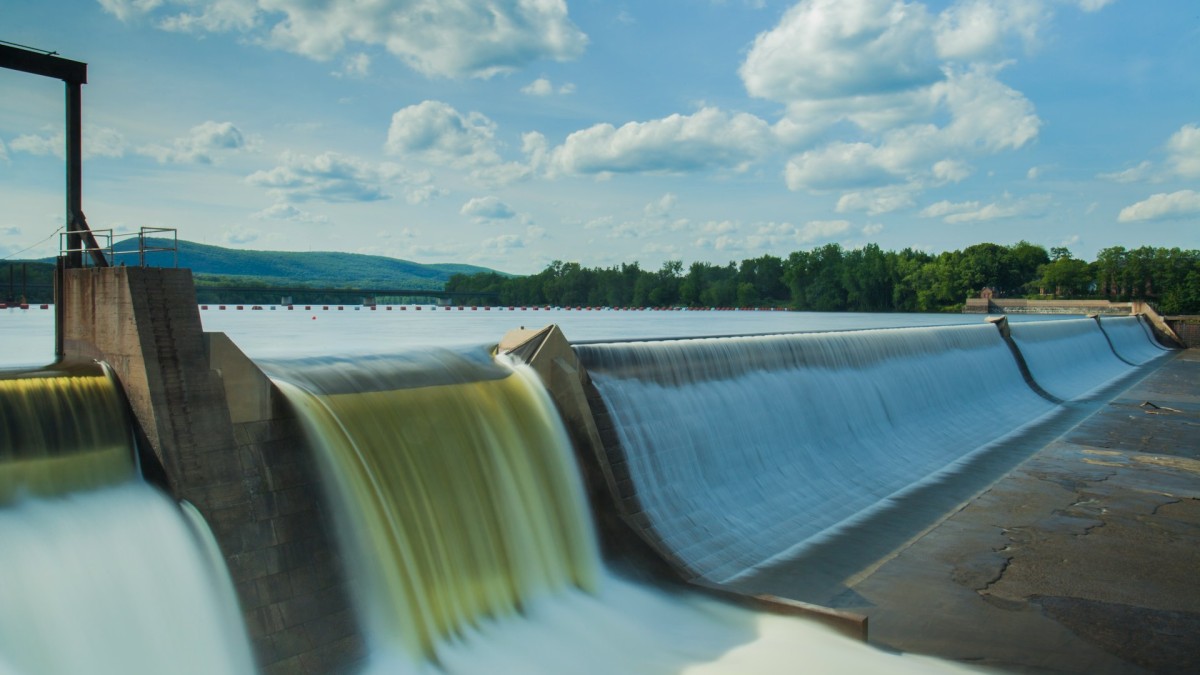
Researchers utilized a proprietary software tool, HydroGenerate, to analyze water flow data and turbine performance across the country. Unlike previous assessments, this model accounts for the complex reality of existing infrastructure, including strict operational constraints like flood control and navigation. According to project lead Carly Hansen, these individualized limitations were previously ignored, leading to inaccurate potential estimates. The study highlights that the most viable candidates for retrofitting are federal facilities located primarily within the Great Lakes basin and the upper Mississippi River.
Currently, only 3 percent of U.S. dams produce electricity, leaving a vast resource untapped. To capitalize on this, the Department of Energy’s Hydropower and Hydrokinetic Office recently awarded $5.5 million to streamline the licensing process. The initiative enjoys rare bipartisan support, as lawmakers recognize that outdated regulations threaten roughly 16 gigawatts of existing capacity currently up for relicensing. By simplifying these bureaucratic hurdles, officials aim to lower costs for ratepayers while expanding clean energy access to regions historically underrepresented in the hydropower sector.
Comments (0)
No comments yet. Be the first!