
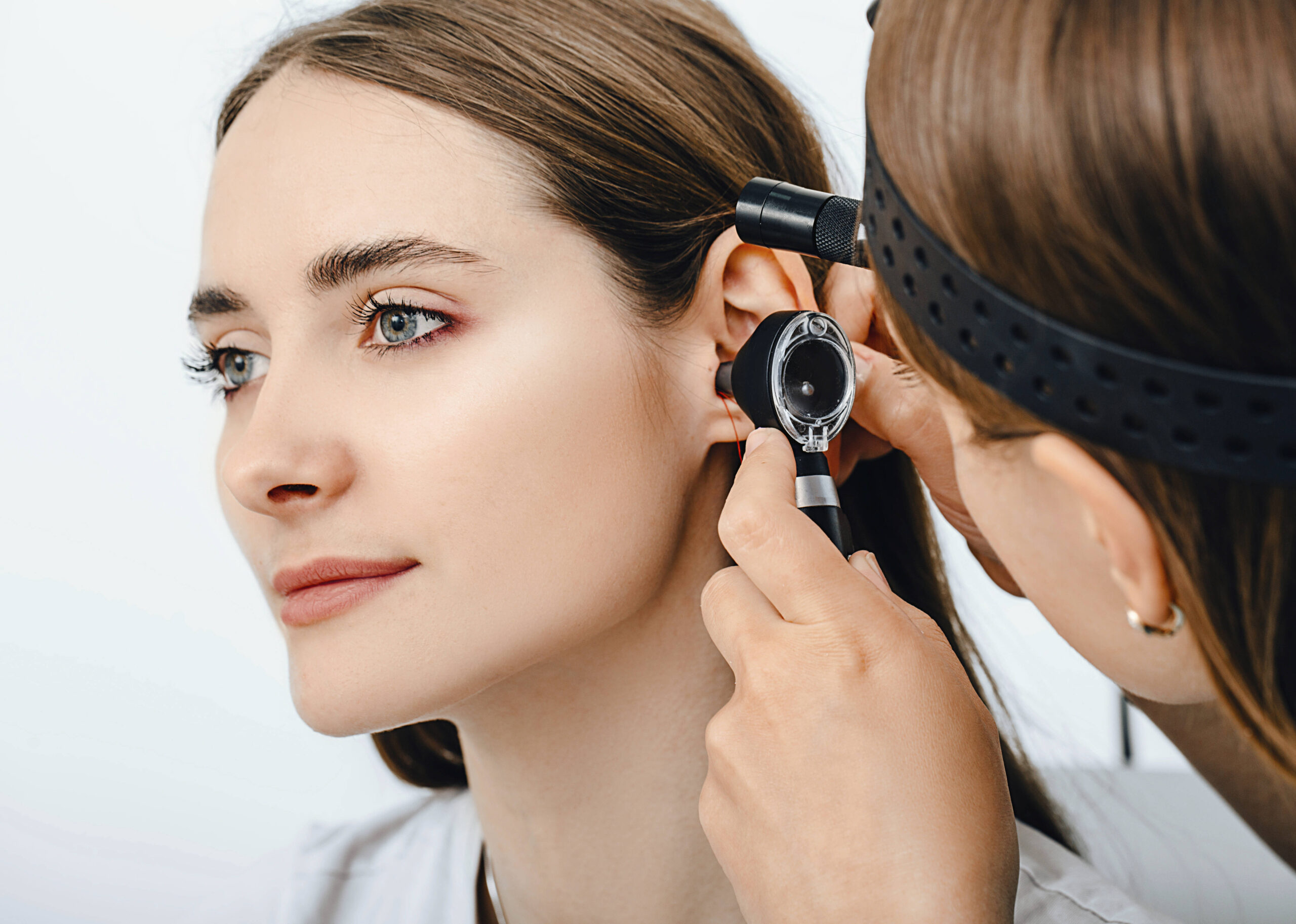
The vestibular system functions as the body's internal gyroscope, translating sensory input from the ears, eyes, and muscles into spatial awareness. When this system falters, patients experience vertigo or nausea, necessitating a formal evaluation. Dr. Welch notes that these sessions typically begin with a comprehensive medical history review, followed by a hearing assessment to rule out related auditory factors. Clinicians often employ specialized diagnostic tools, including infrared cameras to monitor involuntary eye movements and force platforms that measure postural stability during specific head movements.
While patients frequently express concern that these tests might trigger further dizziness, the procedures are noninvasive and generally conclude in under an hour. Beyond the diagnostic phase, the findings serve as the foundation for targeted treatment, which may range from vestibular therapy and balance-focused exercises to medical interventions for inner ear disorders. By demystifying these clinical steps, practitioners like Dr. Welch aim to help patients move past the anxiety of the unknown, ultimately reducing the risk of falls and restoring physical confidence through informed care.
Comments (0)
No comments yet. Be the first!