
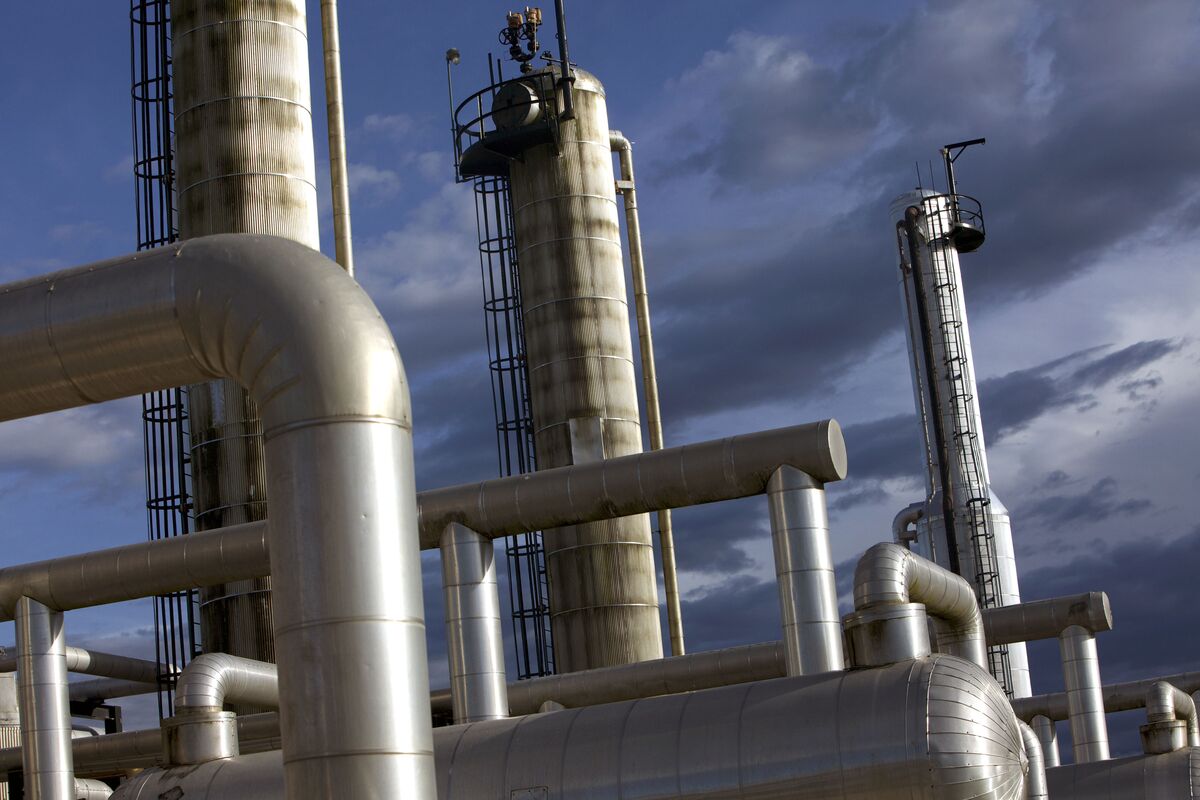
The current crisis marks a stark reversal from the era of Evo Morales, who leveraged fossil fuel revenues to slash poverty and anchor the currency. Miscalculations regarding the true extent of national gas supplies left the country ill-prepared for the current shortfall. With production stalling and no new major discoveries, the nation—which relies on gas for 70 percent of its electricity—is rapidly losing its ability to power its own economy. Luis Fernando Romero, a former head of a southern Bolivian economists' association, noted that the country failed to capitalize on its period of immense wealth to build a more resilient economic base.
To bridge the widening deficit, the government secured a $1.9 billion IMF loan finalized in early October. The deal demands painful structural adjustments, including the elimination of fuel subsidies that have long shielded households from global market volatility. President Rodrigo Paz faces a difficult path forward, as previous attempts to reduce subsidies triggered widespread protests and road blockades. While the administration has authorized the private sector to import refined fuels and boosted financing for fuel purchases, experts warn that Bolivia could transition into a net gas importer by 2030. Without a rapid pivot toward renewable energy and diversified industrial sectors, the country remains trapped in a cycle of borrowing to cover the costs of its own energy insecurity.
Comments (0)
No comments yet. Be the first!