
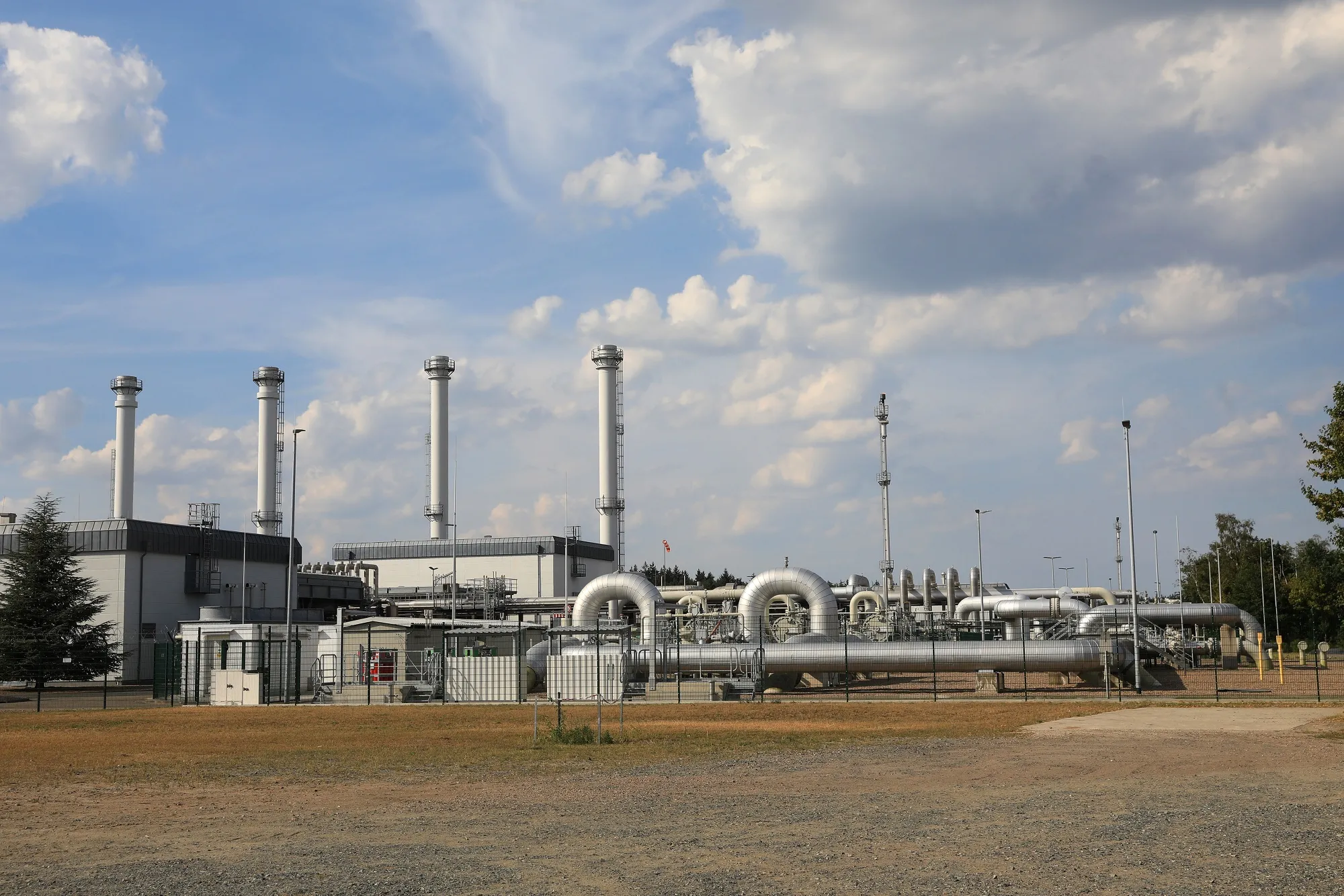
The current crisis stems from a convergence of unfavorable conditions. Summer heatwaves drove up electricity demand, while the closure of the Strait of Hormuz paralyzed key LNG shipments. Consequently, European benchmark prices at the Dutch Title Transfer Facility have climbed to their highest levels since 2023. While Europe now consumes 10–15% less gas than in 2021 due to increased renewable integration and industrial shifts, these efficiencies are proving insufficient to offset the supply void.
Data from Gas Infrastructure Europe indicates that storage sites are currently only 63% full, significantly trailing the five-year average. Analysts at ING warn that hitting even a modest 75% target by November 1 appears increasingly unlikely. The Netherlands has already signaled it will miss its mandated storage goals, highlighting the systemic strain. This inventory deficit leaves the continent vulnerable to price volatility, as forced spot-market buying threatens to push costs even higher.
Energy consumers are beginning to feel the impact. In the United Kingdom, the energy regulator has raised household price caps by 4% for the final quarter of the year, pushing bills to a three-year high. Experts suggest that if flows through the Strait of Hormuz remain restricted, Europe faces a prolonged period of elevated electricity costs. For now, the region remains heavily reliant on just-in-time LNG imports, leaving policymakers with little choice but to hope for a historically mild winter to avoid a catastrophic shortfall.
Comments (0)
No comments yet. Be the first!