
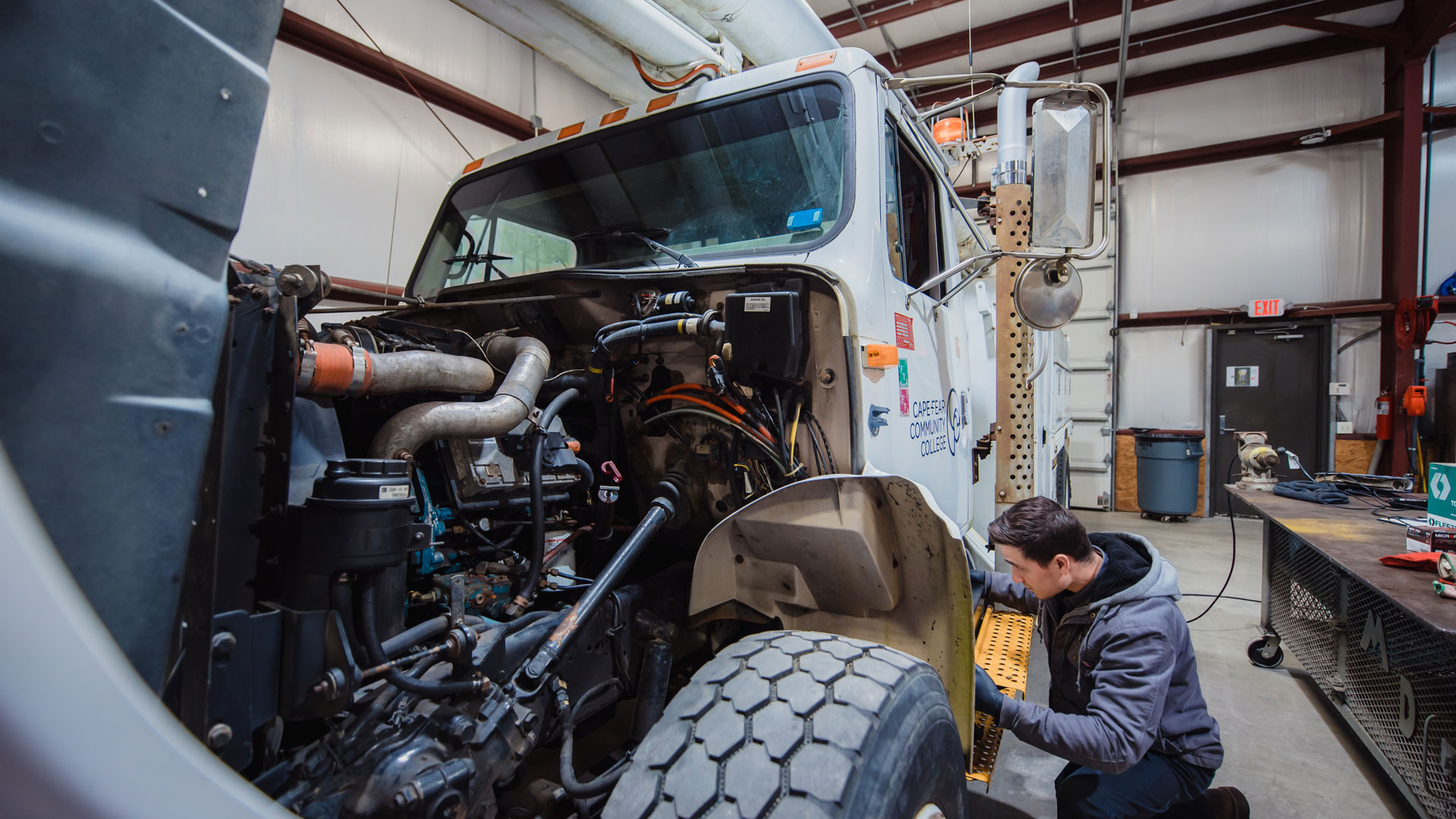
Modern vehicles are no longer purely mechanical; they rely on advanced sensor arrays, complex electrical systems, and precise computer programming. Martin notes that ASE-certified professionals distinguish themselves by adhering to national standards that require regular testing and continuous education. This rigorous process ensures technicians remain proficient with evolving diagnostic tools and manufacturer-specified repair procedures.
Certified mechanics move beyond the inefficient trial-and-error approach often seen in less regulated shops. By utilizing structured diagnostic protocols, they identify the root cause of performance issues more effectively, which prevents unnecessary part replacements and costly mistakes. This technical discipline translates directly into financial savings and improved vehicle safety for the consumer.
Beyond technical proficiency, certification often correlates with a higher standard of business practice. Shops that prioritize these credentials typically invest more heavily in professional equipment and transparent communication. Martin highlights that when a technician is trained to document repairs according to factory standards, it creates a more reliable service history, often simplifying interactions with insurance providers and vehicle manufacturers. For drivers who depend on their daily transportation, choosing a certified professional acts as a safeguard against guesswork and helps foster a more transparent, predictable repair experience.
Comments (0)
No comments yet. Be the first!