
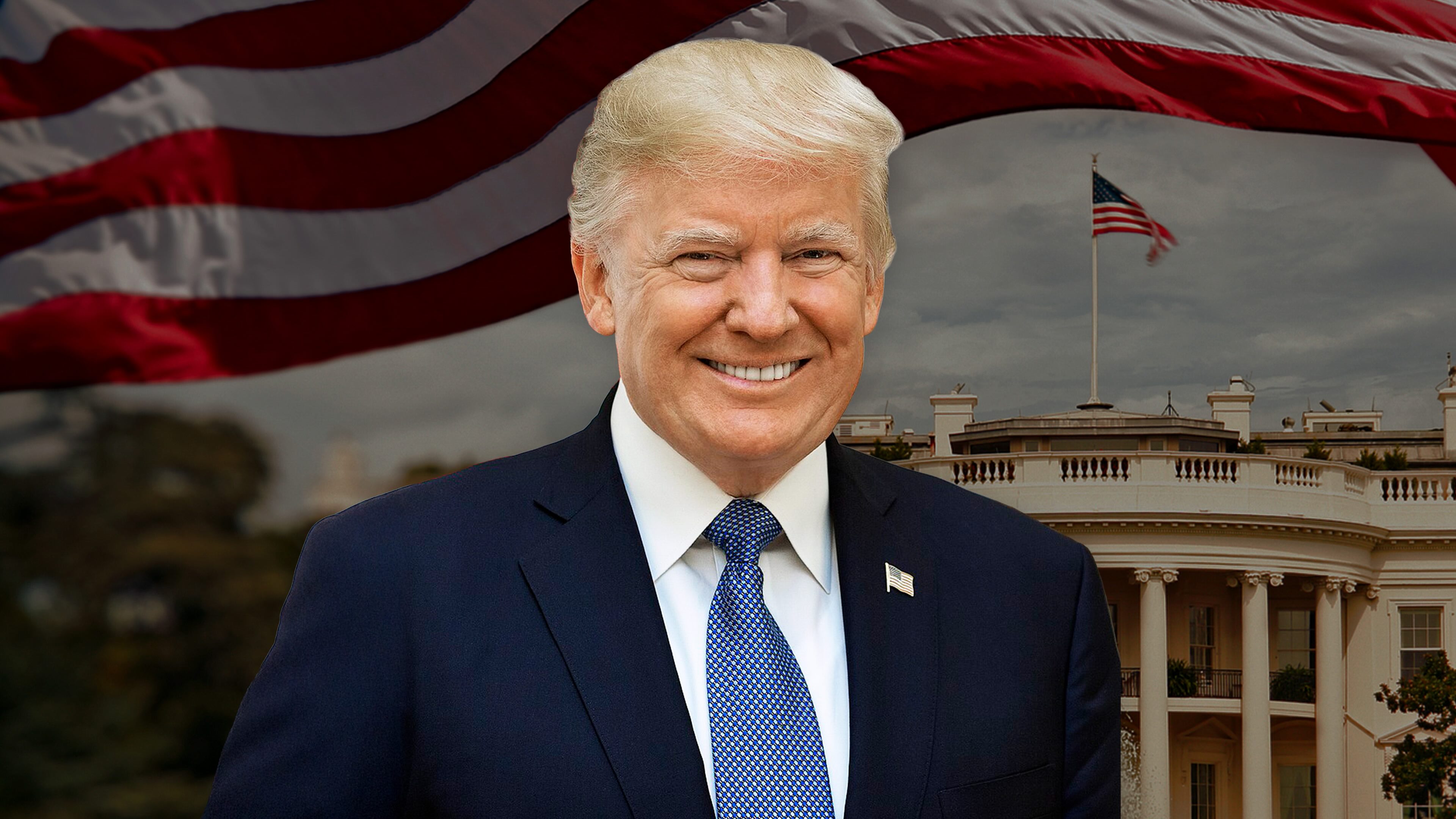
The U.S. has effectively halted peace talks, enforcing a naval blockade in the Gulf of Oman that has paralyzed Iranian crude exports. President Donald Trump, framing the Strait of Hormuz as U.S. territory, asserts that no commercial vessels will transit the route without American authorization. Washington has bolstered this maritime control with a policy dubbed 'Economic D-Day,' which threatens secondary sanctions against any nation facilitating Iranian financial or business networks. U.S. Energy Secretary Chris Wright confirmed that U.S. forces have already intercepted and boarded numerous commercial vessels to enforce these restrictions.
Tehran has responded by categorizing the blockade as a formal declaration of war. National Security Council Secretary Mohsen Rezaei warned that regional neighbors cooperating with the U.S. will be treated as direct adversaries. Meanwhile, Iranian officials are demanding the total withdrawal of U.S. forces and the lifting of all sanctions as a precondition for resuming shipping. Seeking to formalize its own influence, Iran is reportedly negotiating a sovereign pact with Oman that would impose a 5% to 7% transit fee on all cargo passing through the chokepoint.
While speculation persists regarding the potential for extreme military escalation, sources close to the Trump administration suggest that recent rhetoric surrounding tactical nuclear options is limited to theoretical wargaming scenarios. Instead, the U.S. appears focused on a strategy of sustained pressure, aiming to force Beijing to reconsider its support for Tehran. Treasury Secretary Bessent has signaled a 'one-two punch' approach, combining the naval blockade with unprecedented financial sanctions intended to collapse the current Iranian regime while pressuring China to prioritize Gulf energy security over its existing ties to Iran.
Comments (0)
No comments yet. Be the first!