
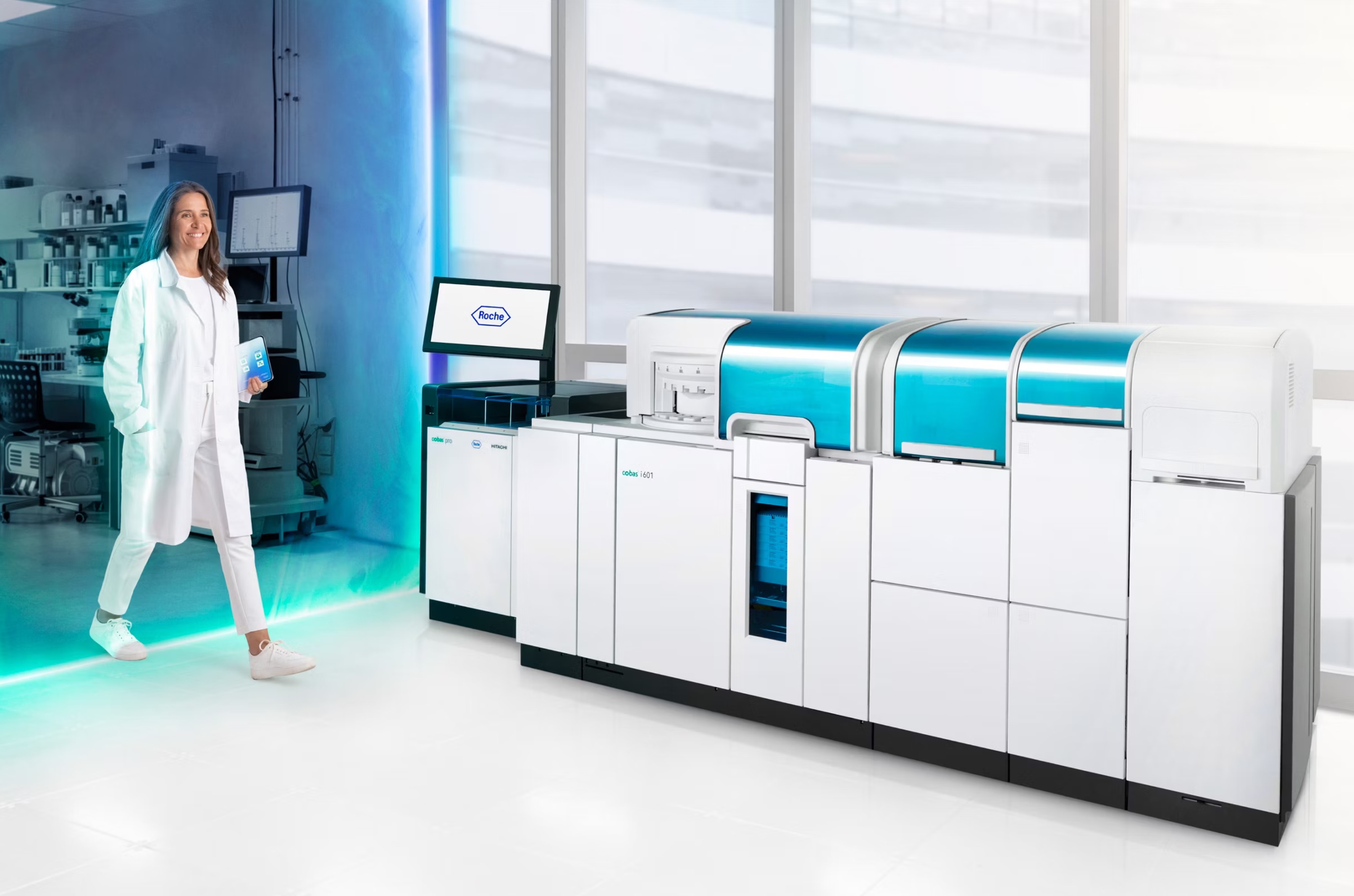
Developed in partnership with Eli Lilly and Company, the test aims to bridge the gap between initial symptom onset and clinical diagnosis. By utilizing Roche’s network of more than 4,500 cobas laboratory instruments across the United States, the assay provides a scalable, minimally invasive option that can be integrated into existing hospital and clinic workflows. It categorizes results as positive, intermediate, or negative, helping clinicians determine whether patients require further evaluation such as PET imaging or cerebrospinal fluid analysis.
This clearance is particularly significant given that an estimated 75% of individuals living with dementia remain undiagnosed, often facing years of uncertainty before reaching a specialist. By providing consistent clinical cutoffs for both rule-in and rule-out assessments, the test is designed to reduce the reliance on costly, hard-to-access procedures. According to Dan Malarek, President and CEO of Roche Diagnostics North America, the tool marks a shift in Alzheimer’s management, potentially allowing for earlier intervention and more informed decision-making for patients and their families.
Comments (0)
No comments yet. Be the first!