
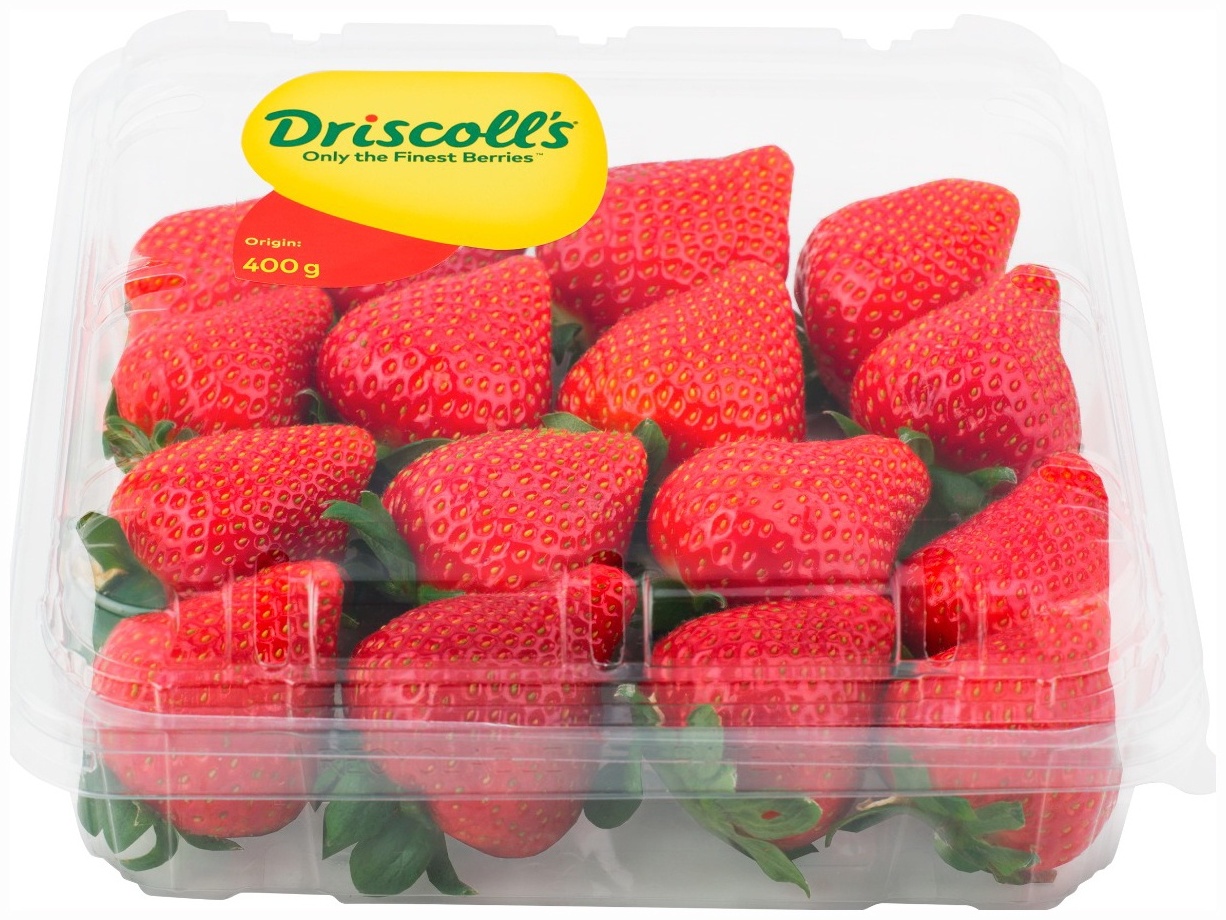
The legal action, brought by Toxin Free USA, the Organic Consumers Association, and Beyond Pesticides, focuses on the gap between Driscoll’s marketing imagery and its agricultural reality. While the company promotes its berries as “grown outside in a dynamic biological environment,” the lawsuit alleges many facilities function as industrial sites encased in plastic, with berries grown in coconut husk substrates rather than natural soil. Lab tests cited in the complaint indicate these berries are contaminated with polyethylene and polycarbonate microplastics.
Beyond production methods, the suit highlights the proximity of Driscoll’s fields to schools in Watsonville, California. State records show the company utilizes at least 12 carcinogenic pesticides, including 1,3-dichloropropene—a fumigant banned in the European Union. Air monitoring at a local school allegedly detected 1,3-D levels exceeding state cancer risk thresholds. With local childhood cancer rates reported at 36% above the California average, advocates argue that the company’s public sustainability claims are a form of greenwashing designed to obscure the reality of their environmental footprint. The plaintiffs are not seeking monetary damages, instead focusing on a court-ordered end to what they describe as misleading advertising practices under the D.C. Consumer Protection Procedures Act.
Comments (0)
No comments yet. Be the first!