
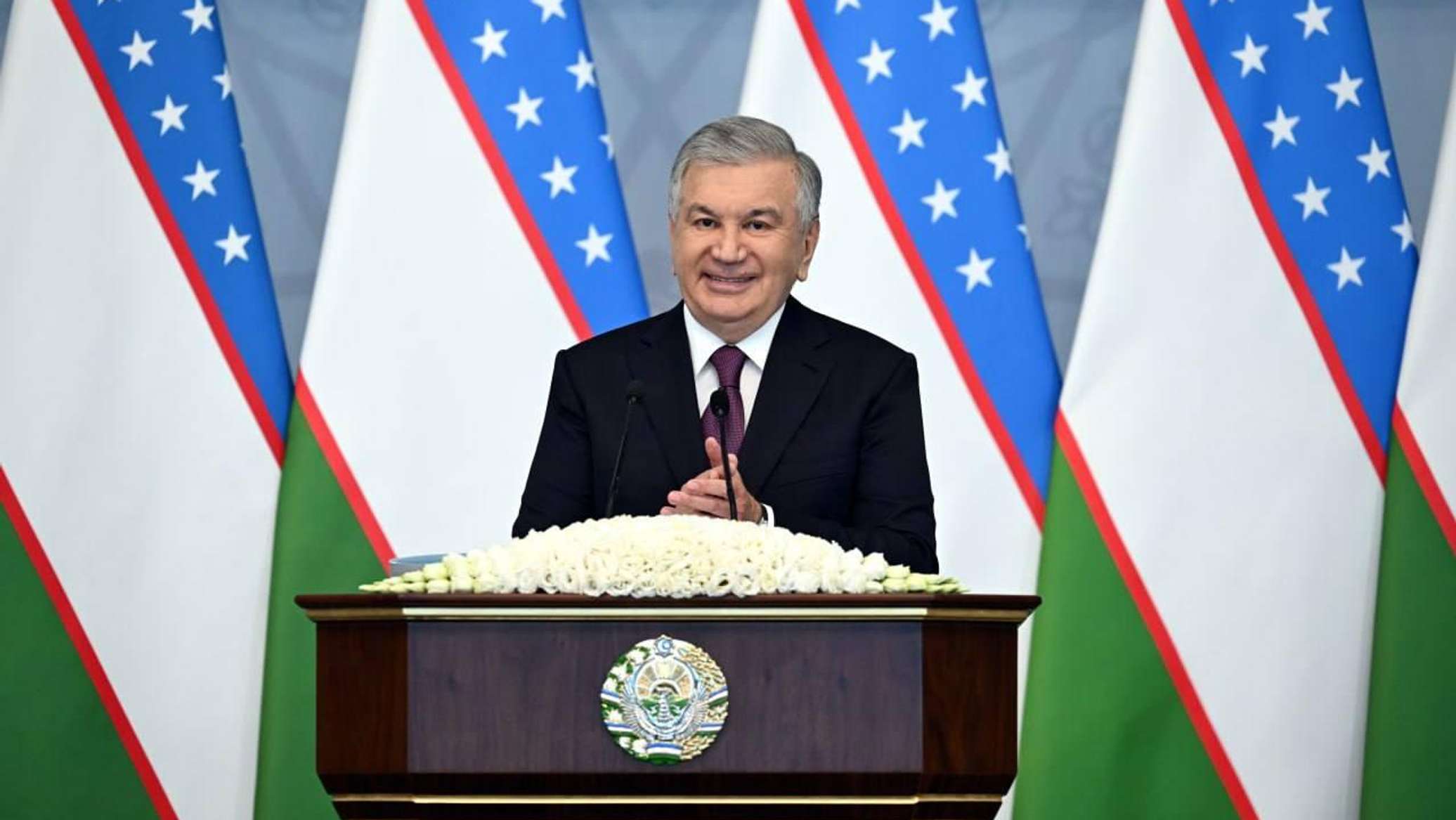
The transformation under President Shavkat Mirziyoyev has been profound. Since 2016, Uzbekistan has aggressively liberalized its foreign-exchange regime, slashed trade barriers, and resolved long-standing border disputes with its neighbors. These reforms have translated into tangible growth: real GDP climbed 7.7% in 2025, and foreign direct investment surged to $43 billion. With a population of nearly 40 million, half of whom are under 30, the country is positioning itself as an essential node for trade routes connecting China, Europe, and the Persian Gulf.
A Strategic Economic Partnership
Washington’s goal should be to provide Tashkent with meaningful alternatives to dependence on Beijing or Moscow. Through the newly launched U.S.–Uzbekistan Joint Investment Platform and partnerships in critical minerals, the U.S. is finally offering the capital and technical expertise Uzbekistan requires to move up the value chain. While challenges remain—specifically regarding state-dominated industries and the need for deeper political reform—the trajectory is clear. By repealing the outdated Jackson-Vanik Amendment and supporting Uzbekistan’s WTO accession, the U.S. can move beyond transactional diplomacy. A prosperous, independent Uzbekistan serves as a stabilizer in a volatile region, offering a model of sovereignty that relies on diversified economic ties rather than exclusive geopolitical loyalty.
Comments (0)
No comments yet. Be the first!