
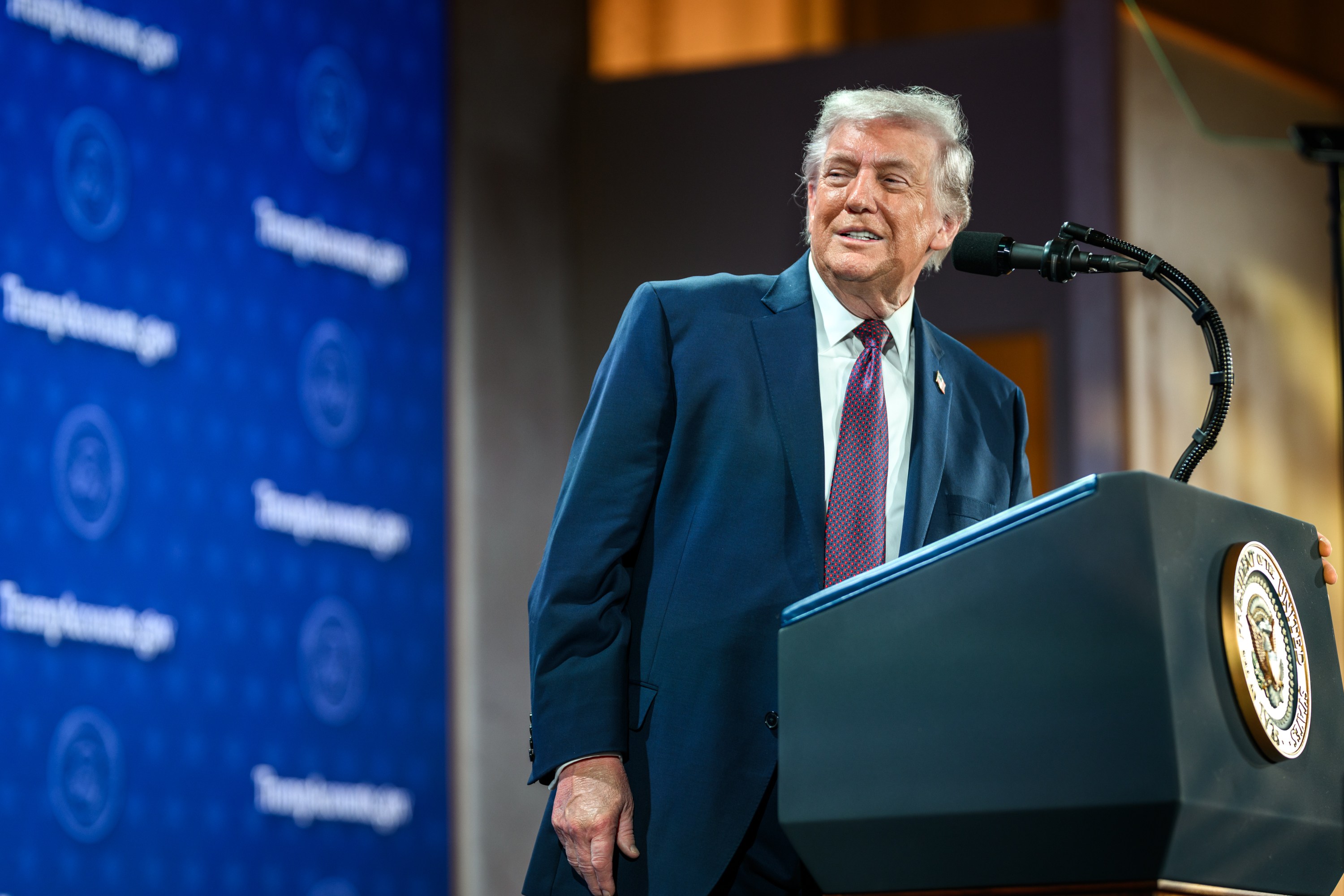
The legislation provides the White House with vast discretionary power to impose 500% tariffs on residual Russian imports and target the so-called shadow fleet of tankers. By focusing these economic penalties on the top five global buyers of Russian crude—including China, India, and Turkey—Trump is effectively pressuring these nations to coerce Moscow into peace negotiations. For Washington, the strategy serves a dual purpose: securing a signature foreign policy legacy by ending the Ukraine conflict and preventing Iran from acquiring nuclear weapons. The administration views the military and economic partnership between Moscow and Tehran as a single knot that must be untied to maintain U.S. strategic dominance.
Domestic political pressures, including the upcoming November Mid-Term elections, remain a secondary concern for the White House. While high energy prices typically threaten an incumbent's standing, the administration has signaled a willingness to absorb potential electoral losses to pursue these national security objectives. Should Congress attempt to restrict funding for operations in Iran, the President retains the authority to declare a national state of emergency, allowing for the unilateral reallocation of construction budgets to military needs. This legislative framework essentially codifies a ‘peace through strength’ doctrine, granting the President the flexibility to bypass traditional legislative hurdles while forcing global powers to choose between continued support for sanctioned regimes and access to the U.S. financial system.
Comments (0)
No comments yet. Be the first!