
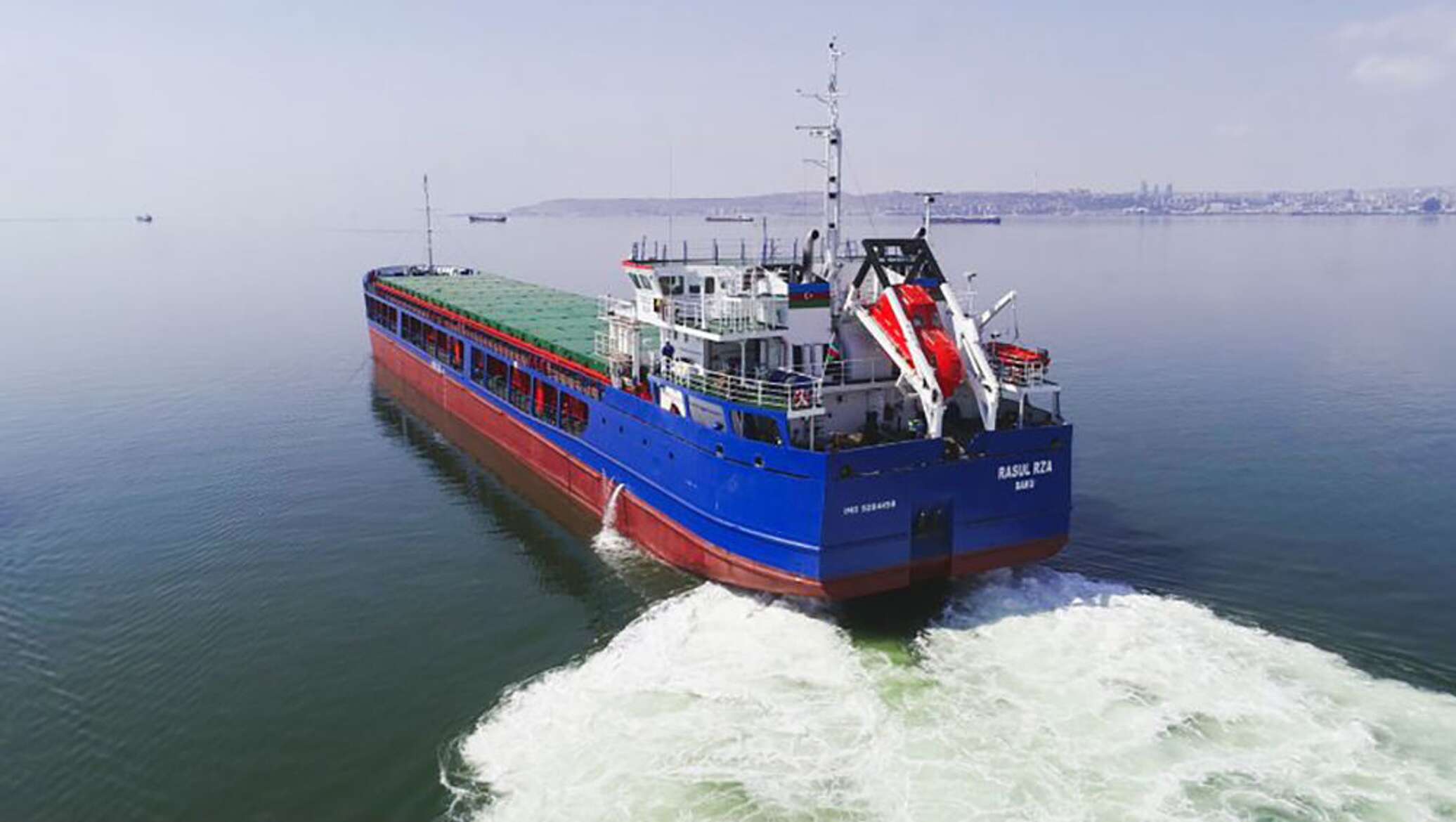
Moscow and Tehran are increasingly leveraging the inland sea to move cargo, effectively bypassing maritime choke points where Western navies exert influence. While the exact contents of these shipments remain obscured by limited transparency, analysts suggest the route facilitates a reciprocal military exchange. Russia relies on Iranian drones and technology, while Iran seeks to replenish capabilities depleted during recent regional escalations.
Strategic geography dictates the route's value. Unlike Mediterranean lanes vulnerable to interception, the Caspian remains a protected bastion. Russian ports such as Olya and Astrakhan serve as primary departure points for what experts describe as a stealthy, high-volume supply network. This infrastructure allows for the movement of goods that are difficult to track via traditional maritime intelligence.
Despite the perceived security of this corridor, it is not entirely immune to external pressure. Ukraine has begun extending its long-range strike capabilities into the northern Caspian region, including recent operations in Dagestan. A strike on an Iranian commercial vessel last month signaled a growing willingness by Kyiv to disrupt these logistics, forcing both Russia and Iran to confront the reality that even their most secluded supply routes may eventually fall within the scope of the war's reach.
Comments (0)
No comments yet. Be the first!