
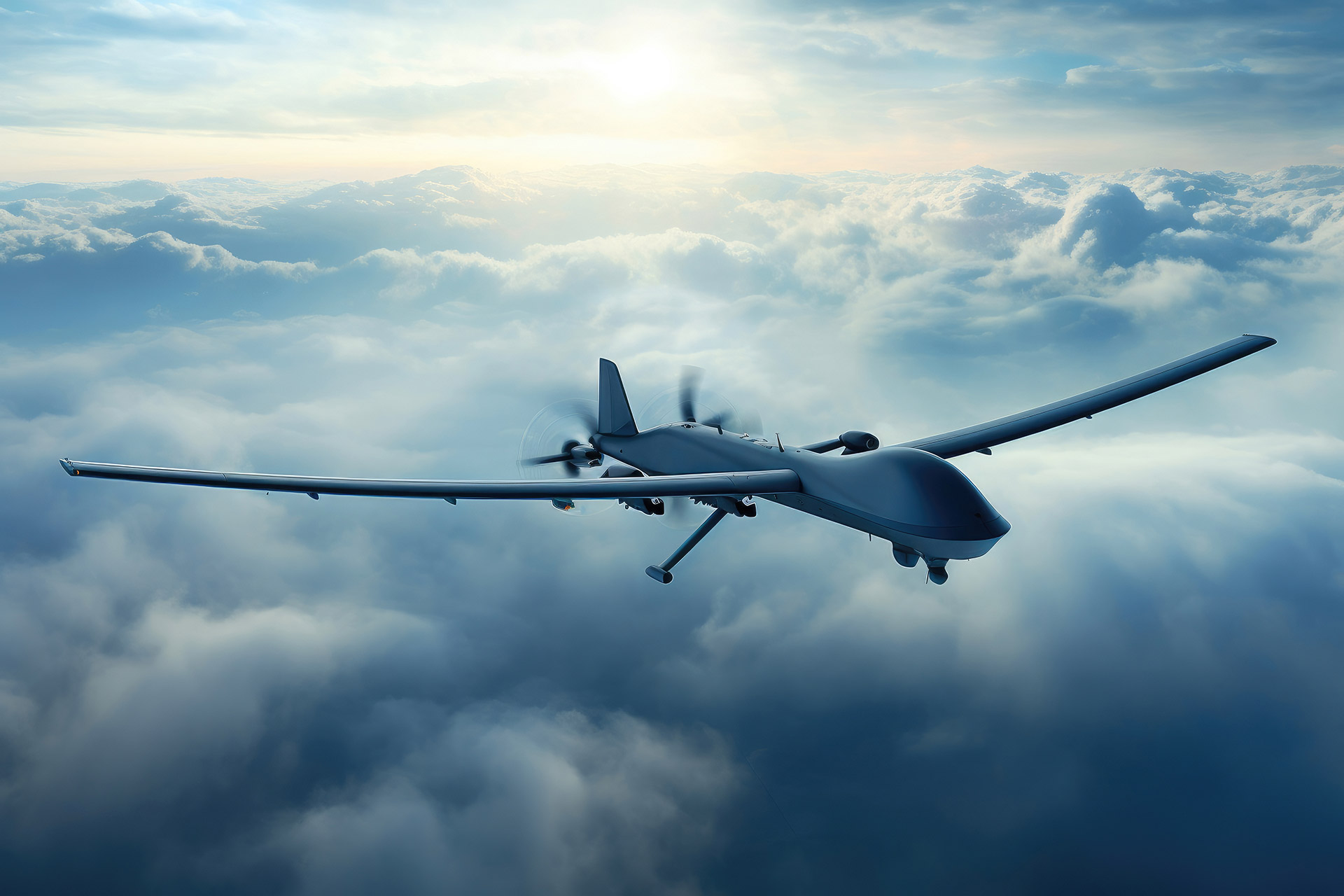
The NetSense™ Airspace Awareness-as-a-Service™ platform functions by utilizing AI to monitor radio frequency disturbances across current 5G network spectrums. During a live test in Miami this July, the system identified and tracked drones in real-time, proving that mobile networks can serve as an intelligent sensing fabric. This approach bypasses the need for massive capital investment in new cellular infrastructure, as it relies on software-defined capabilities to detect low-altitude threats.
The system integrates ODC's AI-native Radio Access Network software with NVIDIA's AI Aerial platform to analyze signal data instantaneously. By processing these disturbances, Lockheed Martin’s algorithms can predict flight paths and trigger alerts. Because the architecture is open and based on commercial off-the-shelf technology, it offers a scalable alternative to traditional, custom-built security solutions. Stakeholders suggest this model will evolve alongside future 6G Integrated Sensing and Communication standards, providing an immediate upgrade to current security operations.
Lockheed Martin plans to offer NetSense as a subscription service, with pilot deployments scheduled for late 2026 and early 2027. General availability is targeted for later in 2027, initially focusing on customers with urgent security requirements. By leveraging existing telecommunications footprints, the collaboration seeks to address the growing challenge of monitoring affordable and increasingly pervasive drone technology near stadiums, power plants, and airports.
Comments (0)
No comments yet. Be the first!