
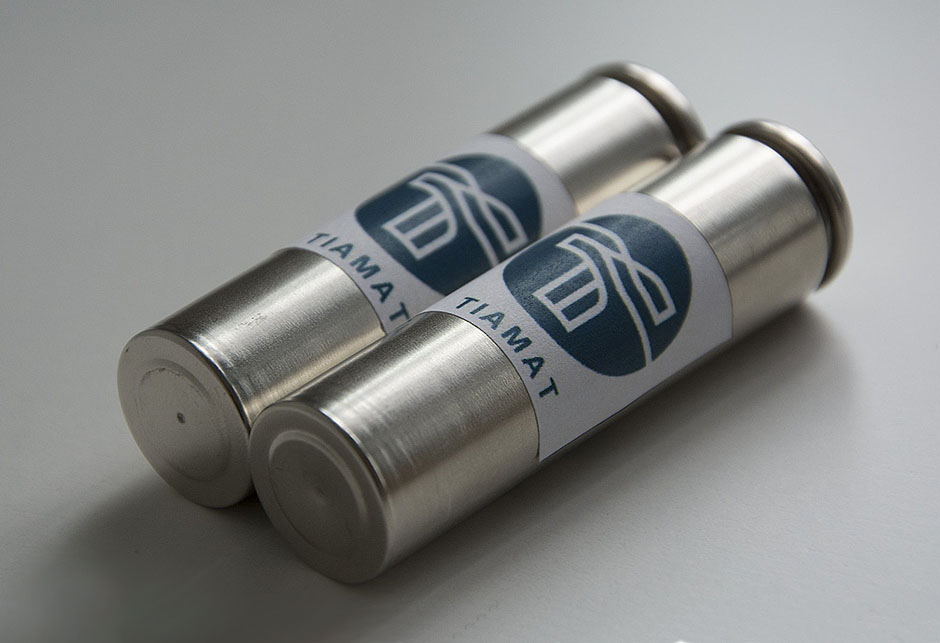
The Hina Battery system, which powers the new mining vehicle, boasts an energy density of 165 Wh/kg and a rapid recharge time of 20 to 25 minutes. Although sodium-ion technology faces technical hurdles—specifically reduced lifespan and mechanical stress on electrodes caused by larger ionic radii—developers are reporting significant durability milestones. The truck's battery is rated for 8,000 charge cycles, placing it on par with the operational lifespan of traditional heavy-duty mining equipment.
In the United States, interest is driven by a desire to decouple from China-dominated mineral supply chains. Startups like Peak Energy are targeting the utility-scale storage market, positioning sodium-ion systems as a safer, cheaper alternative to Tesla-dominated lithium setups. The surge in data center construction, coupled with persistent grid connection delays, has created a critical demand for reliable on-site storage. While lithium-ion is not yet at risk of being unseated, the push for technological diversification is gaining momentum as engineers work to balance cost, safety, and energy density.
Comments (0)
No comments yet. Be the first!