
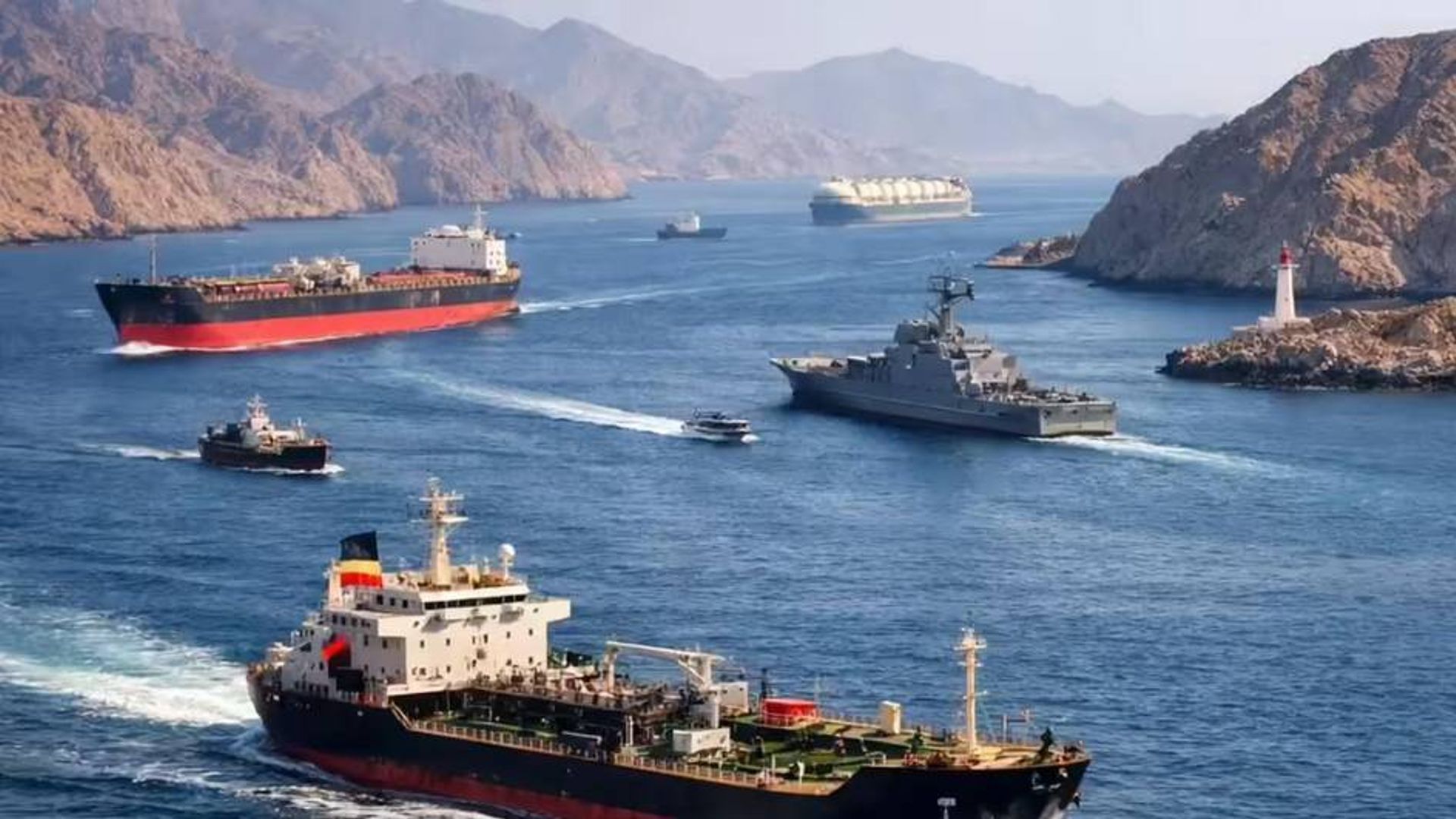
For decades, the global energy system operated under the premise that the Strait of Hormuz would remain an open, reliable corridor. Recent disruptions have effectively dismantled that certainty. While physical flows of oil have largely recovered, the confidence that underpinned those flows has not. Iran has demonstrated that it does not need to permanently close the waterway to exert influence; it only needs to introduce enough uncertainty to drive up insurance premiums, deter investment, and force a re-evaluation of risk.
This shift mimics the Second Law of Thermodynamics: once an ordered system is disturbed, it never returns to its original state. Instead, it reorganizes into a new equilibrium. As capital markets begin to factor this geopolitical volatility into long-term planning, geography is becoming a core component of production economics. Regions with lower geopolitical exposure, such as the Atlantic Margin—including Brazil, Guyana, and the United States—may see their strategic value climb, not because their geology has improved, but because their resilience now offers a tangible financial advantage.
This transition will be gradual rather than immediate. Gulf producers remain indispensable due to their massive, low-cost resource base, and the market for energy is far too complex for a sudden, wholesale flight of capital. However, the framework for evaluating energy investments has permanently changed. Resilience is no longer a secondary concern; it is now a fundamental metric that will dictate where the next generation of energy capital flows.
Comments (0)
No comments yet. Be the first!