
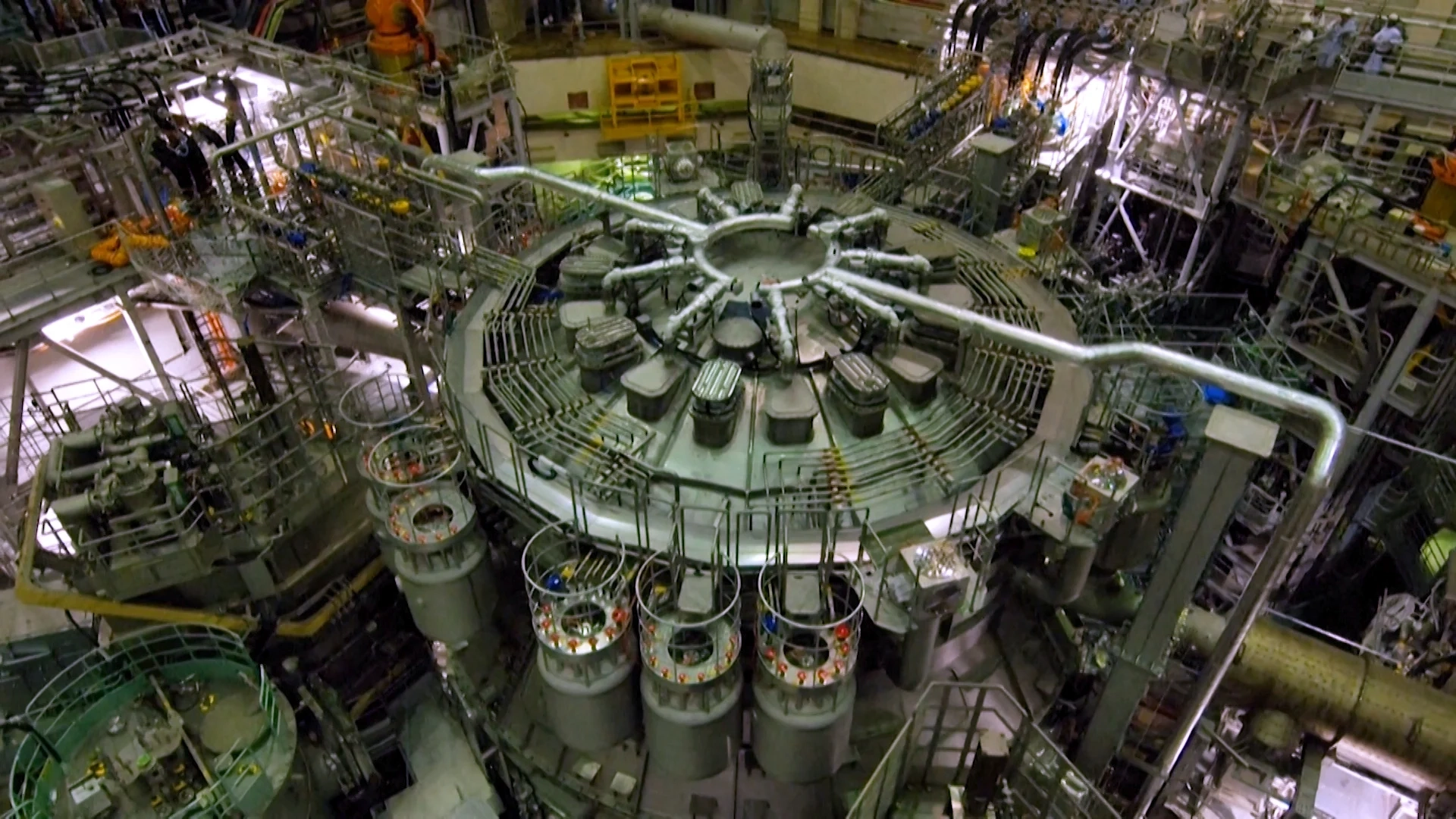
The findings, published in Nature Communications, address a fundamental hurdle in fusion energy: the massive energy inputs required to sustain extreme temperatures. By facilitating fusion at lower heat thresholds, this approach could bypass the net-negative energy production that has long plagued the sector. Arun Persaud, head of the Fusion Science & Ion Beam Technology group at Berkeley Lab, notes that this creates a new variable for engineers, potentially enabling more compact and efficient neutron generators for medical imaging and planetary science.
This advancement arrives alongside the integration of artificial intelligence in materials science. Researchers at Ames National Laboratory are developing an AI tool dubbed DuctGPT, which combines language modeling with physics simulations to identify suitable reactor materials. By feeding new experimental data into such systems, scientists can accelerate the discovery process. This cycle reflects a broader trend where AI is being leveraged to solve the very energy demands it creates, aligning with calls from industry leaders like OpenAI CEO Sam Altman to prioritize fusion investment as a solution to long-term energy security.
Comments (0)
No comments yet. Be the first!