
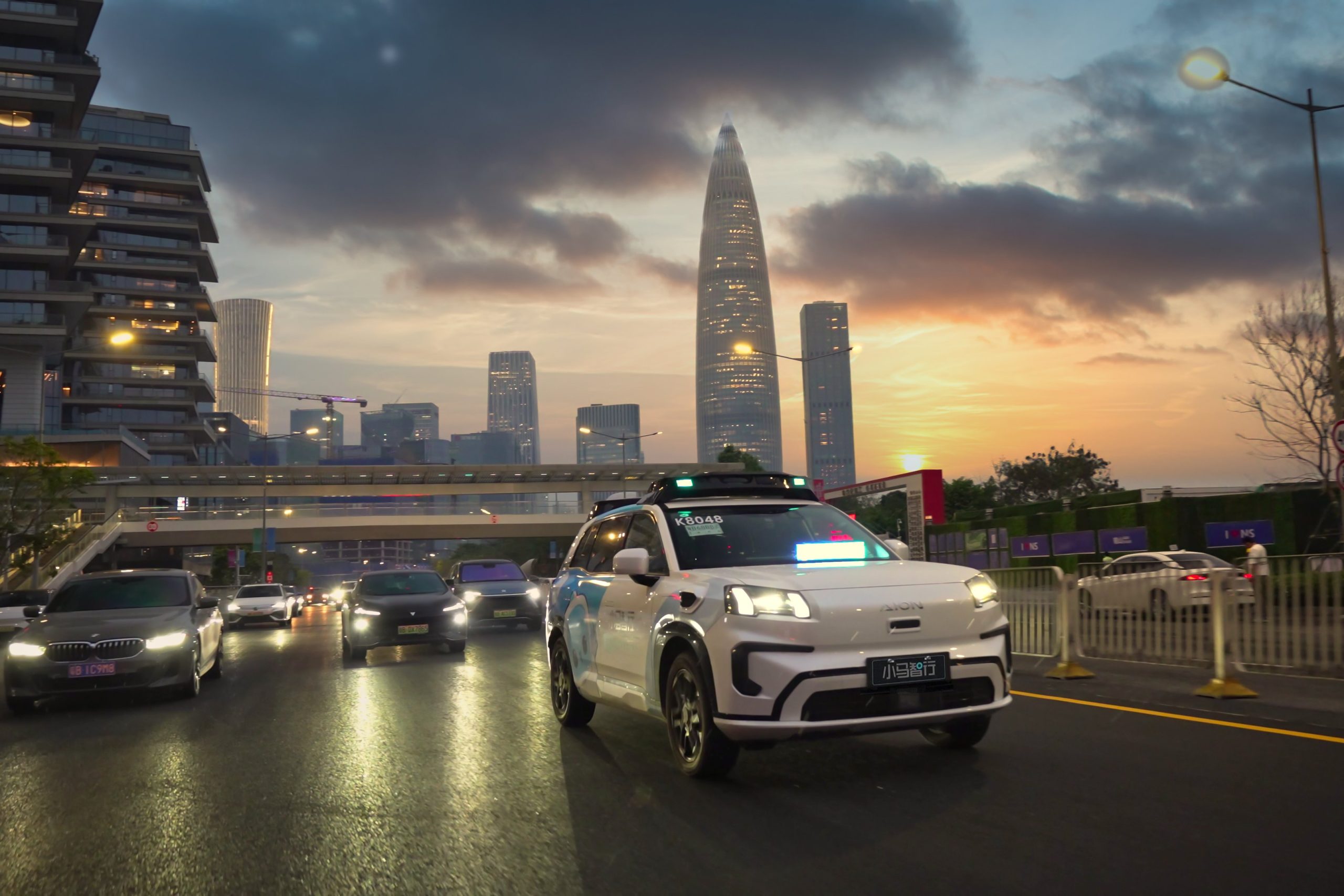
The company’s roadmap centers on two distinct vehicle platforms designed for different segments of the logistics chain. Heavy-duty trucks, developed in partnership with manufacturers like SANY Truck, are intended for highway freight, bulk commodity transport, and port operations, with Shenzhen’s Mawan Port serving as a primary deployment site. Simultaneously, Pony.ai is scaling light-duty trucks for urban distribution, co-developed with CATL to handle complex city environments. These smaller units are expected to reduce operating expenses by 40% to 50% compared to traditional human-driven logistics.
Economic viability remains the primary engine for this expansion. The latest Gen-4 heavy-duty platform has achieved a 70% reduction in hardware costs compared to its predecessor, a milestone that finally justifies mass production. As of early 2026, the company’s Robotruck division reported US$10.2 million in quarterly revenue, reflecting a 31% year-over-year increase. To manage this growth, the firm is pivoting toward an Autonomous Driving-as-a-Service model, where logistics partners own and operate the fleets while Pony.ai supplies the software and technical infrastructure. This strategy allows the company to integrate its technology into existing supply chains without assuming the role of a traditional freight carrier.
Comments (0)
No comments yet. Be the first!