
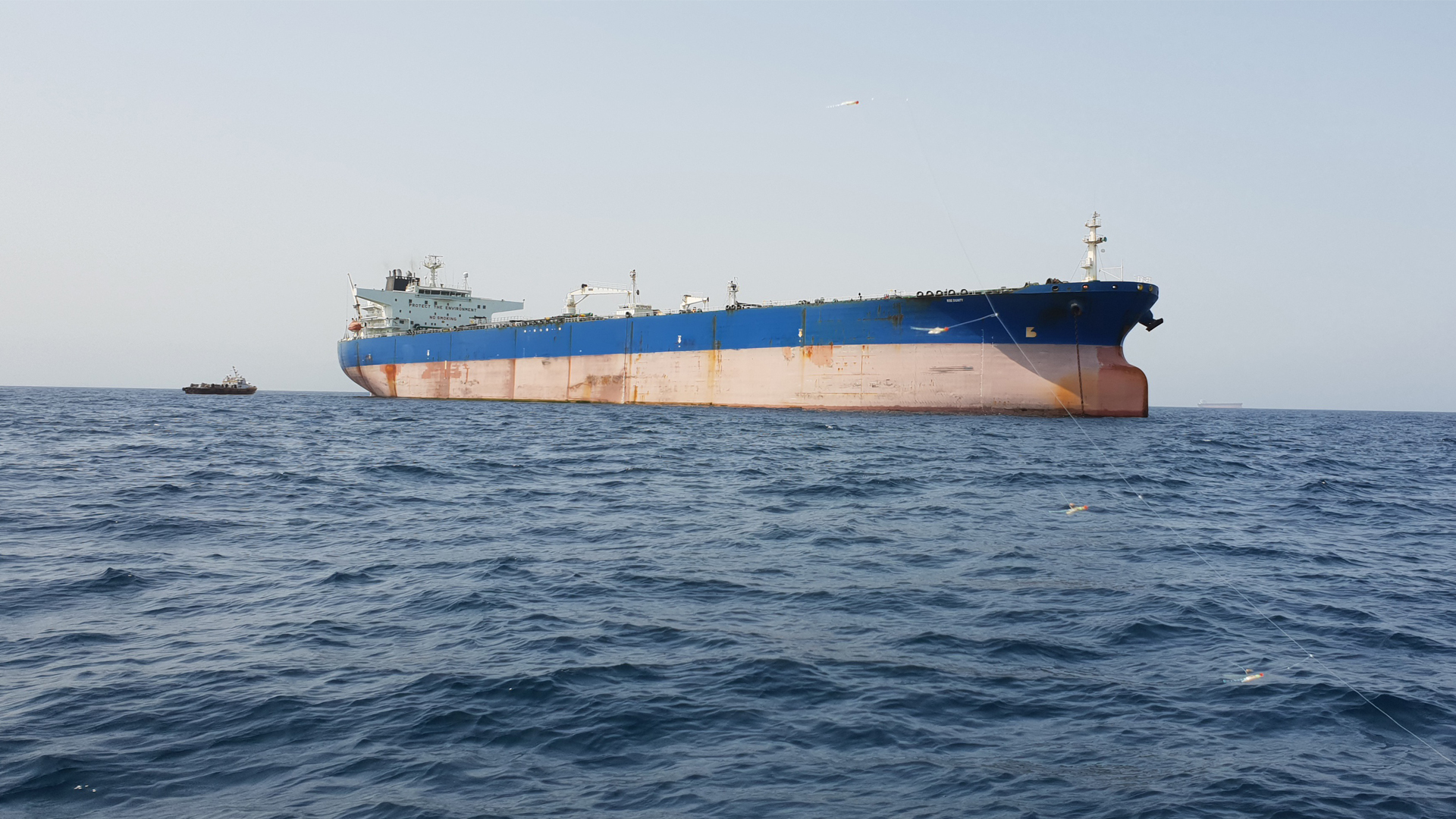
The proposed arrangement would bifurcate maritime traffic, directing inbound vessels through Iranian-controlled waters while outbound tankers navigate via Omani-administered routes. This framework revives elements of a collapsed June memorandum, attempting to stabilize a shipping lane that has seen daily transits plummet from roughly 140 to just eight vessels since the conflict began on February 28.
Financial friction remains the primary sticking point. Tehran is pressing for transit fees between 5% and 7% of total cargo value, significantly higher than the 3% charge proposed by Oman. The Trump administration has signaled firm opposition to any agreement that mandates payments to Iran for passage through historically international waters. Market volatility reflects this uncertainty; Brent crude recently hovered near $80 per barrel as persistent attacks on commercial shipping continue to bypass diplomatic progress. Recent strikes against an Indian-flagged vessel and the Saudi tanker Wafa underscore the fragile security environment, leaving regional energy exports in a state of suspended animation.
Comments (0)
No comments yet. Be the first!