
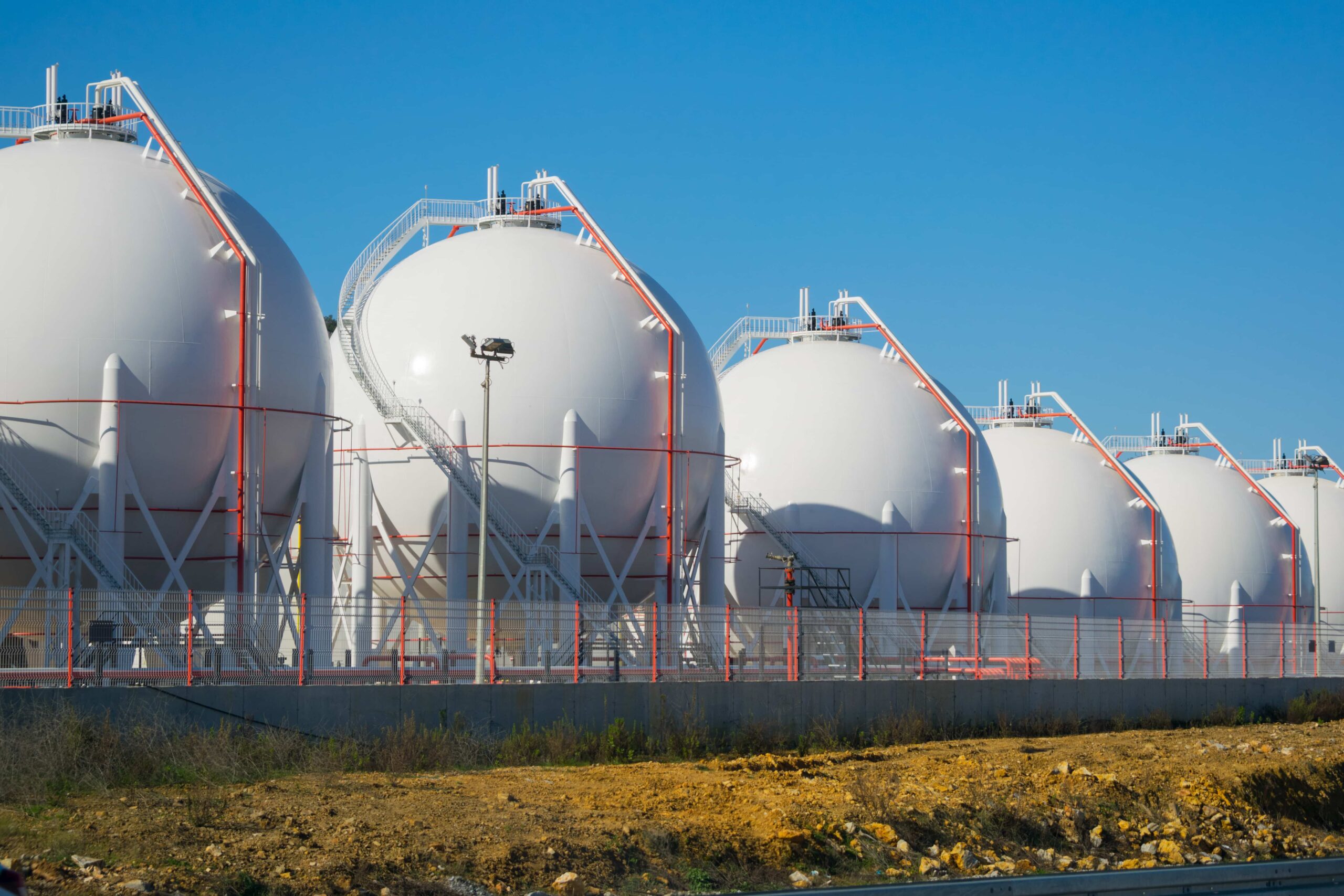
The government plan targets a decade-long expansion aimed at insulating the nation from supply shocks. Officials are weighing a levy of 1.29 rupees per kilogram of LPG and 1.43 rupees per standard cubic meter of natural gas to finance facilities for LNG and LPG. While the federal government continues to fund crude oil reserves directly, these new charges would shift the infrastructure burden onto domestic consumers.
Expanding capacity is a priority for the administration as India currently holds less than 10 days of emergency fuel reserves. By comparison, Japan and South Korea maintain roughly 100 days of coverage. The ambitious project envisions creating enough capacity to satisfy two months of crude and LNG demand, alongside six weeks for LPG.
Cabinet approval remains pending as ministers navigate the political sensitivity of raising energy costs. Prime Minister Narendra Modi faces a delicate balancing act, though the government has historically navigated similar fuel subsidy reforms. The $42 billion investment includes construction of 28 million metric tons of crude storage, 9 million tons for LNG, and 4 million tons for LPG, with half the total cost dedicated to infrastructure and the rest to fuel procurement.
Comments (0)
No comments yet. Be the first!