
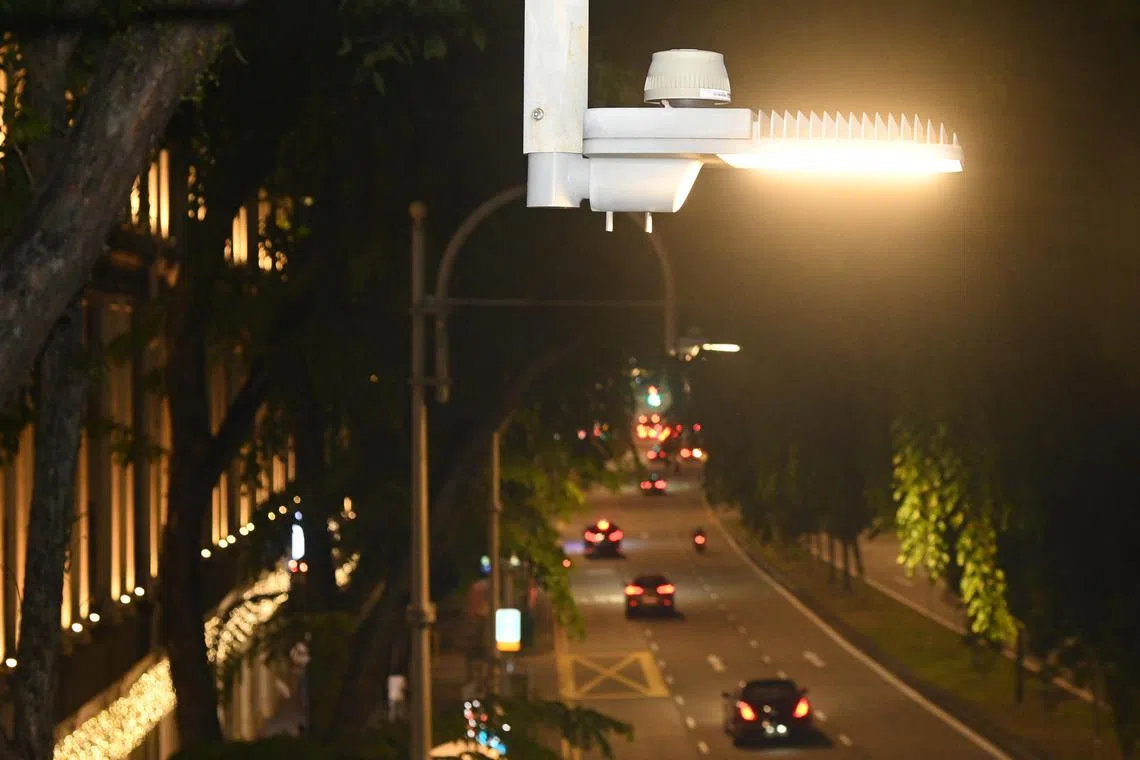
The core of this recognition is the iLamp platform, a modular unit that integrates solar power, battery storage, and AI-enabled edge computing. Unlike standard lighting systems that function as recurring operational expenses, these units operate as autonomous assets. Each pole packs up to 275 TOPS of computing power, allowing for real-time intelligence processing at the edge. This capability significantly reduces the need for constant, high-bandwidth video transmission by filtering data locally before alerts are sent to the network.
Anirudh Bhaskaran, Associate Director at Frost & Sullivan, noted that the platform effectively reverses the traditional infrastructure equation. By combining disparate technologies—lighting, security, and compute—into one unit, Conflow Power Group bypasses the silos typical of the security, municipal, and lighting industries. The company is currently negotiating with three major data center operators to deploy these units as a perimeter lattice, providing security and inference capacity without requiring traditional grid connections or substations.
This model offers a strategic advantage for developers facing pushback from local governments. By extending the same infrastructure used for private security into public street networks, Conflow creates a shared ecosystem. Municipalities gain access to smart-city services and green-powered lighting, while data center operators secure a stronger social license to operate. With over sixty municipal agreements in development, the firm is positioning its technology as a standard for future urban digital integration.
Comments (0)
No comments yet. Be the first!