
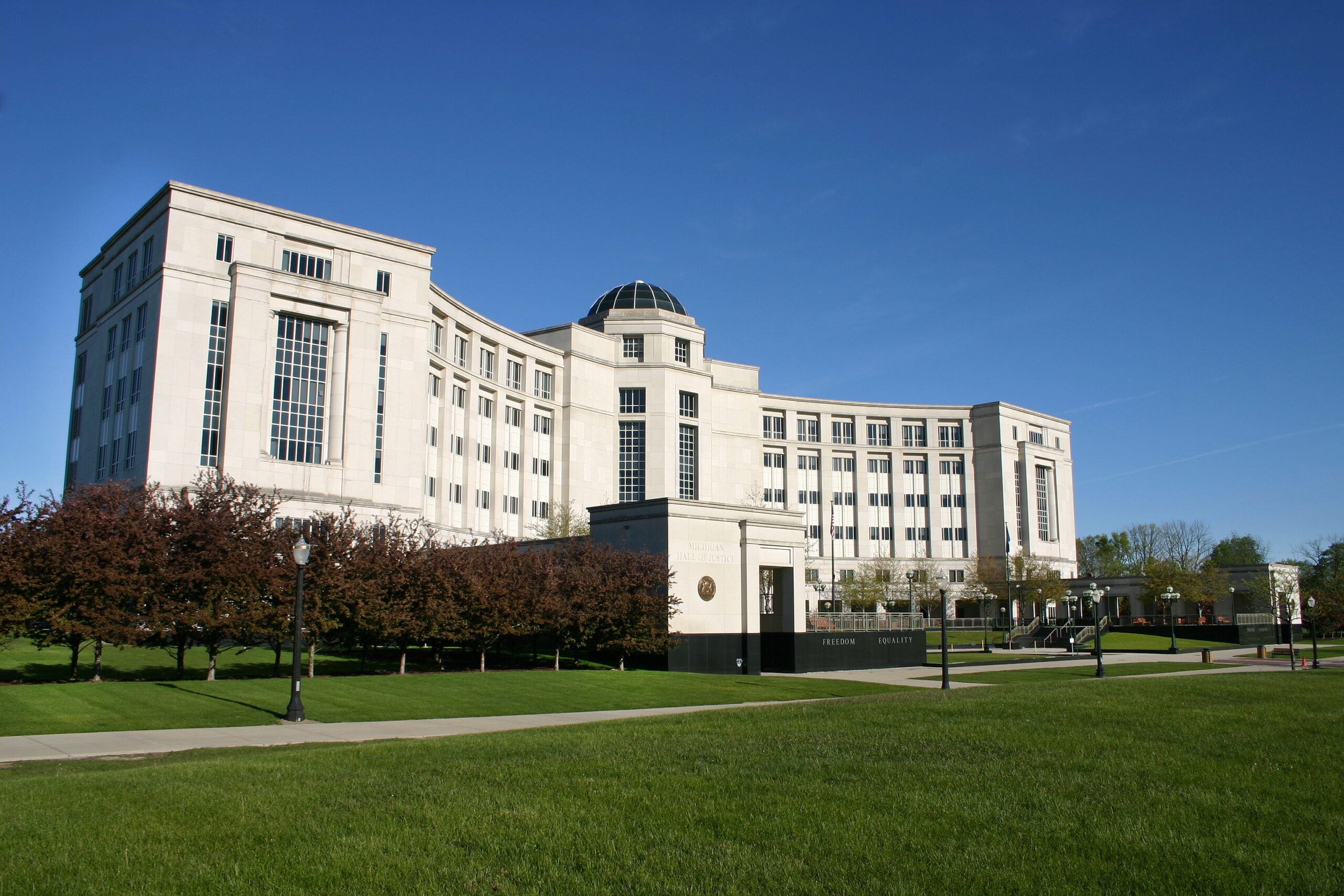
The court’s decision effectively kills the restrictive 2004 ruling in Waltz v. Wyse, which had previously shortened the window for families to file claims. Justices concluded that the earlier interpretation misread legislative intent, forcing grieving relatives to rush litigation while navigating personal loss. The case originated from the death of Maurice Ernest, who passed away after emergency providers allegedly failed to diagnose his condition.
While lower courts initially dismissed the estate’s lawsuit as untimely, the Supreme Court’s reversal confirms that wrongful death plaintiffs are entitled to the same tolling protections as surviving malpractice victims. Attorney Paul Matouka noted that the ruling ensures families are no longer forced to choose between immediate legal action and the grieving process. This shift in state law provides a broader, more equitable timeframe for estates to hold healthcare providers accountable for preventable mistakes.
Comments (0)
No comments yet. Be the first!